Sibelius's Symphony No. 2 uses two main thematic types: a three-note ascending/descending figure and a sustained note followed by a melisma or descending fifth interval.
Composition History
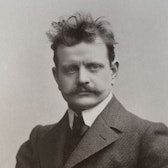
Jean Sibelius's Symphony No. 2 was inspired by a trip to Italy in 1901, funded by a grant secured by his admirer Baron Axel Carpelan.
Recording & Production
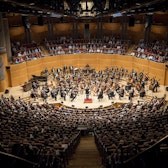
The Sibelius symphony on this album was recorded in June 2015 at the Cologne Philharmonie, while the Grieg pieces were recorded in September 2017 at Studio Stolberger Straße, Cologne.
Composition History
While in Italy, Sibelius initially conceived ideas for his Second Symphony based on the Don Juan theme and Dante's Divine Comedy.
Critical Reception
The premiere of Sibelius's Symphony No. 2 in Helsinki on March 8, 1902, was so successful that it had to be repeated three times to sold-out houses.
Composer's Artistic Vision
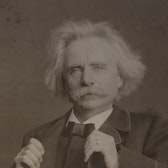
Edvard Grieg aimed to arrange Norwegian folk tunes for concert use, allowing them to merge with his individuality and become part of his art.
Performer Biography
Dmitrij Kitajenko, the conductor, is an honorary conductor of the Gürzenich Orchestra Cologne since 2009 and received the ICMA Lifetime Achievement Award in 2015.