The Symphony No. 6 is not explicitly in D minor, but rather based on the Dorian mode, contributing to its unique mystical beauty and atmosphere.
Critical Reception
Despite Sibelius's self-doubt, Tapiola is widely recognized as one of his finest achievements, with British composer Cecil Gray stating it alone would secure his place among great masters.
Composition History
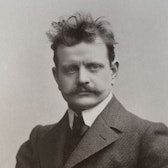
Jean Sibelius, the composer, began sketching themes for his Symphony No. 6 in the summer of 1914, initially using some for his Symphony No. 5.
Composition History
Sibelius initially considered his Symphony No. 6 to be a second violin concerto in the spring of 1915.
Performer Biography
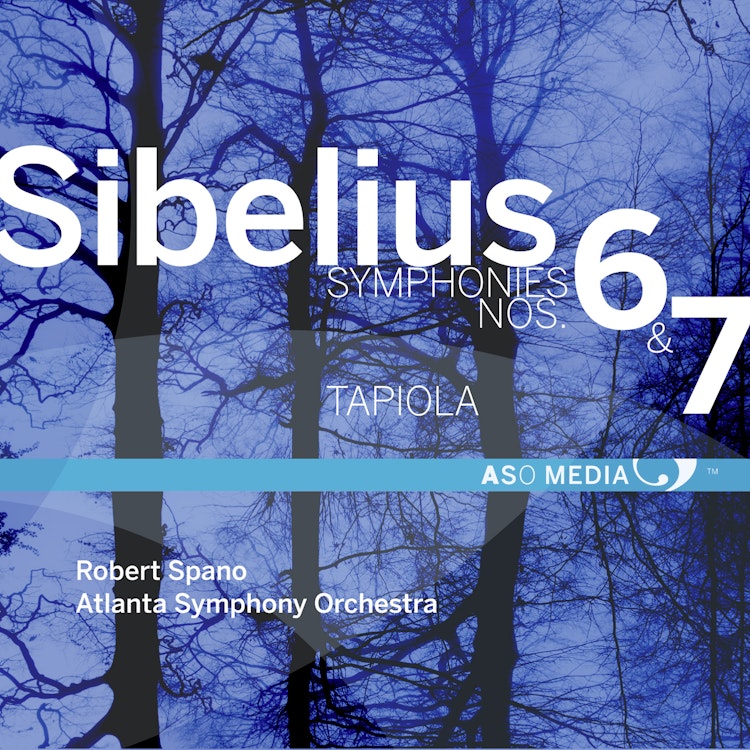
Robert Spano, the conductor on this album, is in his 13th season as Music Director of the Atlanta Symphony Orchestra and has garnered six Grammy Awards for his recordings.
Composer Biography
Jean Sibelius, the composer, experienced self-doubt during the creation of his tone poem Tapiola, complaining in his diary about the commission and his physical state.
Composer's Artistic Vision
In a 1918 letter, Sibelius described his Symphony No. 6 as "weighty and passionate. Somber with pastoral contrasts," though its final form differed from this characterization.
You might also enjoy...
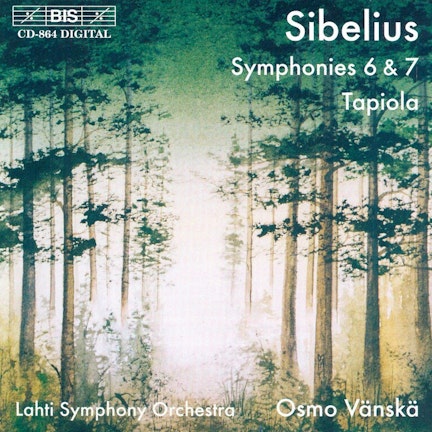
Sibelius : Symphonies 6, 7 & Tapiola
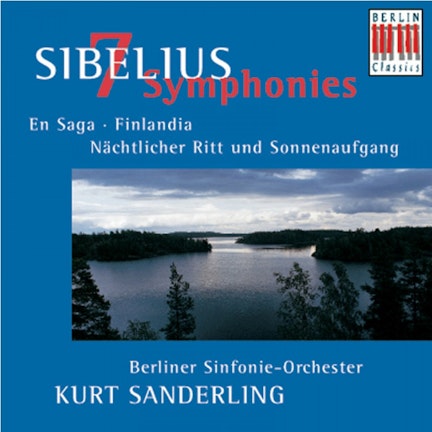
Sibelius: Symphonies Nos. 6 and 7 / Night Ride and Sunrise
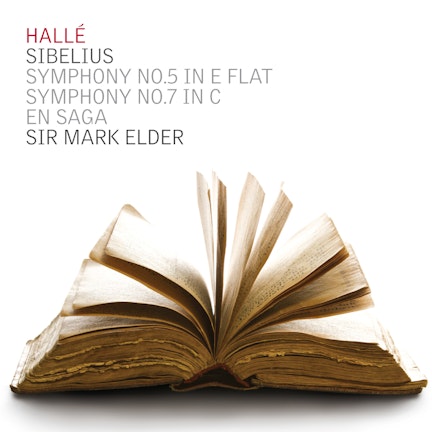
Sibelius: Symphonies Nos. 5, 7 & En Saga
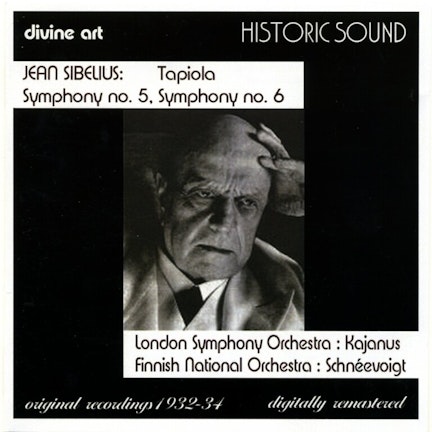
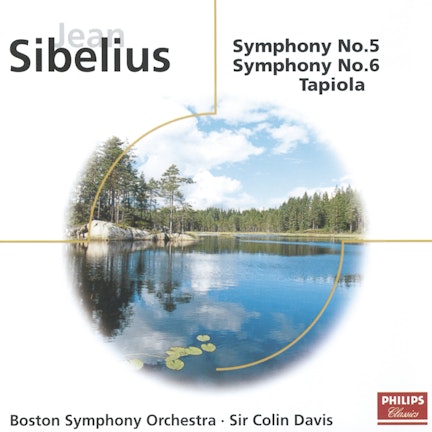
Sibelius: Symphonies No. 5 in E-Flat Major, Op. 82 & No. 6 in D Major, Op. 104; Tapiola, Op. 112
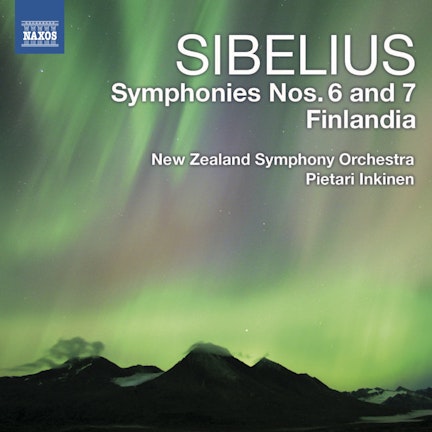
Sibelius: Symphonies Nos. 6 & 7 - Finlandia
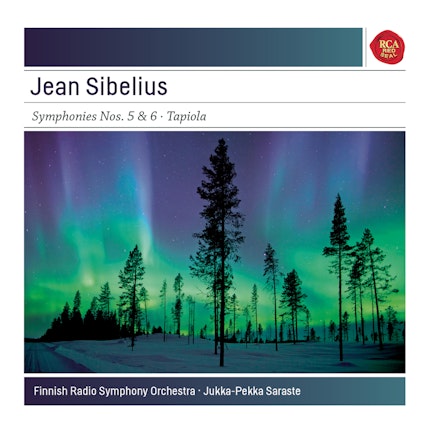
Sibelius, J.: Symphonies Nos. 5, 6 / Tapiola
Sibelius: Symphonies Nos.5 & 6/Tapiola
Sibelius: Symphonies Nos. 6 and 7 / Tapiola
Sibelius: Symphonies & Tone Poems
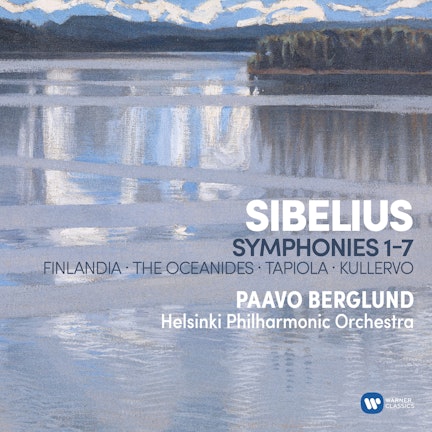
Sibelius: Symphonies nos. 1-7, En Saga, Finlandia & Night Ride and Sunrise
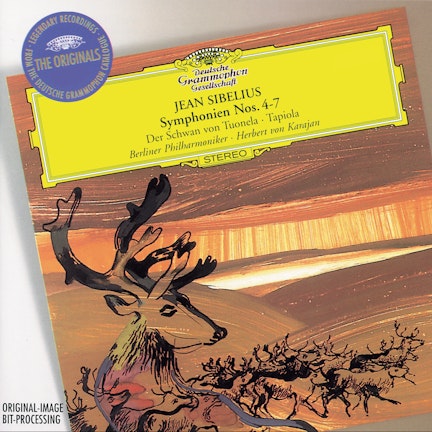
Sibelius: Symphonies Nos.4-7; The Swan of Tuonela; Tapiola
Sibelius : Symphonies Nos 1 - 7 & Orchestral Works