Sibelius: Symphony No. 7 / Kuolema: Incidental Music / Night-Ride and Sunrise
1/31/1987, 6 Tracks, 57:54
Featuring
Neeme Järvi
Göteborgs Symfoniker
Jean Sibelius
Did you know?
1/7
Composer's Artistic Vision
Sibelius considered his symphonies, particularly the Fourth, Fifth, Sixth, and Seventh, to be "professions of faith," more so than his other works.
Performer Biography
Neeme Järvi, the principal conductor of the Gothenburg Symphony Orchestra, won first prize at an international conducting competition in Rome in 1971, leading to invitations to conduct major orchestras worldwide.
Composition History
Sibelius first conceived his Seventh Symphony during a tragic period in Finland's history, amidst fighting between the Red Guards and White Protection Forces in Helsinki in December 1917.
Critical Reception
Sibelius's "Valse Triste" became a worldwide success, played everywhere, but it also "spoilt Sibelius's image among serious music lovers."
Cultural Impact
Despite some critical backlash, "Valse Triste" fascinated some of the era's greatest musicians, including the young Wilhelm Furtwängler, who included it in a conducting examination program alongside Beethoven and Wagner.
Performer Biography
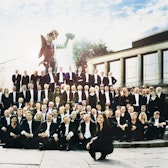
The Gothenburg Symphony Orchestra, founded in 1905, is one of Scandinavia's oldest orchestras and has hosted famous guest conductors such as Bruno Walter, Wilhelm Furtwängler, and Herbert von Karajan.
Compositional Technique
The Seventh Symphony, originally planned for three movements, was ultimately composed as a single-movement work, a significant change from Sibelius's initial design.
You might also enjoy...
Sibelius: Oceanides (The), Op. 73 / Symphony No. 4 in A Minor, Op. 63
Sibelius: Symphony No. 3, Scene with Cranes & Tapiola
Sibelius: Rondo of the Waves
Sibelius: Symphony No. 5 / Finlandia / Valse Triste
Sibelius: Symphony No. 5 / Finlandia / Valse Triste
Sibelius: Belshazzar's Feast & Other Orchestral Pieces
Orchestral Music (Finnish) - Klami, U. / Palmgren, S. / Kajanus, R. / Kuula, T. / Sibelius, J. (Pictures From Finland)
Esa-Pekka Salonen - A Nordic Festival
1812 & Other Orchestral Showpieces
Fête à la française
Ives: Orchestral Works, Vol. 2
Liszt, F.: Dante Symphony / A La Chapelle Sixtine / Hungarian Rhapsodies / Piano Concertos / Totentanz / Wanderer Fantasy