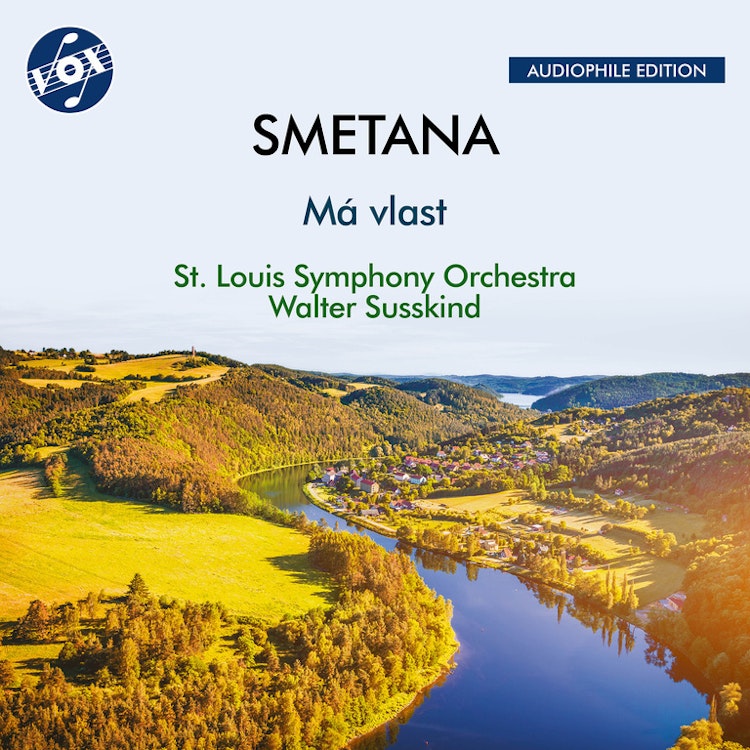
Walter Susskind, the conductor of this recording, was born in Prague and became assistant conductor at the Prague German Opera House at age 20.
Critical Reception
The complete Má vlast received an ecstatic reception at its first integral performance in 1882, with the audience giving Smetana unending applause after each part.
Composer's Artistic Vision
Smetana dedicated Má vlast to the city of Prague and aimed to celebrate various aspects of Czech life, including folklore, legend, national pride, and the land itself.
Compositional Technique
The Hussite hymn 'Ktož jsú boží bojovníci' ('Ye who are warriors of God') forms the melodic basis for the concluding sections of Má vlast, Tábor and Blaník.
Composer Biography
Bedřich Smetana, the composer of Má vlast, became completely deaf on October 20, 1874, at the age of 50, but continued to compose major works.
Compositional Technique
The main theme of Vltava, the second part of Má vlast, is based on a Swedish folk song, which Smetana likely knew from a play during his time in Sweden.
Composition History
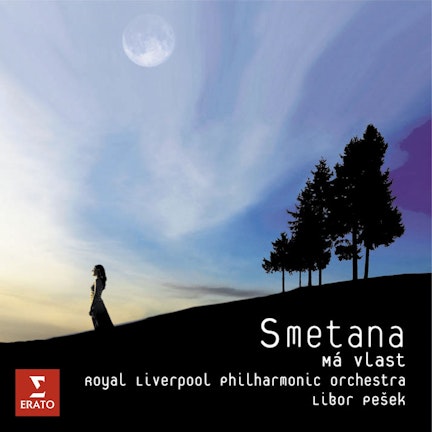
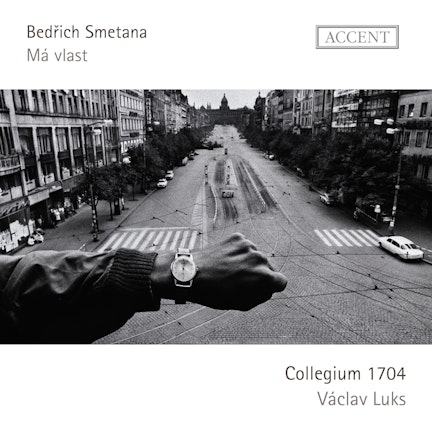
Smetana's Má vlast, a cycle of six symphonic poems, was composed during his deafness and is considered his greatest tonal edifice in honor of the Czech nation.