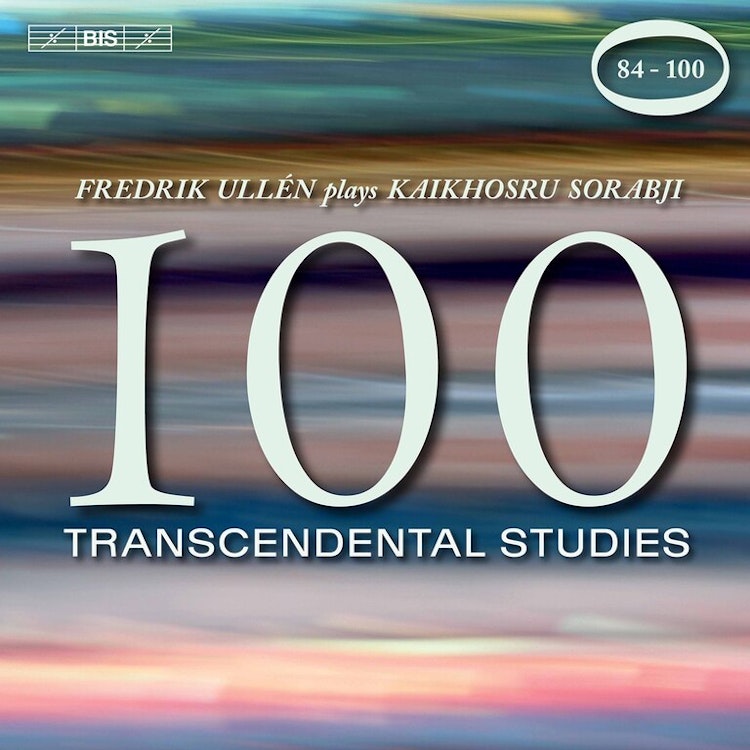
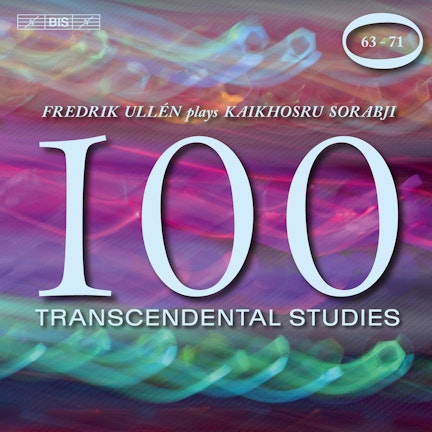
Sorabji's music experienced a reassessment starting in 1976, when pioneering pianist Yonty Solomon began performing his works, leading to widespread critical acclaim and over 50 CD releases.
Compositional Technique
The final two studies of the 100 Transcendental Studies are monumental pieces influenced by Baroque fantasia and fugue, culminating in a hugely expanded elaboration of J. S. Bach's Chromatic Fantasia and a five-subject fugue.
Performer Biography
Fredrik Ullén, the pianist on this recording, is a Swedish soloist known for performing complex and demanding piano works, including Ligeti's complete piano études and music by Sorabji.
Composer's Artistic Vision
Sorabji's music, which combines intellectual rigor, wild fantasy, and transcendental virtuosity, demands considerable concentration and stamina from both performers and listeners.
Compositional Technique
The 100 Transcendental Studies are Sorabji's second-longest work, with a total duration of around eight hours and twenty minutes, making it the largest collection of concert études in the known repertoire.
Composition History
Sorabji composed his 100 Transcendental Studies between 1940 and 1944, with the manuscript spanning 456 pages.
Composer Biography
Kaikhosru Shapurji Sorabji, the composer, was born in England in 1892 to a Zoroastrian civil engineer father and an English mother, despite earlier beliefs that his mother was Sicilian/Spanish.
You might also enjoy...
Ligeti: Études pour piano
Koharik Gazarossian: 24 Etudes
György Ligeti – Études pour Piano
Sorabji: 100 Transcendental Studies, Nos. 44-62
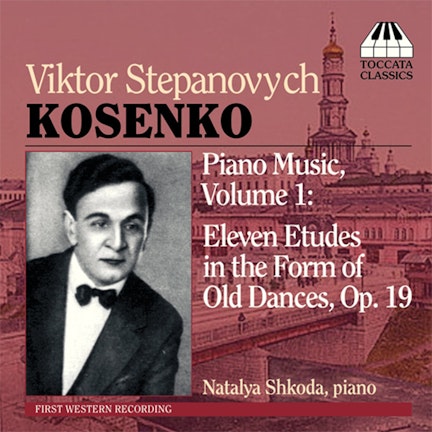
Kosenko: Piano Music, Vol. 1 - 11 Etudes in the Form of Old Dances
H. Leslie Adams: Piano Etudes, Part II
Hélène de Montgeroult: Études
Sorabji: 100 Transcendental Studies, Nos. 63-71
Ligeti: The 18 Etudes for Solo Piano
Glass: Études
Glass: Complete Études for Piano
Erwin Schulhoff: Hot Music / Suite Dansante En Jazz / +