Many of Sorabji's piano works are written on three or more staves, employing complex textures and rhythmic combinations.
Critical Reception
Early critics often dismissed Sorabji's music as incoherent due to its extreme difficulty, but opinions began changing by the 1980s.
Interpretation
Pianist Michael Habermann's commitment to Sorabji's music is so profound that he once practiced a single measure for a week to perfect it.
Composer Biography
Kaikhosru Shapurji Sorabji, the composer, was born in England in 1892 to an English singer mother and a Parsi father from Bombay.
Performer Biography
Michael Habermann, the pianist on this album, received permission from Sorabji in 1975 to perform and record his music, which Sorabji had previously withheld from the world.
Composer's Artistic Vision
Sorabji's music is characterized by its pursuit of extremes, including dazzling technical difficulties and works of mammoth dimensions.
Cultural Impact
Sorabji's Opus Clavicembalisticum was listed for years in the Guinness Book of World Records as the world's longest non-repetitive piano work.
You might also enjoy...
Bax: Piano Music, Vol. 3
Bax: Piano Works, Vol. 3
KETELBEY: Piano Music, Vol. 2
Ketelbey: Piano Music, Vol. 2
Howells: Piano Music, Vol. 2
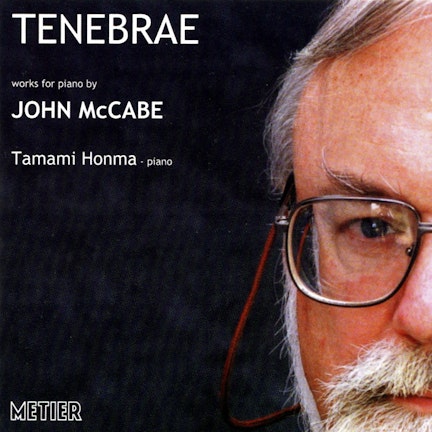
McCabe, J.: Tenebrae
Peter Pettinger plays Elgar Piano Works
Rags, Blues and Parodies
Britten: Holiday Diary, Op. 5 & Other Pieces for One and Two Pianos
Reformation: Keyboard works by William Byrd, Orlando Gibbons, John Bull & Jan Pieterszoon Sweelinck