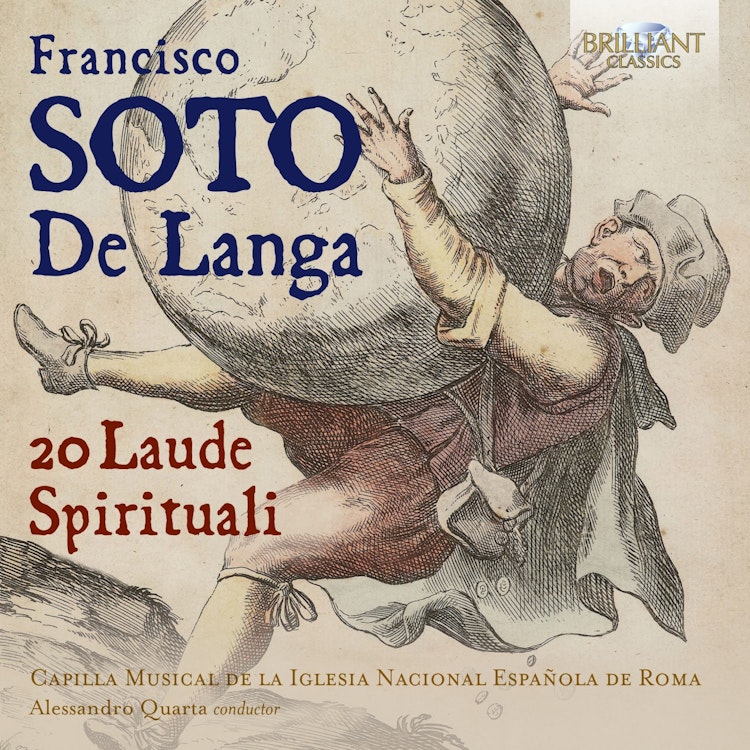
Capilla Musical de la Iglesia Nacional Espanola de Roma
Francisco Soto de Langa
Did you know?
1/7
Composer Biography
Francisco Soto de Langa served in the Sistine Chapel Choir for 49 years, from 1562 to 1611, and was maestro di cappella for the last five of those years.
Recording & Production
This album was recorded to mark the 400th anniversary of Francisco Soto de Langa's death, paying homage to his life and work.
Historical Context
The lauda spirituale was the only musical form permitted by Girolamo Savonarola, a Dominican friar who briefly led the democratic republic of Florence, due to its power to communicate a religious message.
Composer Biography
Francisco Soto de Langa, born in 1534 in Spain, began his musical training as a boy chorister at the Cathedral of Burgo de Osma before moving to Rome.
Composer's Artistic Vision
Francisco Soto de Langa concentrated on writing and editing popular pieces for the pastoral activities of the Oratorian priests, rather than the refined counterpoint of court music.
Historical Context
During the Counter Reformation, the lauda spirituale was promoted by the Council of Trent as part of its reform of sacred music, emphasizing clear intelligibility of the sung text.
Composition History
The lauda spirituale, a vernacular and originally monophonic sacred song, originated in the popular devotional practices of the Mediterranean region during the Late Middle Ages.
You might also enjoy...
Diversity
Tango - Argentinian Tangos arranged for String Quartet
Adámek: Sinuous Voices
Mary Finsterer: Altered States
Mozart L'Egyptien
Mozart L'Egyptien
Symphonic Steps
Catalan Wind Music
El cant de la Sibilla: Sacred Music from medieval Catalunya