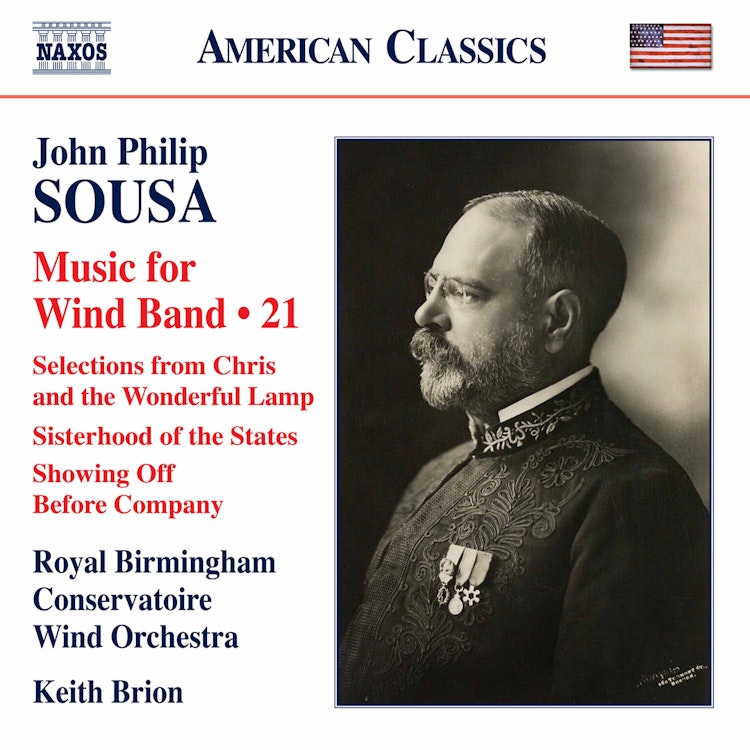
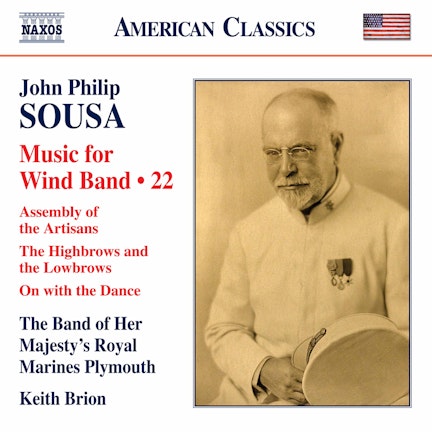
John Philip Sousa, known as 'The March King,' became conductor of the United States Marine Band at age 26 and later formed his own band in 1892, achieving world acclaim.
Cultural Impact
Sousa's robust, patriotic operettas of the 1890s helped introduce a truly native musical attitude in American theater.
Historical Context
The Sousa Band's unprecedented popularity occurred when few American orchestras existed, making band concerts the most important aspect of US musical life from the Civil War to about 1920.
Performer Biography
Keith Brion, the conductor on this album, leads his own New Sousa Band and is a specialist in Sousa's period style, having published numerous performing editions of his music.
Recording & Production
This album is part of a Naxos Sousa series, with program notes freely adapted from Paul E. Beirley's book, 'The Works of John Philip Sousa'.
Compositional Technique
John Philip Sousa modified the traditional brass band by decreasing brass and percussion instruments, increasing woodwinds, and adding a harp, allowing for programs almost as varied as a symphony orchestra.
Composer's Artistic Vision
Sousa believed a march 'should make a man with a wooden leg step out and dance,' and his compositions standardized the march form as it is known today.
You might also enjoy...
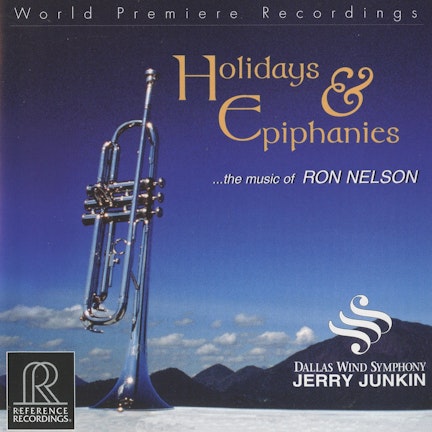
Ron Nelson: Holidays & Epiphanies
Music City
Berlioz, Chopin & Others: Orchestral Works
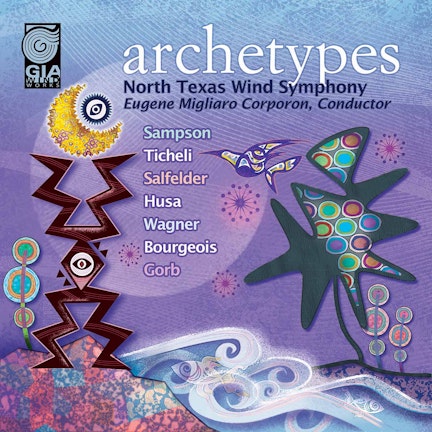
Archetypes
John Williams at the Movies
Sousa: Music for Wind Band, Vol. 22
Wind Orchestra Masterpiece Selection
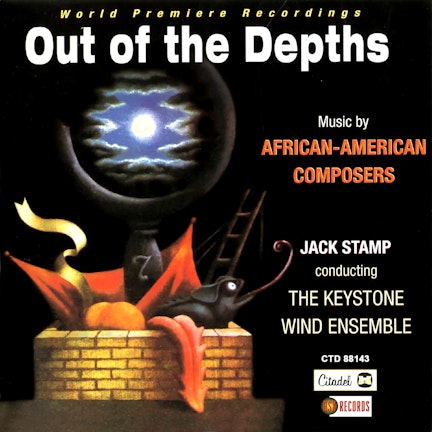
Out Of The Depths: Music by African American Composers
The Planets - Appalachian Spring
Trittico
Wind Tracks
Gilson: Poème symphonique en forme d'ouverture - Bernier: Epitaphe