While at Trinity College, Cambridge, Sir Charles Villiers Stanford promoted Easter Term recitals and worked to improve the choir by increasing boy choristers and appointing undergraduate choral scholars.
Composer's Artistic Vision
The Magnificat for eight-part chorus in B flat, Op 164, by Sir Charles Villiers Stanford, pays tribute to the florid intricacy and counterpoint of Bach, whose motets Stanford knew intimately.
Composition History
Sir Charles Villiers Stanford's Magnificat for eight-part chorus in B flat, Op 164, was composed as a symbol of affection and remorse after a rift with his friend Parry, who died before its publication.
Performer Biography
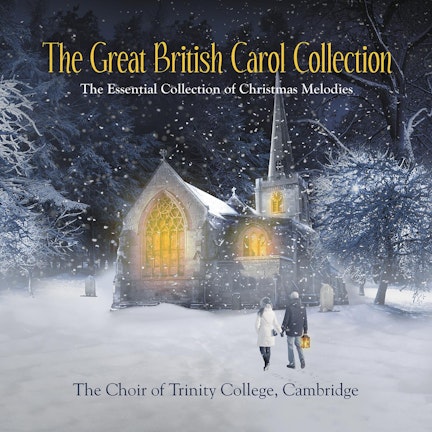
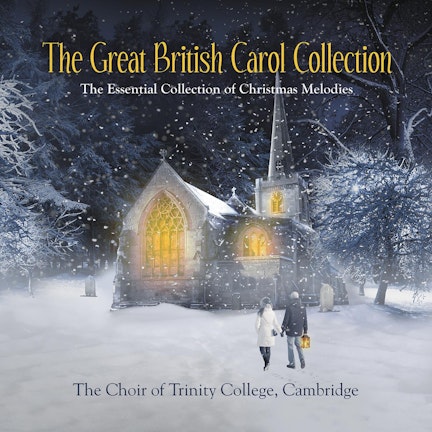
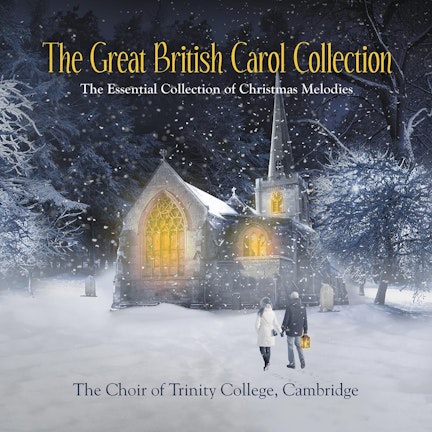
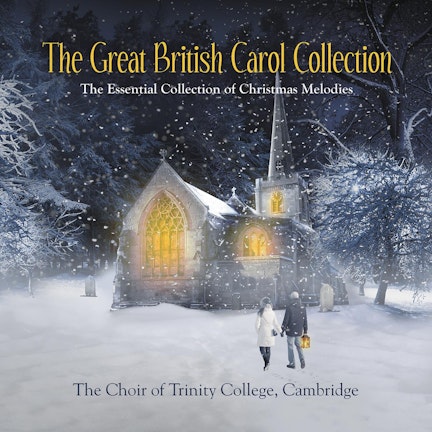
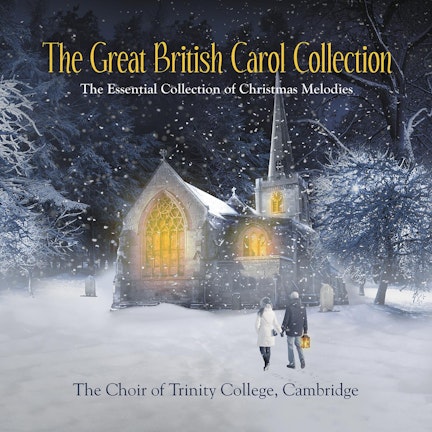
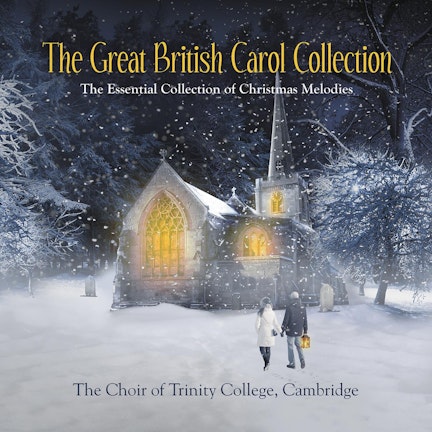
The Choir of Trinity College Cambridge, which includes around thirty Choral Scholars and two Organ Scholars, was voted the fifth best choir in the world by Gramophone magazine.
Instruments
The Willis organ of Hereford Cathedral, built by Henry 'Father' Willis in 1892, has four manuals and 67 stops, with modifications and restorations made over the years.
Composition History
The College Seniority at Trinity College, Cambridge, recognized Sir Charles Villiers Stanford's talent and granted him time to study in Leipzig and Berlin between 1874 and 1876.
Composer Biography
Sir Charles Villiers Stanford, the composer, moved to Trinity College, Cambridge, in 1873 to become organist, inheriting a renovated organ and an expanding choir.
You might also enjoy...
Ding Dong Merrily on High Traditional Christmas Carols Collection
Christmas Carols
O Come All Ye Faithful Traditional Christmas Carols Collection
The Holly and the Ivy Traditional Christmas Carols Collection
Silent Night Traditional Christmas Carols Collection
The First Nowell Traditional Christmas Carols Collection
The Coventry Carol Traditional Christmas Carols Collection
Kids Christmas Carols
The Three Kings Traditional Christmas Carols Collection
More Choral Favourites from King's
School Christmas Carols
Once in Royal David's City Traditional Christmas Carols Collection