Stimmung was the first major Western composition to be based entirely on the production of vocal harmonics, which are high pitches shadowing a main note.
Interpretation
The word 'Stimmung' in German literally means 'tuning' but can also signify 'being in tune with' or atmosphere, and 'Die Stimme' means voice.
Compositional Technique
In 29 sections of Stimmung, 'magic names' of gods and goddesses from various cultures, such as Aztec, aboriginal, and Ancient Greek, are called out.
Composition History
Stimmung was commissioned by the City of Cologne for the Collegium Vocale, a vocal ensemble at the Rheinische Musikschule.
Composition History
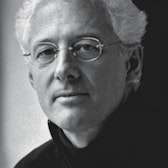
Karlheinz Stockhausen composed Stimmung in February and March 1968 in Madison, Connecticut (USA), and dedicated it to the painter Mary Bauermeister.
Composer's Artistic Vision
Stockhausen's time in Mexico, walking through ruins and experiencing Mayan, Toltec, Zapotec, and Aztec cultures, influenced the general feeling and 'magic names' in Stimmung.
Compositional Technique
Stimmung is divided into 51 sections, each introducing a new overtone melody or 'model' that is repeated several times.
You might also enjoy...
José Marín, 1628-1699: Tonos Humanos
Del Tredici: Final Alice
Rimsky-Korsakov: Scheherazade, A Tale
Ich saz ûf einem steine (Arr. by Marc Lewon)
Greene: Spenser's Amoretti
Cooke: A Change is Gonna Come (Version for Voice, Solo Violin and Piano)
Mein traut gesell: Secular Songs of the Late Minnesang
Grosz: Afrika Songs
Ensaladas
Roxanna Panufnik: Beastly Tales (words by Vikram Seth)