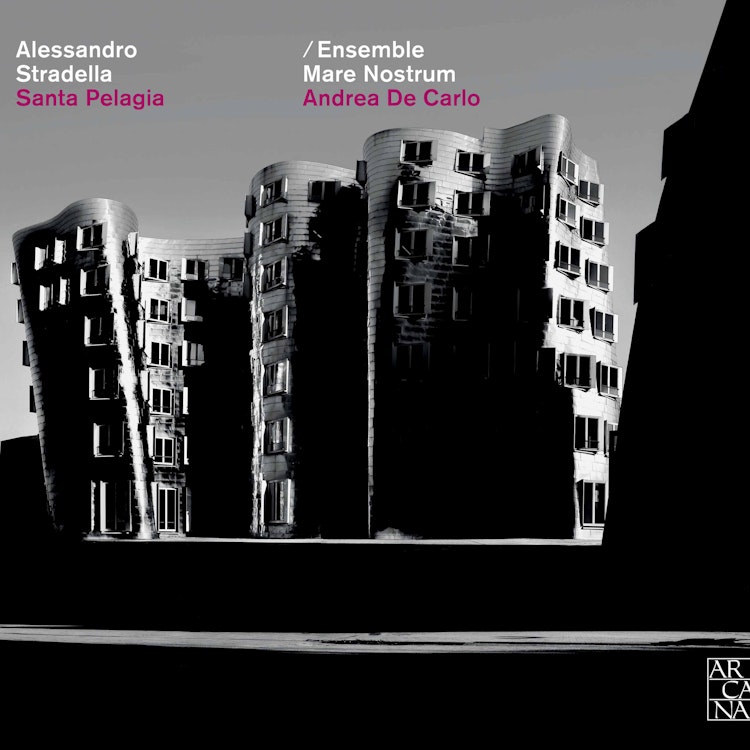
Alessandro Stradella's oratorio Santa Pelagia is preserved in a single anonymous manuscript score in Modena, but a printed libretto from 1688 confirms his authorship.
Composer's Artistic Vision
The libretto for Santa Pelagia features abstract personifications like Religione (Religion) and Mondo (World) alongside the main characters, reflecting a spiritual drama of good versus evil.
Compositional Technique
Compared to Stradella's other oratorios, Santa Pelagia has fewer ensemble pieces and a greater number of arias, with half of the twenty-six arias sung by Pelagia herself.
Interpretation
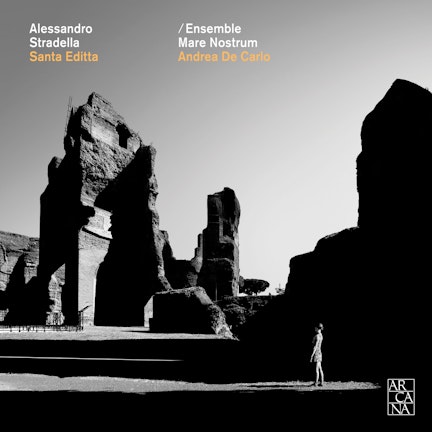
The conductor Andrea De Carlo chose to remove non-original instrumental parts from the score to present Stradella's music as close as possible to its original idiom and spirit.
Historical Context
The story of Saint Pelagia, a dancer and prostitute who converted to Christianity, originated in 5th-century Greek hagiography and was later translated into Latin.
Composition History
The oratorio Santa Pelagia was likely composed before 1677, as the surviving score appears to be the work of a Roman copyist, and Stradella left Rome that year.
Recording & Production
This recording was made in the Cathedral of Santa Maria Assunta in Nepi, Italy, as part of the fourth 'International Alessandro Stradella Festival'.