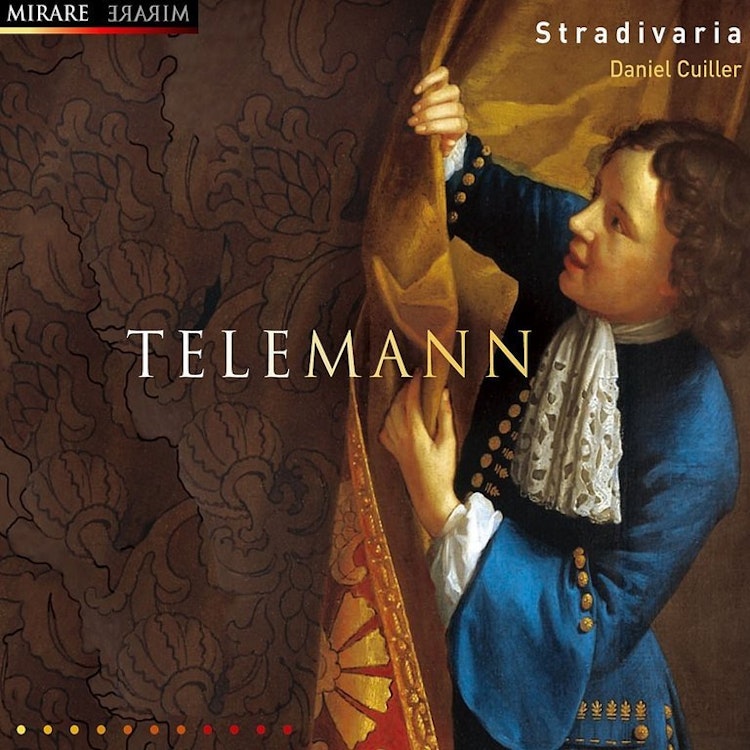
This recording was made at the Royal Abbey of Fontevraud, a former monastic city and royal necropolis, known for the exceptional acoustic qualities of its Refectory and High-Dormitory.
Composition History
Telemann's "Musique de Table" was a significant commercial venture, with 206 subscribers, including George Frideric Handel, who paid eight thalers in advance.
Compositional Technique
Telemann's compositions are characterized by variety and flexibility, with each piece inventing its own framework rather than adhering to pre-existing molds.
Composition History
In 1733, Telemann published his "Musique de Table" (Table Music), which he considered his masterpiece, as a large collection engraved by himself.
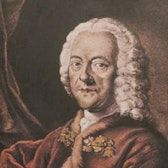
Composer Biography
Telemann admitted that his numerous concertos, though a pleasant distraction to compose, "never came from my heart."
Interpretation
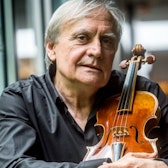
Stradivaria, the ensemble on this recording, aims to redefine the Baroque aesthetic, which they believe was obscured by the Romantic era, by focusing on rhythmic vitality and expressive phrasing.
Composer's Artistic Vision
Telemann aimed for his music to be immediately appealing to listeners, a characteristic evident in the quality of his instrumental writing.