Strauss: Also sprach Zarathustra, Op. 30, TrV 176 (Live)
2/7/2020, 9 Tracks, 34:45
Featuring
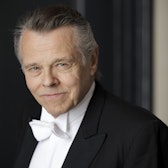
Mariss Jansons
Symphonieorchester des Bayerischen Rundfunks
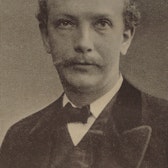
Richard Strauss
Did you know?
1/7
Compositional Technique
In Also sprach Zarathustra, Richard Strauss uses C major to symbolize nature and B major, a key with five sharps, to characterize human beings, highlighting their opposition.
Performer Biography
Mariss Jansons, the conductor on this album, was born in Riga in 1943 and studied violin, piano, and conducting at the Leningrad Conservatory.
Compositional Technique
The opening of Also sprach Zarathustra, depicting a sunrise, features a deep contra-octave C played by organ, contrabassoon, double-bass, and bass drum, so low it's felt more as vibration than sound.
Composition History
Richard Strauss's tone poem Also sprach Zarathustra was inspired by Friedrich Nietzsche's philosophical text of the same name, which Strauss read while recovering from pneumonia.
Cultural Impact
The opening of Strauss's Also sprach Zarathustra, a stroke of genius, has been widely adapted in film music and advertisements.
Composer's Artistic Vision
Richard Strauss's tone poems, including Also sprach Zarathustra, often revolve around the theme of self-actualisation and protagonists asserting themselves against hostile forces.
Performer Biography
The Symphonieorchester des Bayerischen Rundfunks, featured on this recording, was listed among the ten best orchestras in the world by Gramophone magazine in 2008.
You might also enjoy...
R. Strauss: Eine Alpensinfonie, Op. 64, TrV 233
Strauss: Till Eulenspiegel; Ein Heldenleben
Strauss, R.: Alpine Symphony
Don Quixote, Op. 35: Fantastic Variations on a Theme of Knightly Character
Strauss, R.: Ein Heldenleben, Op.40; Tod und Verklärung
Richard Strauss: A Hero's Life
Strauss: Ein Heldenleben, Op. 40
Strauss: Also sprach Zarathustra, Op. 30
Richard Strauss: Don Juan / Macbeth / Also sprach Zarathustra
Strauss, R.: Ein Heldenleben, Op.40; Don Juan, Op.20