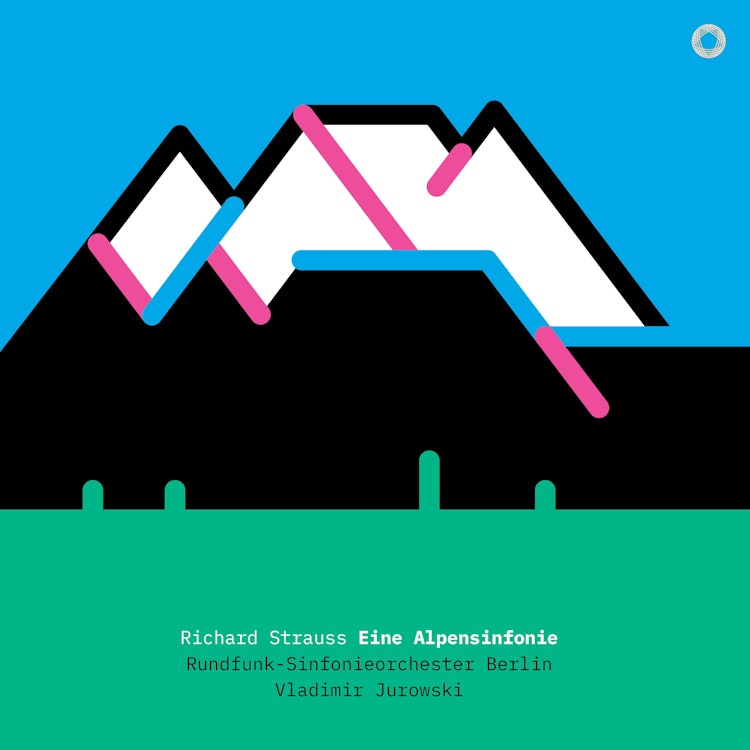
Strauss: Eine Alpensinfonie, Op. 64, TrV 233 (Live)
8/13/2021, 22 Tracks, 48:55
Gramophone Editor's Choice
Featuring
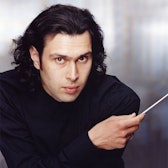
Vladimir Jurowski
Rundfunk-Sinfonieorchester Berlin
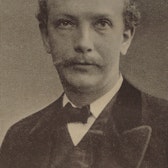
Richard Strauss
Did you know?
1/7
Recording & Production
This album was recorded live at the Konzerthaus Berlin on February 22 and 24, 2019, as a co-production with Deutschlandfunk Kultur.
Compositional Technique
The Alpine Symphony is a highly virtuosic orchestral piece, calling for a wind and thunder machine, herd bells, celesta, organ, a Heckelphone, and at least 125 musicians.
Critical Reception
Some musicologists interpreted the lengthy compositional process of the Alpine Symphony as a sign of artistic weakness, arguing it lacked a "truly meaningful core musical idea."
Composer's Artistic Vision
Strauss initially considered naming the Alpine Symphony "The Antichrist" after Nietzsche's book, stating it represented "moral purification through one's own strength, liberation through work, and worship of eternal, magnificent nature."
Composition History
Richard Strauss's Alpine Symphony was inspired by a mountain hike in 1879 where the then 15-year-old Strauss was caught in a thunderstorm on the descent.
Composer Biography
Richard Strauss, who lived part of the year in Garmisch-Partenkirchen, Upper Bavaria, could see Germany's highest mountain, the Zugspitze, from his house, which likely influenced the Alpine Symphony.
Compositional Technique
The Alpine Symphony includes musical allusions to other composers, such as Wagner's "Feuerzauber" from Die Walküre, Mahler's Sixth Symphony, and Bruch's violin concerto.
You might also enjoy...
Strauss: Also sprach Zarathustra, Op. 30
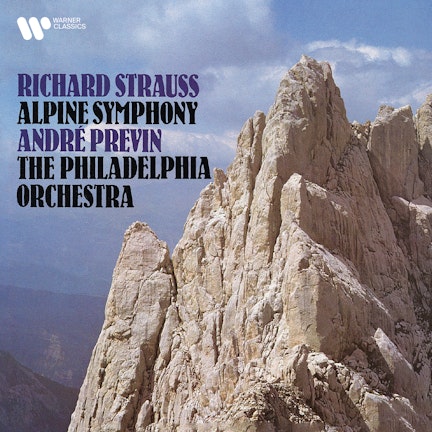
Strauss: Alpine Symphony, Op. 64
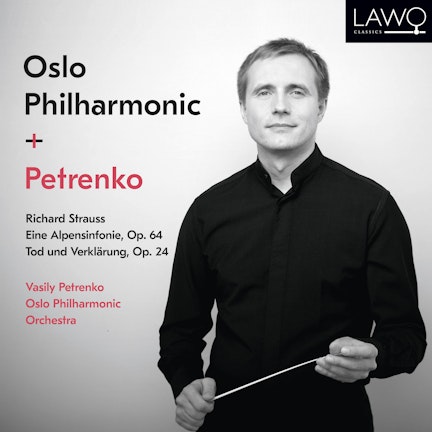
Richard Strauss: Eine Alpensinfonie, Op. 64 / Tod und Verklärung, Op. 24
Live In Berlin 2012
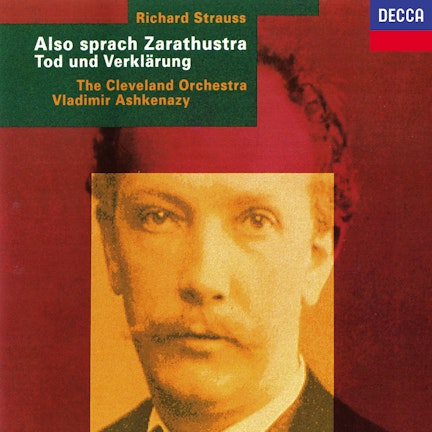
Richard Strauss: Also sprach Zarathustra; Tod und Verklärung
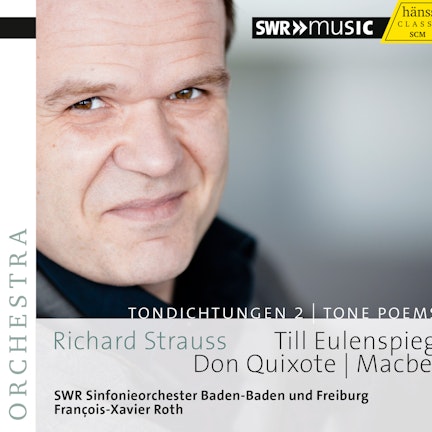
Strauss, R.: Symphonic Poems, Vol. 2
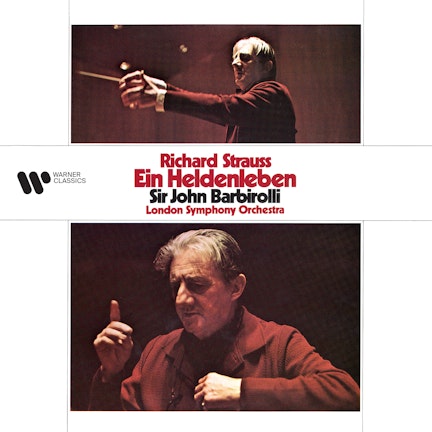
Richard Strauss: Ein Heldenleben; Tod und Verklärung
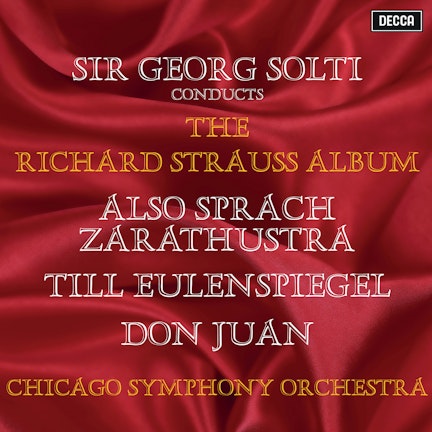
Richard Strauss: Also sprach Zarathustra; Till Eulenspiegels lustige Streiche; Don Juan
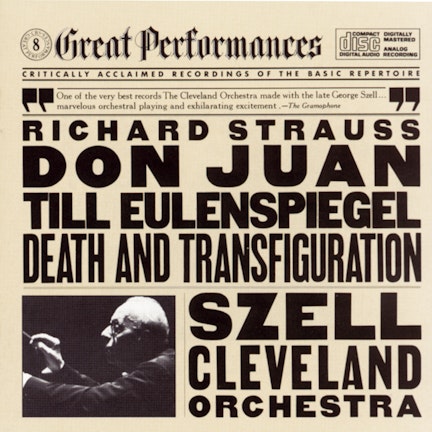
Strauss: Til Eulenspiegel's Merry Pranks, Op. 28, Don Juan, Op. 20, and Death and Transfiguration, Op. 24
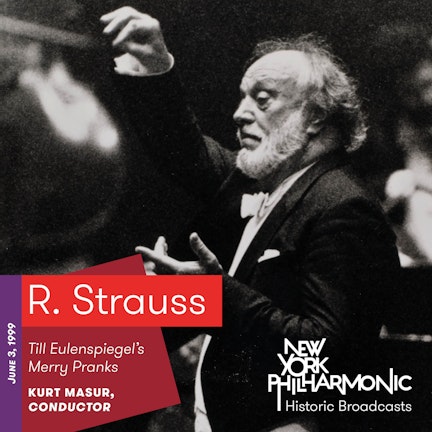
R. Strauss: Till Eulenspiegel's Merry Pranks (Recorded 1999)