Egon Wellesz, a student of Arnold Schoenberg, was a highly successful composer and musicologist before 1938, but his career was abruptly ended when he was forced to flee Austria as a Jew, monarchist, and composer of "degenerate music."
Composer's Artistic Vision
Alexander Zemlinsky's "Symphonische Gesänge" op. 20, a cycle of seven songs for baritone and large orchestra, is based on a 1929 publication titled "Africa singt," featuring texts by Black American poets of the Harlem Renaissance.
Composer Biography
Gustav Mahler's "Liebst du um Schönheit" was originally a love gift to his wife, Alma, and not initially part of the other four Rückert songs.
Composer Biography
Hugo Wolf's orchestral versions of his songs were published posthumously, some as late as 1937, without his involvement after he was committed to a mental institution.
Compositional Technique
Some themes from Mahler's "Lieder eines fahrenden Gesellen" appear in his First Symphony, and echoes of the song cycle can also be heard in his Second and Fourth Symphonies.
Composer's Artistic Vision
Ernest Bloch, who once worked in his father's clock business, declared in a 1917 manifesto: "I am a Jew, and I want to write Jewish music, not for its own sake, but rather because I am sure that that is the only way that I can write music of vitality and meaning."
Composition History
Mahler's "Lieder eines fahrenden Gesellen" uses texts written by the composer himself, inspired by his feelings for a soprano named Johanna Richter at the Kassel Theatre.
You might also enjoy...
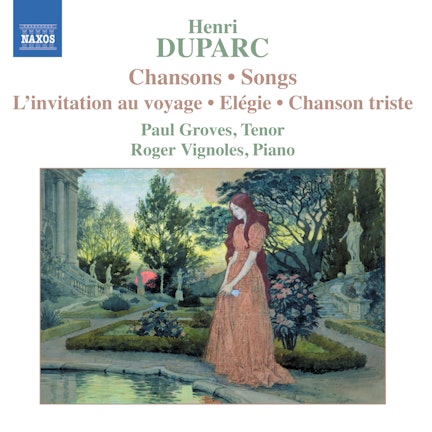
Duparc: Songs
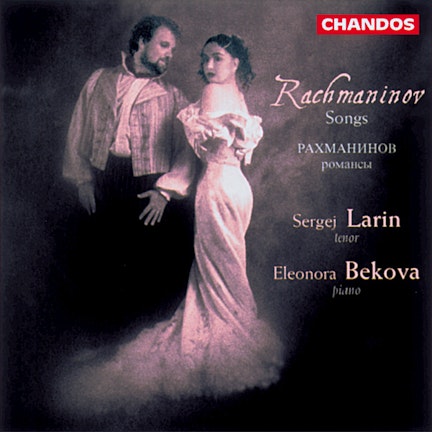
Rachmaninov: Songs
Brahms: Lieder
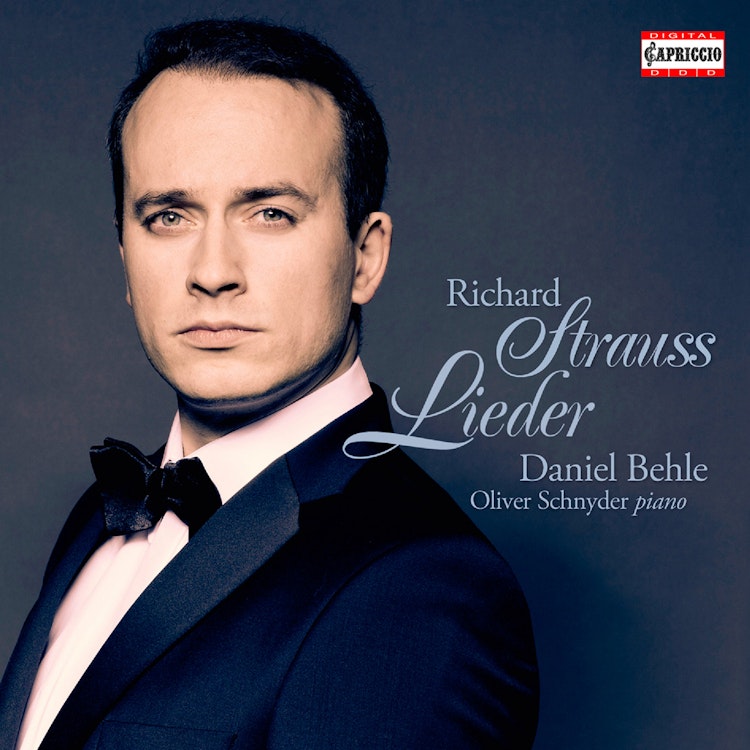
Strauss: Lieder
Schumann, Duparc, Martin & Schubert: Vocal Works
Ne point passer
When Yesterday We Met: Songs by Tchaikovsky and Rachmaninoff