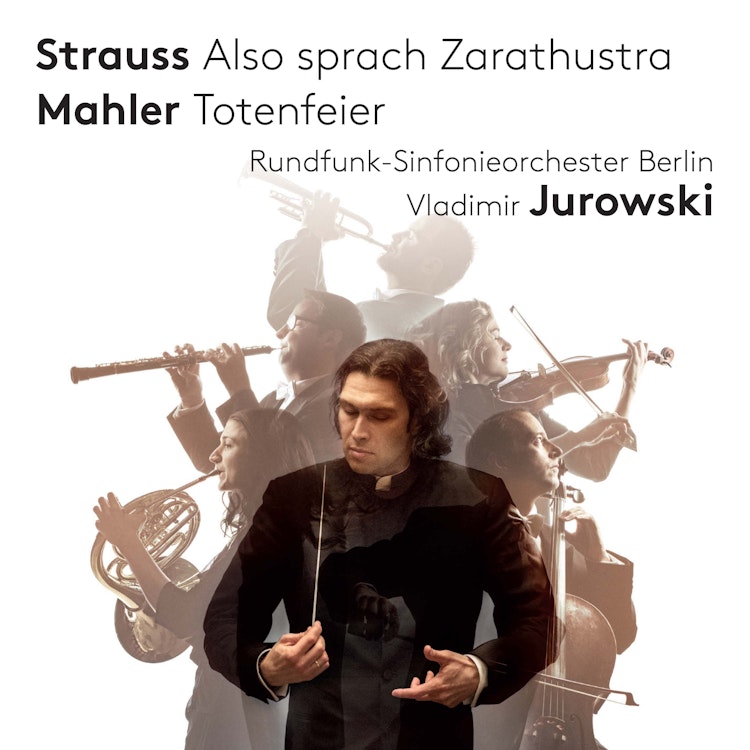
Gustav Mahler's Totenfeier was originally conceived as the first movement of his Symphony No. 2, but personal misfortunes and a creative crisis led him to present it as a separate symphonic poem.
Compositional Technique
In Also sprach Zarathustra, Richard Strauss focused on the interaction between the two most distant keys, C major (representing nature) and B major (representing man's thinking and feeling).
Performer Biography
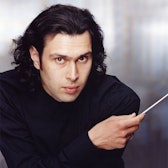
Vladimir Jurowski, the conductor on this album, became Chief Conductor and Artistic Director of the Berlin Radio Symphony Orchestra (RSB) in September 2017.
Recording & Production
The idea for this recording of Richard Strauss's Also sprach Zarathustra came to conductor Vladimir Jurowski after hearing a previous recording of Alfred Schnittke's Third Symphony.
Composition History
The Symphonic Prelude for Orchestra, attributed to Gustav Mahler on this recording, is subject to musicological debate, with evidence suggesting it was most likely composed by Anton Bruckner.
Composer's Artistic Vision
Richard Strauss stated he did not intend to write philosophical music for Also sprach Zarathustra, but rather to convey the evolution of the human race up to Nietzsche's idea of the Übermensch.
Critical Reception
When Gustav Mahler played Totenfeier for conductor Hans von Bülow, von Bülow reacted extremely, declaring, 'If that is still considered music, then I do not understand music at all.'
You might also enjoy...
Čiurlionis: The Sea, In the Forest & Kęstutis
Novák: In the Tatra Mountains, Lady Godiva & Eternal Longing
Berwald: Sinfonie sérieuse - Overtures - Tone poems
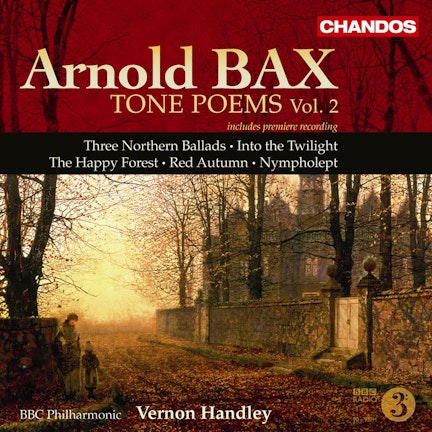
Bax: Tone Poems, Vol. 2 - Northern Ballads Nos. 1-3 / Into the Twilight / the Happy Forest / Red Autumn / Nympholept
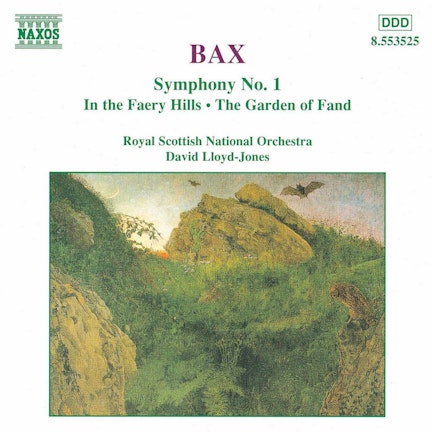
Bax: Tone Poems, Vol. 1 - In the Faery Hills / November Woods / the Garden of Fand / Sinfonietta
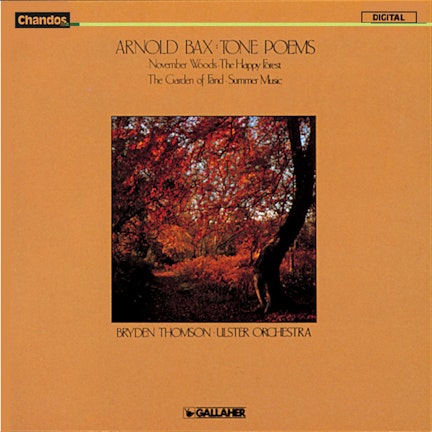
Bax: November Woods, The Happy Forest, The Garden of Fand & Summer Music