Orchestra dell'Accademia Nazionale di Santa Cecilia
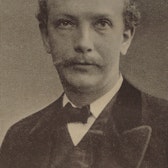
Richard Strauss
Did you know?
1/7
Composer's Artistic Vision
Richard Strauss stated that he composed "Ein Heldenleben" in E-flat with many horns, like Beethoven's 'Eroica' Symphony, to fulfill a need for heroic music.
Composition History
Richard Strauss composed "Ein Heldenleben" in the summer of 1898, completing it after he began his post as Imperial Kapellmeister in Berlin.
Compositional Technique
In "The Hero's Works of Peace" section of "Ein Heldenleben," Strauss quotes from many of his previous tone poems, including "Don Juan," "Death and Transfiguration," "Till Eulenspiegel," and "Also Sprach Zarathustra."
Compositional Technique
The "Burleske" for piano and orchestra, originally titled "Scherzo," is a parody of Brahms's orchestral style and the overly virtuosic piano writing of its time.
Notable Performances
Although "Ein Heldenleben" premiered in Frankfurt in March 1899, it was dedicated to Willem Mengelberg and the Concertgebouw Orchestra of Amsterdam, where it was first performed in October 1899.
Composer Biography
Richard Strauss, born in 1864, lived through tumultuous periods of European civilization, including both World Wars, and cultivated relationships with people at the center of power.
Critical Reception
The "Burleske" was rejected by Strauss's mentor, conductor and pianist Hans von Bülow, who found it unnecessarily difficult and likely offended by its parodic nature, yet it later found a place in the repertoire.
You might also enjoy...
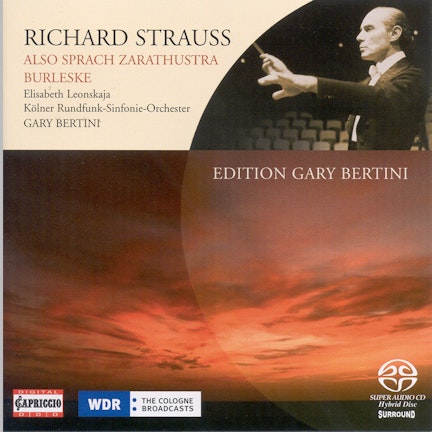
Strauss, R.: Also Sprach Zarathustra / Burleske
Dvorak: Piano Concert - Cello Concerto
Kabalevsky: Piano Concerto No. 3 / Rimsky-Korsakov: Piano Concerto
Warsaw Concerto
Brahms: Piano Concerto No. 2, Op. 83
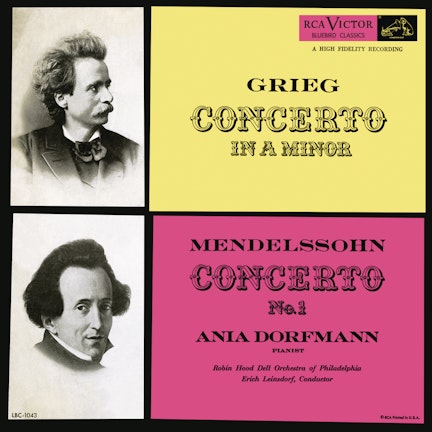
Grieg: Piano Concerto in A Minor, Op. 16 - Mendelssohn: Piano Concerto No. 1, Op. 25
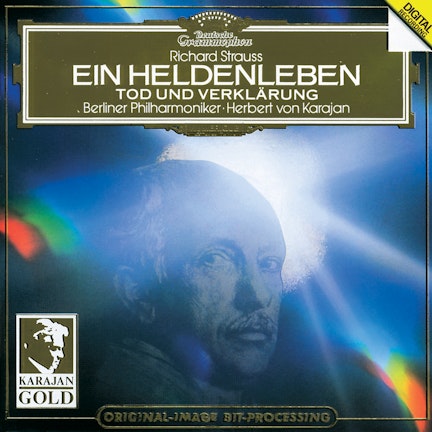
Strauss, R.: Ein Heldenleben, Op.40; Tod und Verklärung
Rachmaninoff: Piano Concerto No. 3 (Live from the 2022 Cliburn Competition)