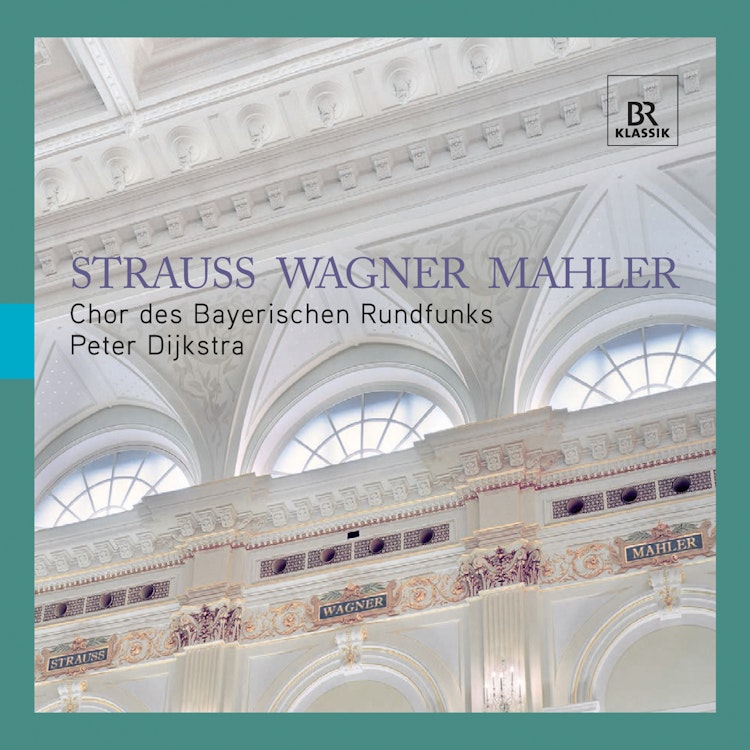
Richard Strauss's Drei Männerchöre from 1935, particularly Vor den Türen, are noted for their refined harmonic structure, featuring bold modulations and abrupt shifts.
Composer's Artistic Vision
The texts for the choral music by Strauss, Wagner, and Mahler on this album use "Night and Dream" to offer utopia and consolation to those suffering in the real world.
Performer Biography
Peter Dijkstra, the Artistic Director of the Chor des Bayerischen Rundfunks since 2005, also serves as Chief Conductor of the Swedish Radio Chorus and Principal Guest Conductor of the Nederlands Kamerkoor.
Composition History
Clytus Gottwald, an expert in new music and founder of the Stuttgart Schola Cantorum, transcribed works by Mahler and Wagner for a cappella choir because neither composer wrote much in that genre.
Composer Biography
Richard Wagner's opera Tristan und Isolde and five poems, known as Wesendonck-Lieder, were inspired by his passionate relationship with Mathilde Wesendonck, the wife of his patron.
Compositional Technique
Richard Strauss's Zwei Gesänge op. 34, composed in 1897, feature 16 virtuosic and instrumentally-led choral parts, matching the complexity of his orchestral works from the same period.
Compositional Technique
Richard Strauss's Hymne, from Zwei Gesänge op. 34, uses a double chorus and a central fugue, techniques reminiscent of Baroque music.
You might also enjoy...
Credo
Great Music of Small Forms
Canticle of the Sun: Choral Music by Stephen Dodgson
Nordic Choral Music
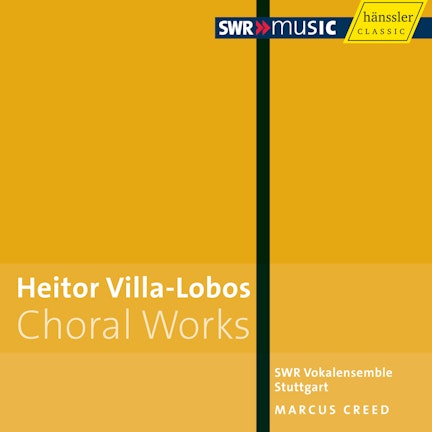
Villa-Lobos: Choral Works
Whitacre: Cloudburst, Sleep, Lux aurumque & Other Choral Works
Williamson: Choral Music
Baltic Voices 2
Gentle Flame: Choral Works by Liz Dilnot Johnson
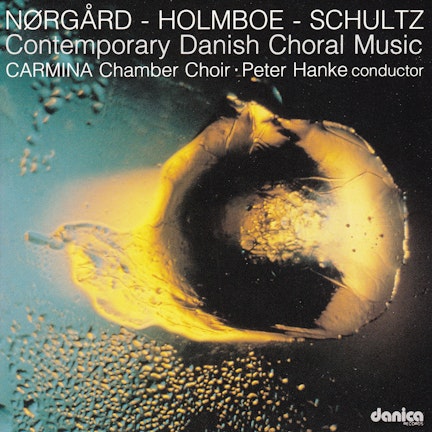
Nørgård - Holmboe - Schultz - Contemporary Danish Choral Music