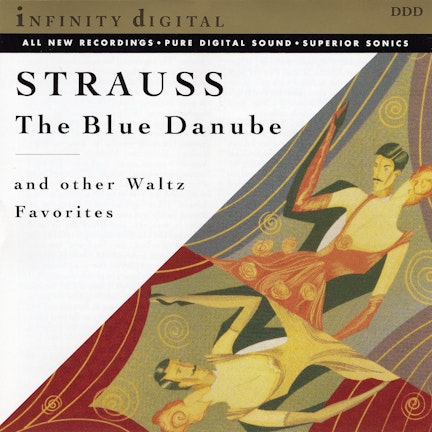
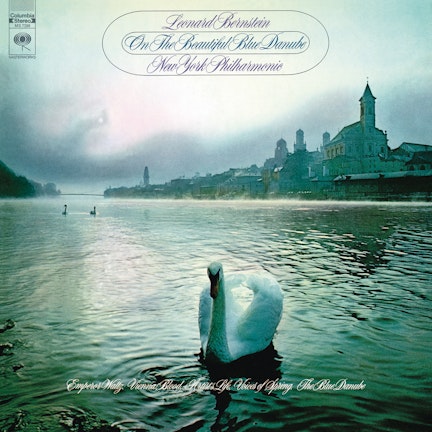
Johann Strauss's 'An der schönen blauen Donau' (The Blue Danube) became a 'musical symbol for Vienna' and even an alternative Austrian national anthem, later featured in Stanley Kubrick's film '2001: A Space Odyssey'.
Historical Context
The waltz, an intimate dance for two, was once considered scandalous due to its bodily contact and perceived sensuality, with a Viennese newspaper in 1869 calling it 'an invention of the devil'.
Critical Reception
The orchestral version of 'An der schönen blauen Donau' (The Blue Danube) became a bestseller, selling millions of copies during Johann Strauss's lifetime, despite its premiere as a choral waltz receiving only a lukewarm response.
Recording & Production
Polyhymnia International, the recording facility for this album, specializes in high-end recordings of acoustic music and builds or substantially modifies most of its recording equipment in-house.
Composition History
Johann Strauss composed 'Nordseebilder' (Northsea Pictures) during a stay on the North Sea island of Föhr, transforming the sound of the sea into a waltz.
Composer Biography
Johann Strauss's colleague, Johannes Brahms, expressed his admiration for the 'Danube waltz' by writing, 'Unfortunately not by me'.
Composer Biography
Johann Strauss, despite being known as the 'King of the Waltz', surprisingly was not a dancer himself.
You might also enjoy...
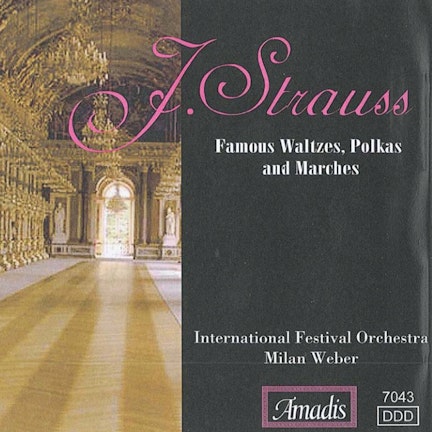
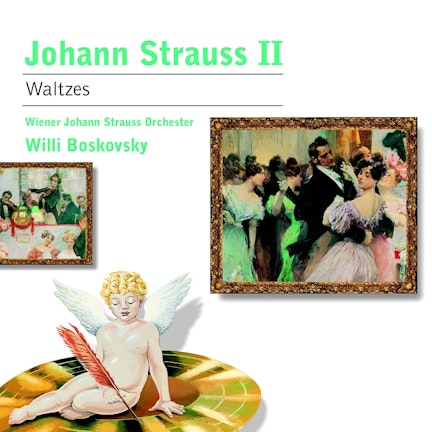
Strauss II: Famous Waltzes
Strauss, Sr.: The Four Temperaments Waltz
Strauss: Wiener Walzer
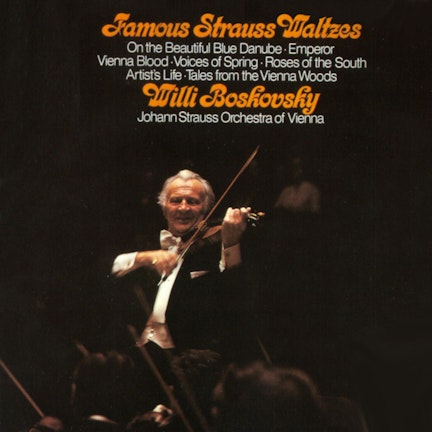
Famous Strauss Waltzes
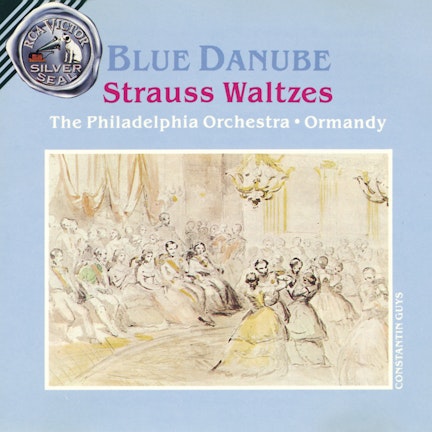
Blue Danube Strauss Waltzes
Kaiserwalzer - Die Schönsten Walzer / Best-Loved Waltzes