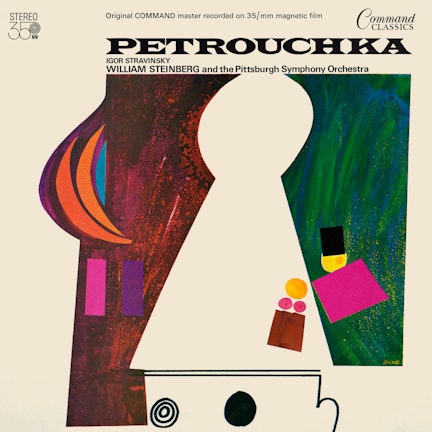
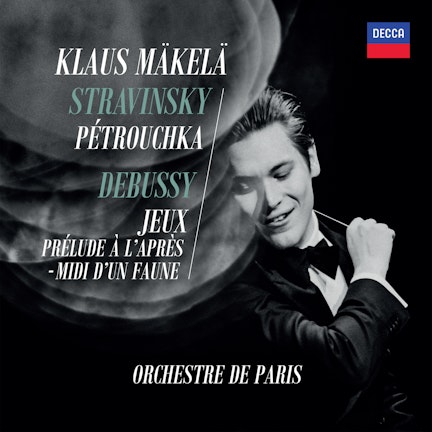
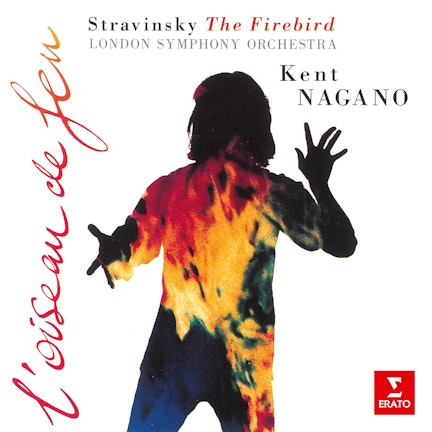
The idea for Stravinsky's ballet Petrushka originated from a vision of a puppet exasperating an orchestra, which he initially conceived as a concert piece for piano and orchestra.
Compositional Technique
The Rite of Spring features a huge orchestra treated like a vast percussion instrument, with simple harmonies superimposed to create dissonant blocks of sound, rather than subtle blends or post-Wagnerian chromaticism.
Composer Biography
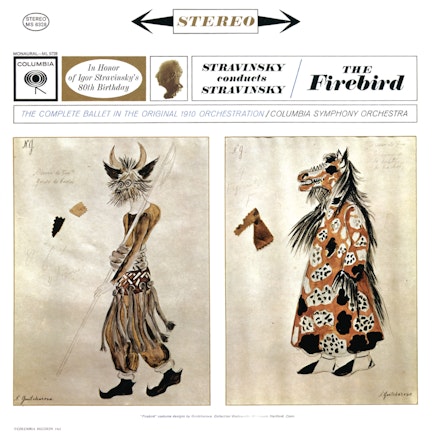
Igor Stravinsky, the composer, was a relatively late starter as a composer and had only a handful of works to his credit before his triumph with The Firebird in 1910.
Compositional Technique
In Petrushka, Stravinsky used a clash of keys a tritone apart (C major and F sharp major) to characterize the puppet, a sound significant for his musical development.
Interpretation
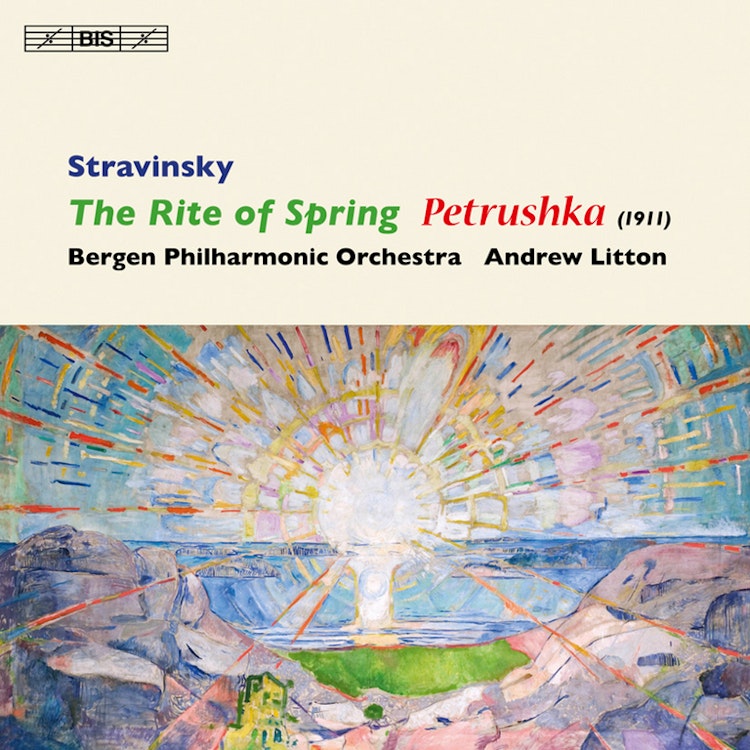
This recording of Petrushka uses the original 1911 scoring, which is described as making a more immediate, rougher, and more exciting effect than the commonly performed 1947 revised version.
Composition History
The scenario for The Rite of Spring was developed by Stravinsky in collaboration with painter and ethnographer Nikolay Roerich, aiming to evoke pre-Christian Slavic rituals.
Performer Biography
The Bergen Philharmonic Orchestra, one of the world's oldest orchestras, dates back to 1765 and had Edvard Grieg as its artistic director from 1880-82.
You might also enjoy...
Stravinsky: Le sacre du printemps / Pt. 1: L'Adoration de la terre: II. Les augures printaniers
Stravinsky: The Rite of Spring
Stravinsky: The Firebird
Stravinsky: Petrushka, K012
The Firebird (complete ballet)
Stravinsky: Le Sacre du printemps & Petrushka
Stravinsky: The Rite of Spring & The Firebird
Stravinsky: Petrushka, K012 (1947 Version) & The Rite of Spring, K015
Stravinsky: Petroushka (Original 1911 Version) & The Rite of Spring (Le Sacre du Printemps)
Stravinsky: Petrouchka; Le Sacre du Printemps
Stravinsky: The Firebird (Original 1910 Version)
Stravinsky: Petrushka, K12 (1947 Version): IIIc. Waltz. The Ballerina and the Moor