The word 'serenade' originates from the Latin 'serenus', meaning soft, serene, bright, and light, and originally referred to night music offered under a lady's window.
Performer Biography
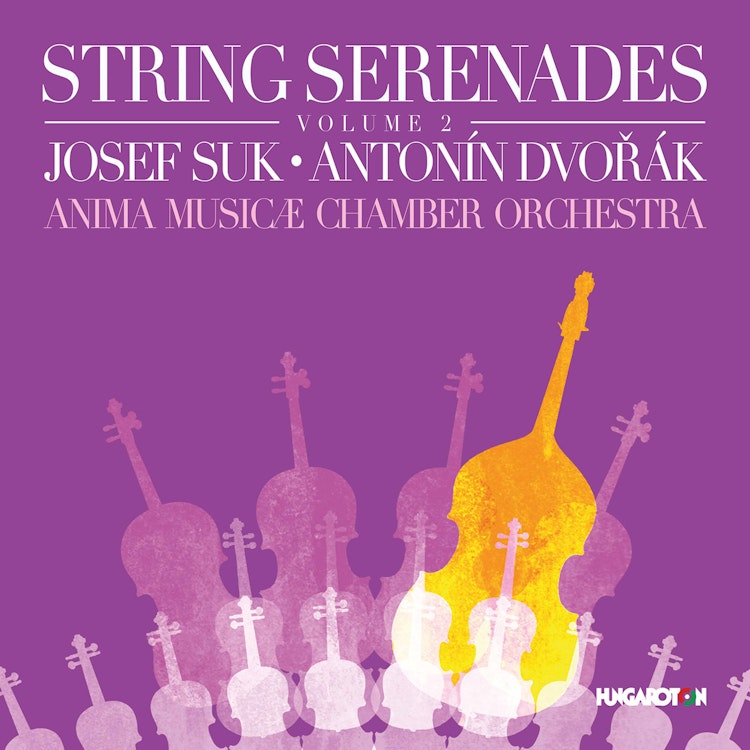
The Anima Musicæ Chamber Orchestra, whose name means 'the soul of music', was awarded the title National Youth Orchestra 2018-2020 in Hungary.
Compositional Technique
In the late Baroque and Viennese Classicism, serenades were often distinguishable from symphonies by their lighter character, more superficial elaboration, and variable number of movements.
Composition History
Antonín Dvořák's Serenade for String Orchestra in E major (Op. 22) was composed in only eleven days.
Recording & Production
This album was recorded at Hungaroton Studio, with the Josef Suk pieces recorded in October 2018 and the Antonín Dvořák pieces in January 2019.
Composition History
Josef Suk composed his Serenade for Strings in E flat major (Op. 6) at the prompting of his teacher, Antonín Dvořák, who felt Suk was writing too many melancholic works.
Composer Biography
Josef Suk, the composer of the Serenade for String Orchestra in E flat major, was a student of Antonín Dvořák and later married Dvořák's daughter, Otylie.
You might also enjoy...
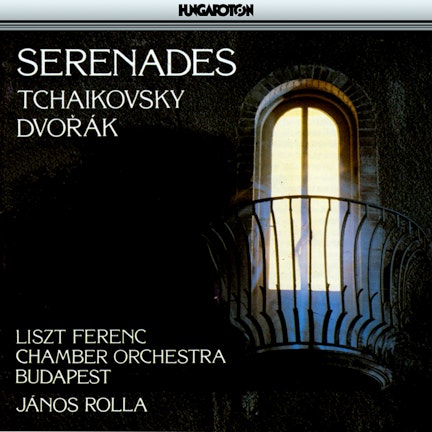
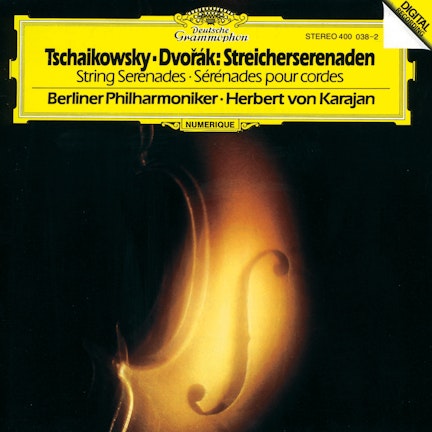
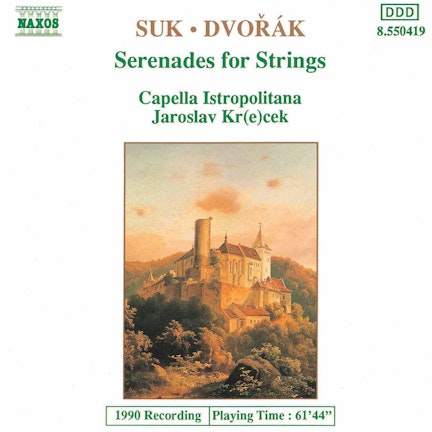
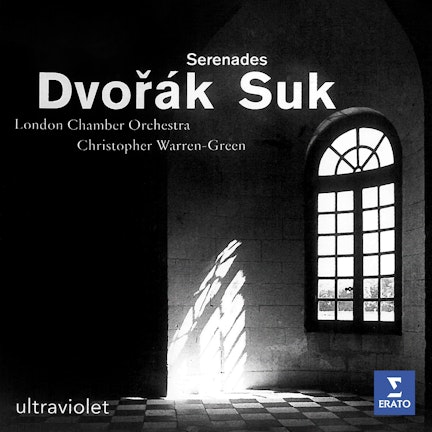
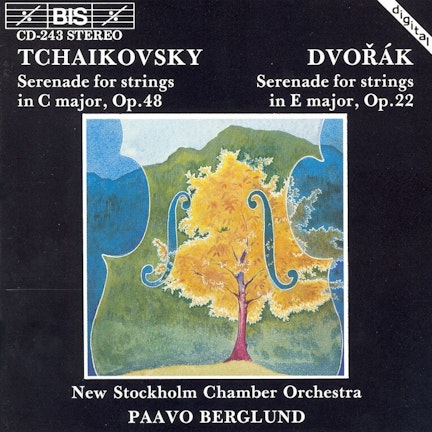
Tchaikovsky & Dvořák: Serenades
Tchaikovsky & Dvořák: Orchestral Favourites, Vol. IX