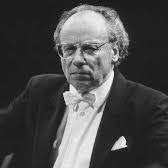
Heinrich Sutermeister, born in 1910 in Feuerthalen, Switzerland, into a Protestant vicar's family, initially studied philology in Basel and Paris before switching to music in Munich in 1931.
Compositional Technique
In Sutermeister's opera, Juliet does not stab herself but dies a 'love-death' (Liebestod), aligning with pre-Shakespearian legends.
Recording & Production
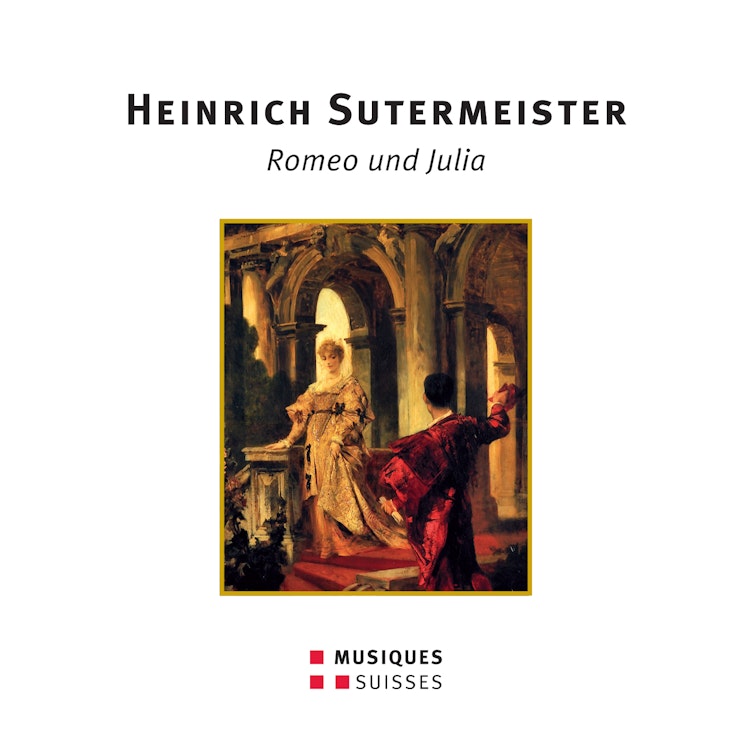
This CD release by Musiques Suisses features a 1980 recording by Bavarian Radio, which was briefly available as an LP in 1984 on the Ex Libris label.
Composer's Artistic Vision
For Romeo and Juliet, Heinrich Sutermeister wrote his own libretto, drawing on Schlegel's German translation of Shakespeare, but also incorporating passages from Shakespeare's sonnets and Baroque German poetry.
Compositional Technique
Sutermeister's opera focuses entirely on the love story, omitting many roles (like Mercutio and Tybalt), downplaying the family conflict, and removing the final reconciliation.
Critical Reception
Despite its initial success, performances of Romeo and Juliet declined in the post-war years, likely due to Sutermeister's tonal musical language being considered antiquated by the 'official' music scene of the 1950s.
Composition History
Sutermeister's opera Romeo and Juliet, his second stage work, premiered successfully on April 13, 1940, in Dresden with Maria Cebotari as Juliet, leading to an unprecedented tour across Europe.