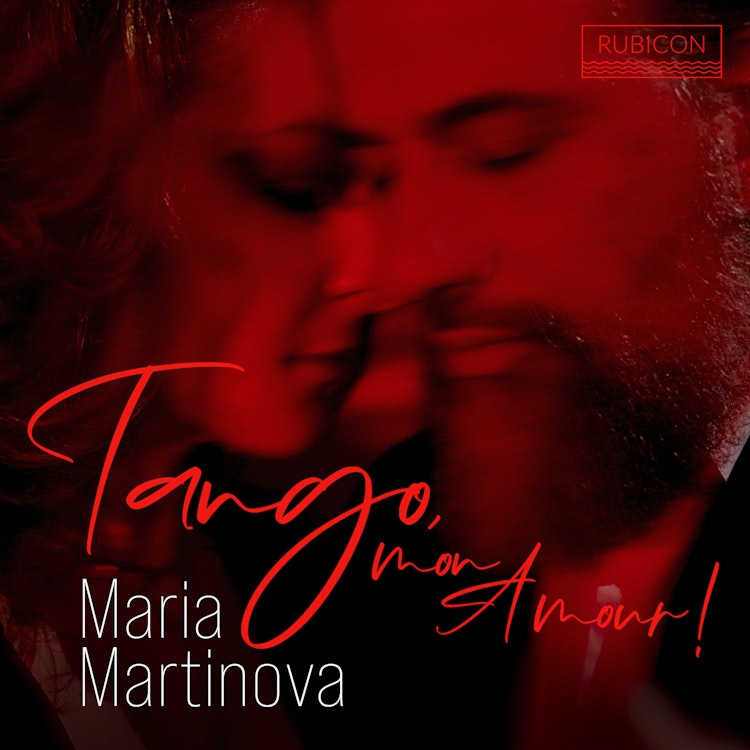
Tango, as a musical genre, has roots in Angola and has been influenced by Italian canzonetta, klezmer, French chanson, jazz, and classical music.
Composition History
Astor Piazzolla's 'Adiós Nonino' was composed in October 1959 in New York, a few days after the death of his father, Vicente 'Nonino' Piazzolla, in whose memory it was written.
Compositional Technique
Astor Piazzolla's 'Nuevo Tango' incorporates elements from various genres, creating an unprecedented richness of colors, while still being guided by tango tradition and classical music.
Instruments
The bandoneón, a symbol of tango, was invented to replace the church instrument harmonium but ended up being played in bordellos.
Cultural Impact
The poet Horacio Ferrer, a frequent collaborator with Astor Piazzolla, described the character María from their operita 'María de Buenos Aires' as an embodiment of Buenos Aires itself.
Recording & Production
Piazzolla's 'Libertango' was recorded and published in 1974 in Milan, reportedly after his European agent urged him to create a 'broadcast-friendly' piece.
Composer Biography
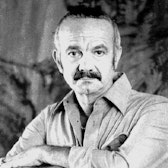
Astor Piazzolla, a key figure in Tango Nuevo, was encouraged by Nadia Boulanger, a renowned French composition teacher, to return to his tango roots after aspiring to be a classical composer.
You might also enjoy...
Winter
Room 2401
Looking Bach - Baroque and Before
B.A.C.H.
de Hartmann: A Life in Music
Christmas in Jazz, Vol. 2
Encores
All about Fugues
Symphonia, Vol. 2: La Morte dell' Oom (No Pah Intended)