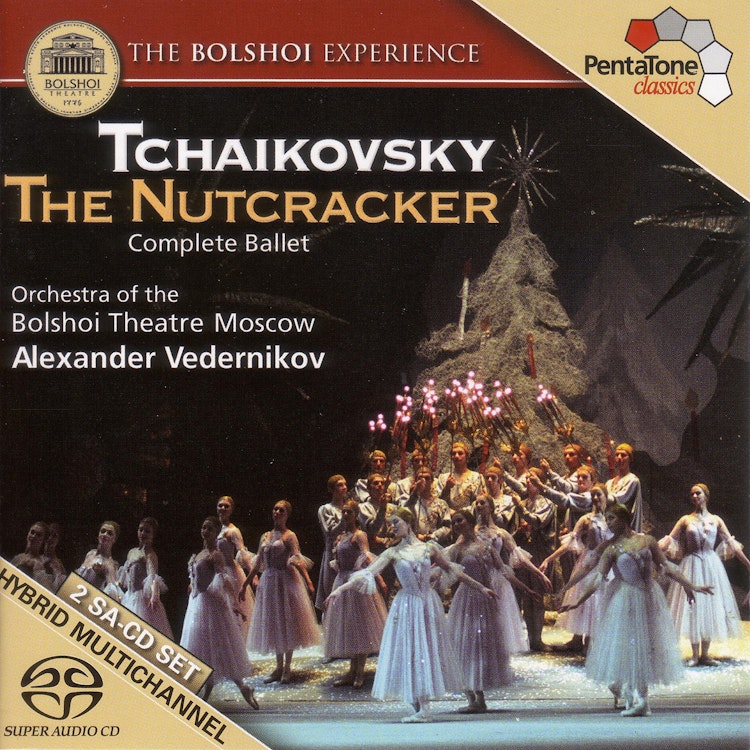
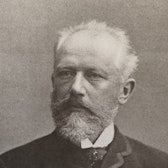
Tchaikovsky's ballet The Nutcracker was commissioned by Prince Ivan Vsevolojsky, director of the Imperial Theatres in Russia, along with the opera Iolanthe.
Composition History
Marius Petipa, a choreographer at the Maryinsky Theatre in St. Petersburg, insisted that Tchaikovsky base his new ballet on The Nutcracker story.
Recording & Production
Polyhymnia International, the recording facility for this album, builds or substantially modifies most of its recording equipment in-house, including microphone preamplifiers and internal microphone electronics.
Instruments
Tchaikovsky was the first composer in Russian music history to use the celesta, an instrument with a keyboard that produces delicate, bell-like sounds, which he discovered while composing The Nutcracker.
Performer Biography
The Bolshoi Theatre, whose orchestra performs on this recording, traces its history back to 1776 and is Moscow's first permanent company and professional opera house.
Composition History
Tchaikovsky initially felt his artistic freedom was limited by Marius Petipa's highly detailed plan for The Nutcracker, which stipulated scene order, dance characters, time signatures, and duration.
Critical Reception
The premiere of the complete Nutcracker ballet in St. Petersburg on December 18, 1892, was not a great success, partly due to Marius Petipa's illness and audience dissatisfaction with children's roles and the Sugarplum Fairy's performance.
You might also enjoy...
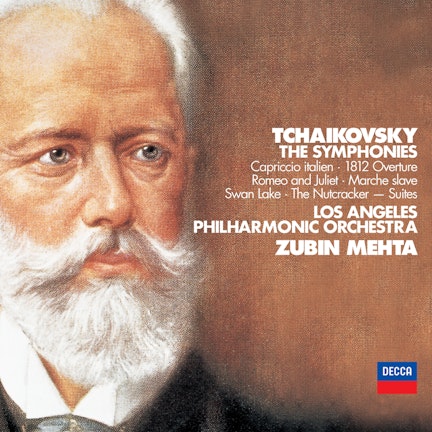
Tchaikovsky Symphony No 4, Capriccio Italien, 1812 Overture
Tchaikovsky: Ballet Highlights
Tchaikovsky: Ballet highlights
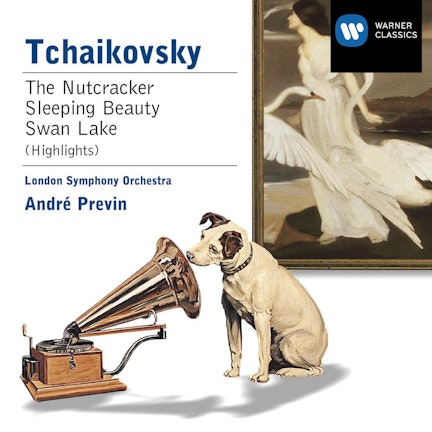
Tchaikovsky: The Nutcracker, Sleeping Beauty & Swan Lake (Highlights)