Tchaikovsky: Piano Concerto No. 1 - Rachmaninov: Rhapsody on a Theme of Paganini
10/1/2013, 27 Tracks, 58:50
Featuring
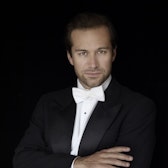
Fabien Gabel
Natasha Paremski
Royal Philharmonic Orchestra
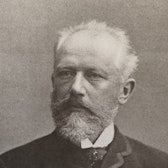
Pyotr Ilyich Tchaikovsky
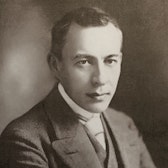
Sergei Rachmaninoff
Did you know?
1/7
Composition History
Rachmaninov composed his Rhapsody on a Theme of Paganini in 1934 after a period of creative silence, inspired by his new private refuge, Villa Senar, on Lake Geneva.
Compositional Technique
The glorious D flat major Variation XVIII in Rachmaninov's Paganini Rhapsody is ingeniously derived note for note from Paganini's theme with all original intervals turned upside down.
Compositional Technique
Rachmaninov's Rhapsody on a Theme of Paganini includes references to his musical 'spectre', the Dies Irae, first appearing in Variation VII and triumphantly at the end.
Critical Reception
Tchaikovsky's First Piano Concerto was initially deemed "worthless" and "unplayable" by its intended dedicatee, Nikolay Rubinstein, a renowned pianist and conductor.
Composition History
Despite initial harsh criticism, Tchaikovsky refused to change a single note of his First Piano Concerto, which later became a resounding success.
Composer Biography
Rachmaninov, who was called "a six-and-a-half foot scowl" by Stravinsky, believed a composer's music should express their country, love affairs, religion, and life experiences.
Composer's Artistic Vision
Tchaikovsky described his First Piano Concerto as a struggle between a powerful orchestra and a small, intelligent piano, which triumphs if the pianist is talented.
You might also enjoy...
Saint-Saëns: Concertos pour piano No. 2 & 5 "L'Egyptien"
Rachmaninov: Piano Concerto No.2; Rhapsody on a Theme of Paganini