Tchaikovsky's profound works, like his symphonies and operas, were often misunderstood by the public, while popular pieces such as Swan Lake and The Nutcracker were widely acclaimed.
Composition History
Tchaikovsky's Serenade in C major for string orchestra was written in 1880, during a rare period of inner calm, and was inspired by his admiration for Mozart.
Recording & Production
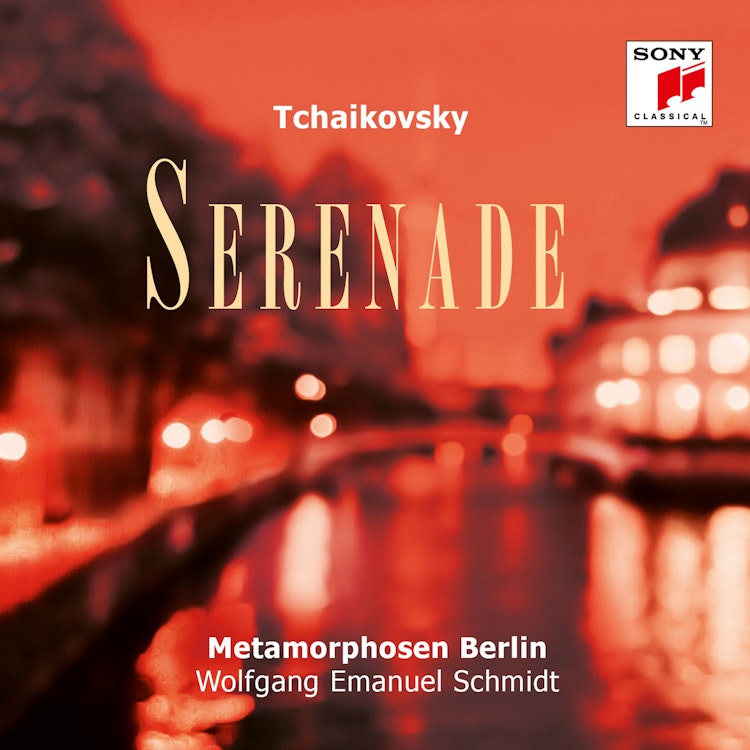
This album includes world-premiere recordings of Tchaikovsky's Valse sentimentale Op.51 No.6 and October Op.37, arranged for cello and strings by Wolfgang Emanuel Schmidt.
Compositional Technique
Tchaikovsky often worried about composing for orchestra and then arranging it for smaller ensembles, as seen in his concerns about the string sextet form of Souvenir de Florence.
Composer Biography
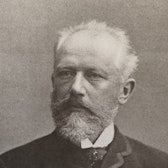
Pyotr Ilyich Tchaikovsky, the composer, was highly self-critical, destroying some of his early works and expressing strong dissatisfaction with others.
Compositional Technique
The final movement of Tchaikovsky's Serenade for string orchestra features two contrasting Russian folksongs, demonstrating his ability to incorporate authentic Russian musical idioms.
Composition History
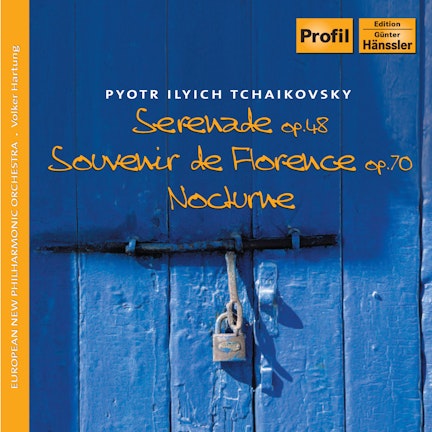
Tchaikovsky's Souvenir de Florence, a string sextet, was named after the city where he began working on it in 1880, reflecting the burgeoning cultural tourism of the time.
You might also enjoy...
Ben-Haim, Bloch & Korngold: Works for Cello & Orchestra
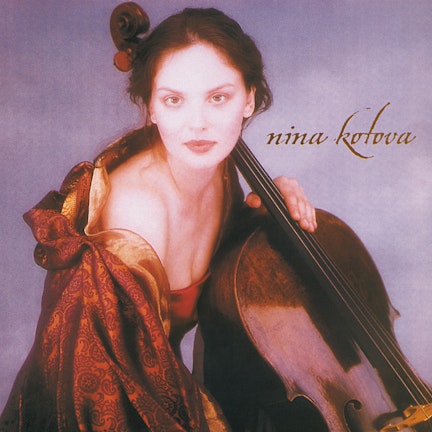
Tchaikovsky: Rococo Variations; Souvenir de Florence; Lensky's Aria From "Eugen Onegin"; Nocturne In D Minor (From Op. 19, No. 4); Andante Cantabile, Op. 11