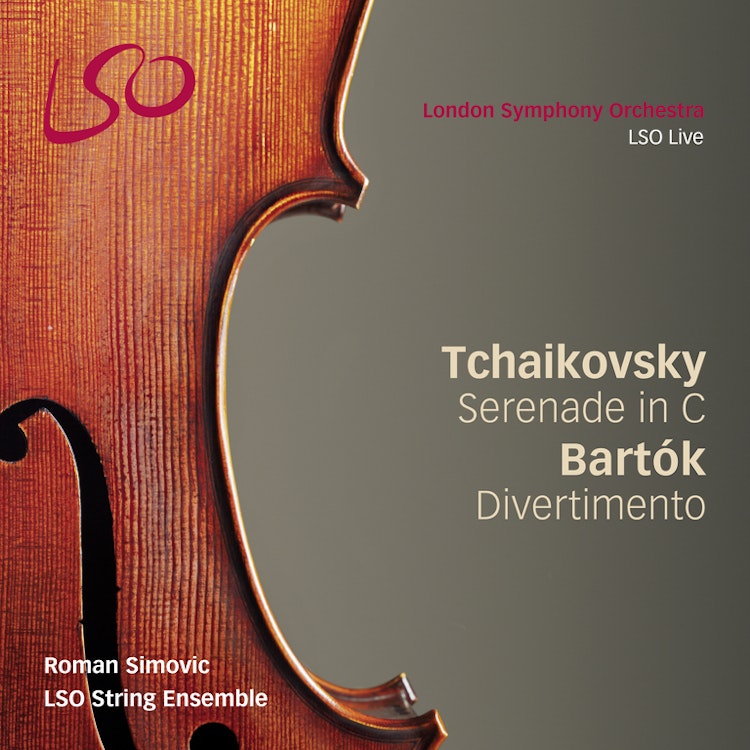
Tchaikovsky: Serenade for Strings in C - Bartók: Divertimento
10/27/2014, 7 Tracks, 55:51
Featuring
Roman Simovic
LSO String Ensemble
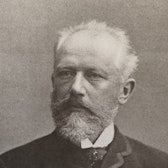
Pyotr Ilyich Tchaikovsky
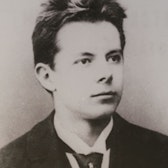
Béla Bartók
Did you know?
1/7
Compositional Technique
Bartók's Divertimento pits a solo string quartet against the broader mass of strings, reminiscent of the 18th-century concerto grosso style.
Composition History
Tchaikovsky composed his Serenade for Strings in C major in the autumn of 1880, at the same time as the '1812' Overture.
Composition History
Bartók completed his Divertimento in just 15 days while staying in a chalet in the Swiss mountains, so absorbed in his work that he was unaware of the outbreak of World War II.
Compositional Technique
Tchaikovsky's Serenade for Strings features a waltz, one of his favorite dance forms, whose opening theme is transposed to form the opening theme of the slow third movement, an Elegy.
Composition History
Bartók's Divertimento was one of the last works he wrote before leaving Europe for exile in the US, commissioned by the influential Swiss conductor and patron Paul Sacher.
Performer Biography
Roman Simovic, the director of this recording, was appointed Leader of the London Symphony Orchestra in 2010 after previously being Leader of Camerata Salzburg.
Historical Context
Bartók became a vocal opponent of Fascism in the 1930s and considered emigration, eventually accepting a commission from Paul Sacher that allowed him to compose in peace in Switzerland.
You might also enjoy...
Tchaikovsky & Suk: Serenades
Tchaikovsky & Dvořák: Orchestral Favourites, Vol. IX