The libretto for The Sleeping Beauty was co-written by Marius Petipa, a choreographer largely responsible for Russian ballet achievements in the 19th century, and Ivan Vsevolozhsky, Director of the Russian Imperial Theatres.
Composer Biography
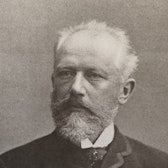
Tchaikovsky's career as a full-time composer was made possible by financial assistance from Nadezhda von Meck, a rich widow who never met him face to face.
Performer Biography
Andrew Mogrelia, the conductor on this album, has an extensive discography for Naxos/Marco Polo, and his complete Sleeping Beauty recording was acclaimed as a 'clear first choice' by Gramophone magazine.
Composition History
The Sleeping Beauty was Tchaikovsky's second full-length ballet, commissioned by the Imperial Theatres in Moscow.
Critical Reception
Despite being regarded as the greatest achievement of Russian ballet in the 19th century, The Sleeping Beauty initially received a lukewarm reception from the Tsar.
Composer Biography
Tchaikovsky initially worked in the Ministry of Justice after completing his studies at the School of Jurisprudence in St Petersburg.
Composer Biography
Tchaikovsky's early musical education, like everything else, was at home under the care of his mother and a governess.
You might also enjoy...
Tchaikovsky: Swan Lake, Op. 20
Stravinsky: The Rite of Spring; Petrouchka
Tchaikovsky: Swan Lake
Prokofiev: The Tale of the Stone Flower, Op. 118
The Rite of Spring, K015 Pt. 2 "The Sacrifice": III. Glorification of the Chosen One
Offenbach, Rosenthal: Gaîté parisienne
The Nutcracker, Op. 71, TH 14
Tschaikowski: Dornröschen (Highlights)
Tchaikovsky: Swan Lake, Op. 20
Tchaikovsky: Swan Lake, Op. 20 - Adam: Giselle - Meyerbeer: Les patineurs (Exerpts)