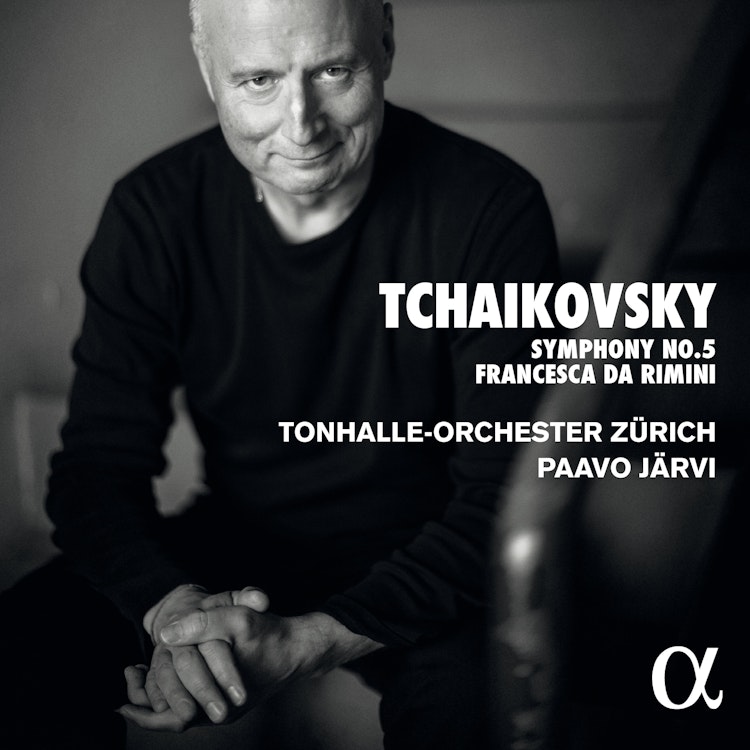
Paavo Järvi, the conductor, studied percussion and conducting in his native city of Tallinn when it was still part of the Soviet Union, before his family emigrated to the United States in 1980.
Composer's Artistic Vision
Tchaikovsky viewed Beethoven, particularly his Fifth and Ninth Symphonies, as a model for showing the triumph of spirit over flesh, life over death, and heaven over earth.
Composer Biography
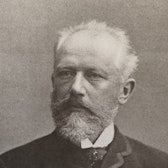
Tchaikovsky often used composing as a way to overcome his melancholy and inner conflict, stating he needed work 'as I need air to breathe'.
Composition History
Tchaikovsky initially intended to adapt Dante Alighieri's 'Divina Commedia' into an opera, but when that project stalled, he conceived the orchestral piece 'Francesca da Rimini' in collaboration with his brother Modest.
Compositional Technique
In 'Francesca da Rimini,' Tchaikovsky uses a central 'hell motto' or idée fixe that recurs throughout the composition, symbolizing the tragic fate of Francesca and Paolo.
Historical Context
The first documented performance of a Tchaikovsky symphony in Zurich was the Fifth Symphony on March 12, 1895, in the old Tonhalle.
Compositional Technique
The Fifth Symphony features a 'Fate motif' introduced by the clarinets at the beginning, which permeates the entire work and reappears in modified forms in all movements.
You might also enjoy...
Tchaikovsky : Symphony No.1, 'Winter Daydreams' & Francesca da Rimini
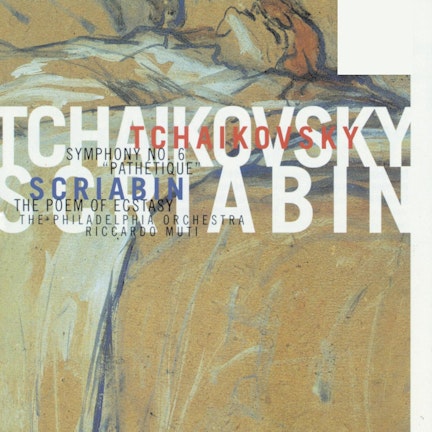
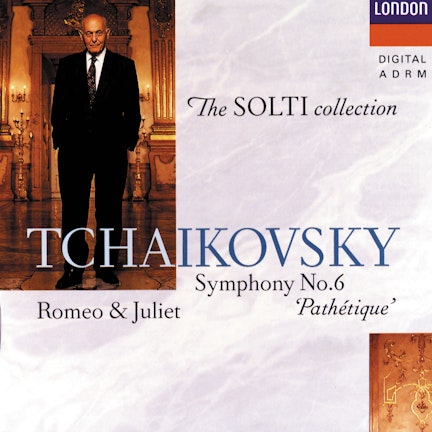
Tchaikovsky: Symphony No.6 in B Minor - "Pathétique"; Romeo & Juliet Fantasy Overture
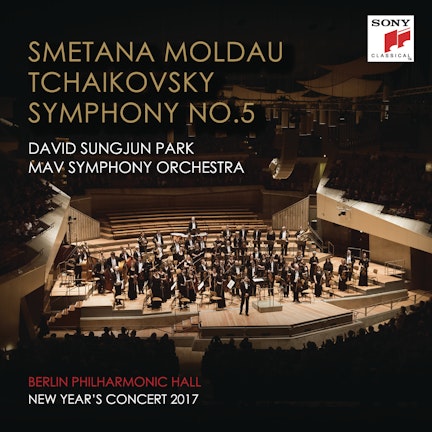
Berlin Philharmonic Hall New Year's Concert 2017
Rachmaninoff: Symphony No. 1 & Isle of the Dead
Tchaikovsky: Symphony No.4, Romeo and Juliet
Tchaikovsky : Symphony No.5 & Romeo & Juliet
Tchaikovsky: Symphony No. 4 in F Minor, Op. 36, TH 27