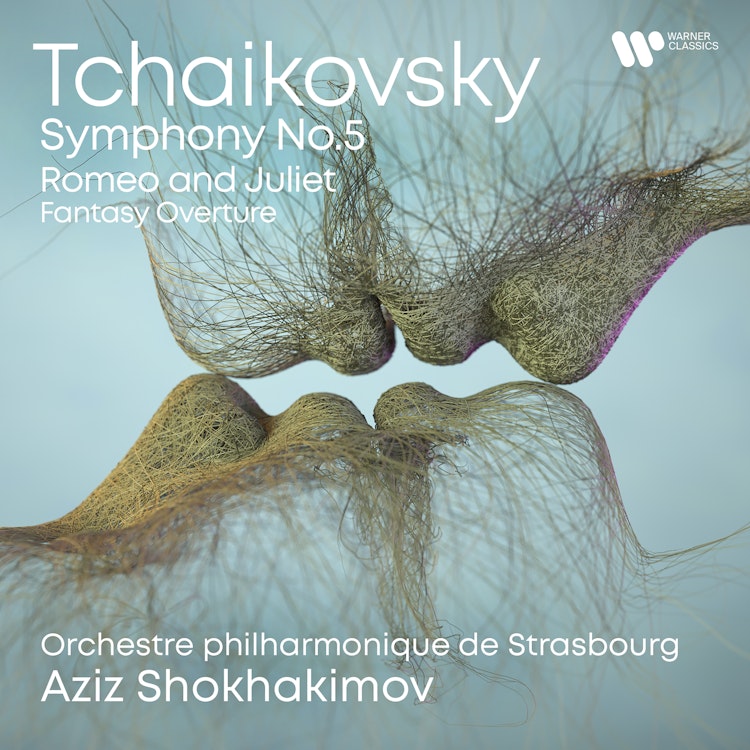
Tchaikovsky: Symphony No. 5, Romeo & Juliet Fantasy Overture
8/25/2023, 5 Tracks, 1:05:30
Featuring
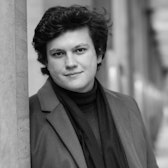
Aziz Shokhakimov
Orchestre Philharmonique de Strasbourg
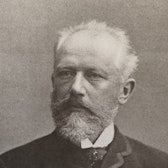
Pyotr Ilyich Tchaikovsky
Did you know?
1/7
Composition History
Tchaikovsky consulted Balakirev for guidance while writing Romeo and Juliet, even adding the chorale representing Friar Laurence on his advice.
Composition History
Tchaikovsky found a supporter in Mily Balakirev, a composer who, with four others, founded the 'Mighty Handful' to create a distinctively Russian school of music.
Composer Biography
Pyotr Ilyich Tchaikovsky, the composer, was 29 when he composed Romeo and Juliet, and despite a new post at the Moscow Conservatory, he was prone to harsh self-criticism.
Composer's Artistic Vision
Despite Balakirev's aim for a Russian school of music, Tchaikovsky was an adherent of the great Germanic tradition, represented by composers like Brahms.
Composer's Artistic Vision
Tchaikovsky's final three symphonies, including Symphony No. 5, are marked by 'fatum' – an adverse Fate that extinguishes hope for happiness.
Compositional Technique
In Symphony No. 5, the 'fatum' theme appears as a sombre, funeral march-like motif in the first movement and then subtly or overtly pervades the entire symphony.
Composition History
Tchaikovsky began work on his Fifth Symphony in May 1888, after an 11-year break from the genre, which made him the only true heir to Beethoven in the Russian school.
You might also enjoy...
Rimsky-Korsakov: Scheherazade; Antar
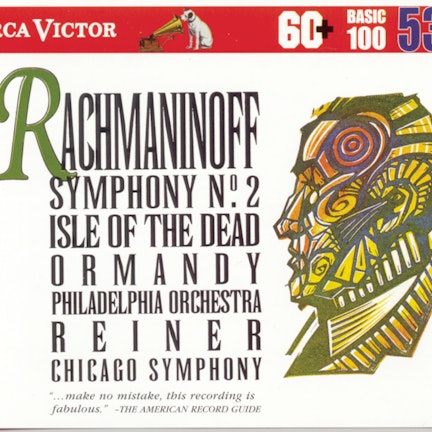
Rachmaninoff: Symphony No.2 / Isle Of The Dead
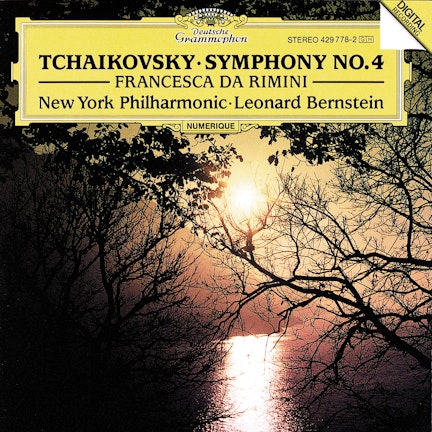
Tchaikovsky: Symphony No.4; Francesca da Rimini
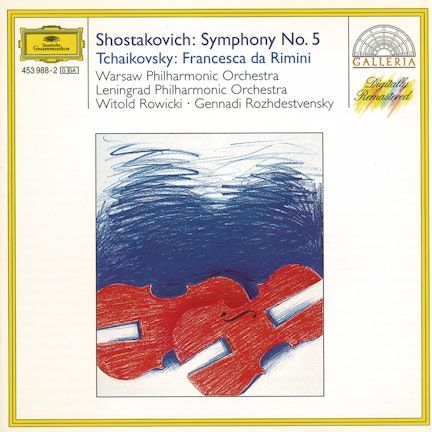
Shostakovich: Symphony No.5 In D Minor, Op. 47 / Tchaikovsky: Francesca Da Rimini, Op. 32
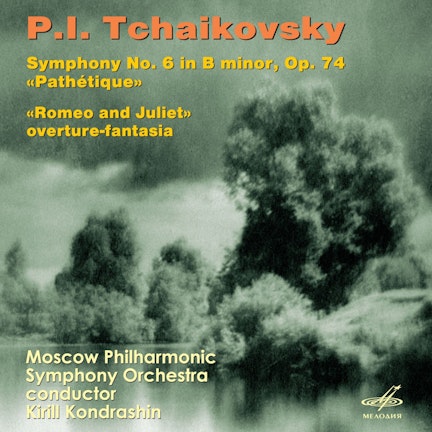
Tchaikovsky: Symphony No. 6, Op. 74 & Romeo and Juliet Fantasy Overture