The reign of Dom João V, King of Portugal from 1707, was marked by his 'priest-king' ideal, leading to close ties between Church and state and a focus on liturgical music.
Notable Performances
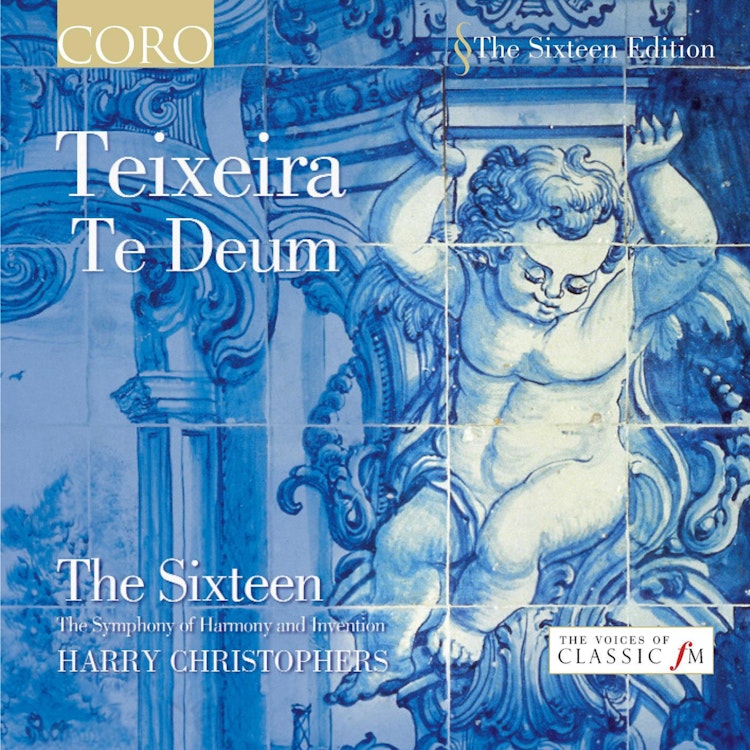
The Te Deum was performed for the first time in living memory in 1989 in Lisbon, in the very church where its autographed score had been kept for years.
Composition History
The Te Deum was likely performed on New Year's Eve, 1734, following a Portuguese tradition of giving thanks for the past year.
Compositional Technique
The Te Deum is scored for eight soloists, five four-part choirs, and a large orchestra including strings, continuo, flutes, oboes, bassoon, and horns.
Compositional Technique
Teixeira's Te Deum uses an 'alternatim' setting, where only every other verse is set to music, with the remaining verses intended to be sung in plainchant.
Composition History
António Teixeira's Te Deum score was found standing upright on a shelf in Lisbon's ornate Italian church, nearly three hundred years after its probable premiere.
Composer Biography
António Teixeira, born in Lisbon in 1707, was sent to Rome by King Dom João V at age nine or ten to study counterpoint, composition, and harpsichord for ten years.