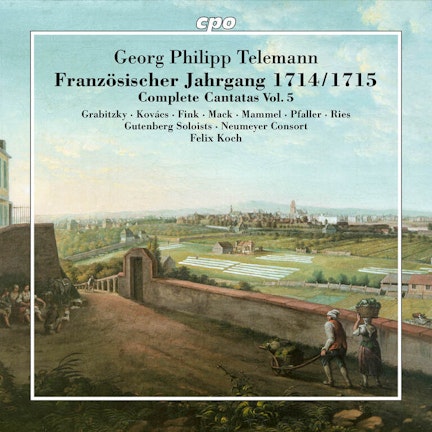
Telemann's annual cycles of cantatas, such as the "Jahrgang ohne Recitativ" and the "2. Lingenscher Jahrgang," were performed simultaneously in multiple cities, including Hamburg, Eisenach, and Frankfurt am Main.
Compositional Technique
One cantata, "Er ist auferstanden" (TVWV 1:460), features an unusual instrumentation of unison violins and two trumpets, and limits vocal soloists to tenor and bass.
Performer Biography
Peter Kooij, the bass soloist, began singing in his father's choir at age six and made many broadcast and gramophone recordings as a boy soprano.
Composer Biography
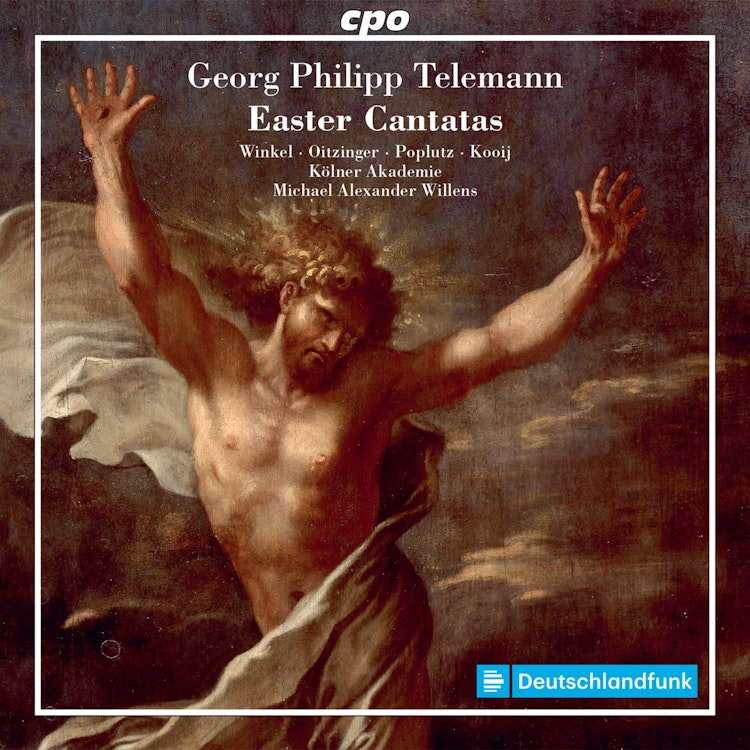
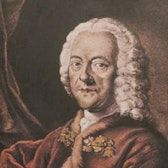
Georg Philipp Telemann (1681-1767) wrote Easter cantatas for over sixty years, while working in Eisenach, Frankfurt am Main, and Hamburg.
Performer Biography
Michael Alexander Willens, the artistic director of the Kölner Akademie, received his Bachelor and Master of Music degrees from the renowned Juilliard School in New York.
Compositional Technique
The "Jahrgang ohne Recitativ" avoids large ensembles with brass or woodwind instruments and concertizing instrumental voices, instead emphasizing arias and biblical quotations.
Compositional Technique
The "Jahrgang ohne Recitativ" (Annual Cycle without Recitative) by Telemann is characterized by the complete absence of recitatives, focusing instead on biblical quotations, chorales, and arias.