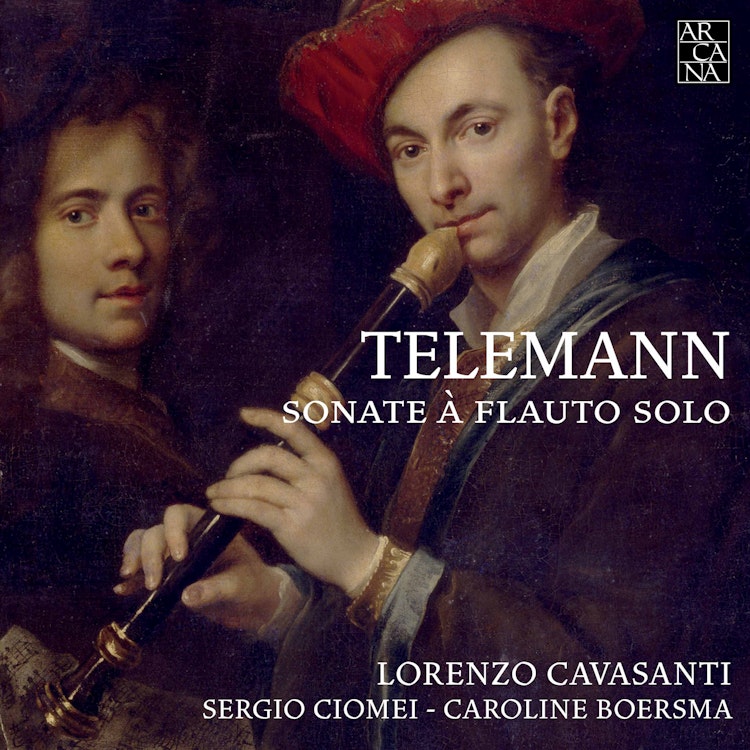
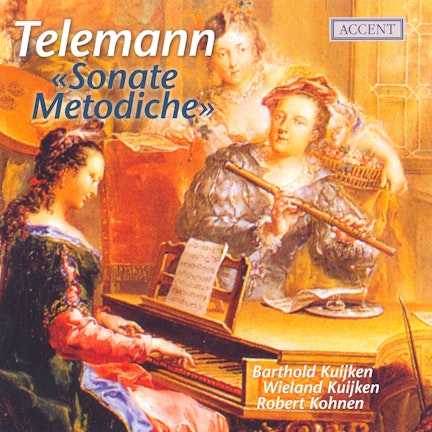
The Solo in C major on this album features a cross-genre experiment, concluding with a Vivace cast as a classic da capo aria where the melody instrument acts as both 'orchestra' and 'singer.'
Compositional Technique
Telemann's stylistic eclecticism is evident in the works on this album, which blend elements from opera, cantata, and folk music.
Instruments
For this recording, Lorenzo Cavasanti, the recorder player, used three different sized recorders (alto, tenor, soprano) made from various materials like boxwood, maple, and ivory to achieve specific sound colors.
Composer's Artistic Vision
Telemann's published sonatas, including those on this album, are characterized by their flexible scoring, allowing them to be played on various melody instruments.
Historical Context
During Telemann's time, it was common practice for instrumental works to be interchangeable between instruments like the flute, recorder, and violin, sometimes requiring transposition.
Composition History
Telemann's XII Solos à violon ou traversière (Hamburg, 1734), featured on this album, were dedicated to amateur musicians in Hamburg, the brothers Rudolph, Hieronymus, and Johann Wilhelm Burmeister.
Composition History
The Essercizii Musici, from which a sonata on this album is taken, was engraved by Telemann himself between 1726-1728, a period when he was still perfecting his engraving technique.
You might also enjoy...
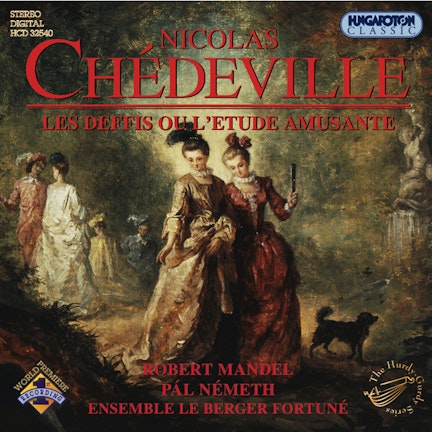
Chedeville, N.: Deffis, Ou L'Etude Amusante (Les)
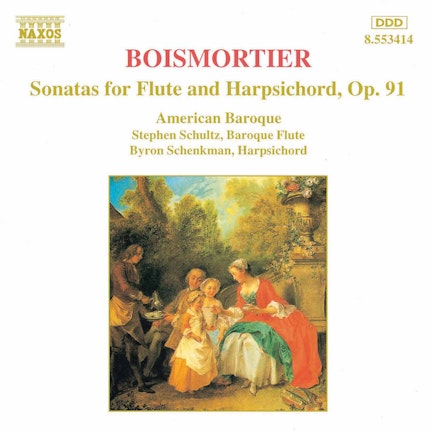
Boismortier: Sonatas for Flute and Harpsichord, Op. 91
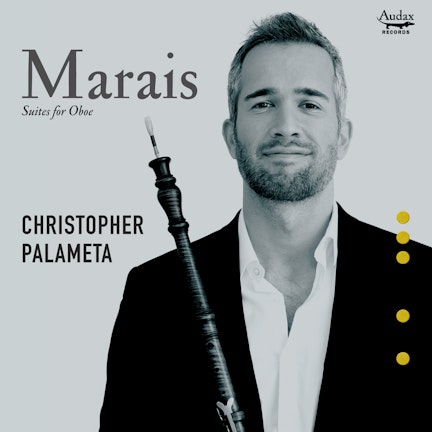
Marais: Suites for Oboe
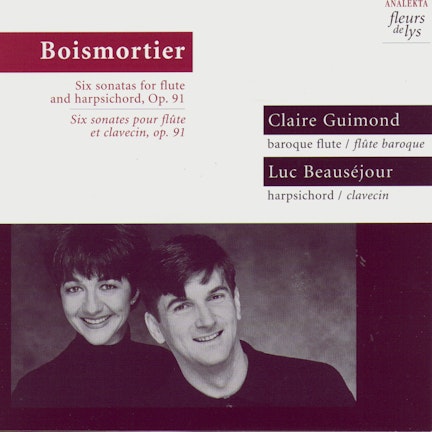
Six sonatas for flute and harpsichord, Op.91 (Boismortier)
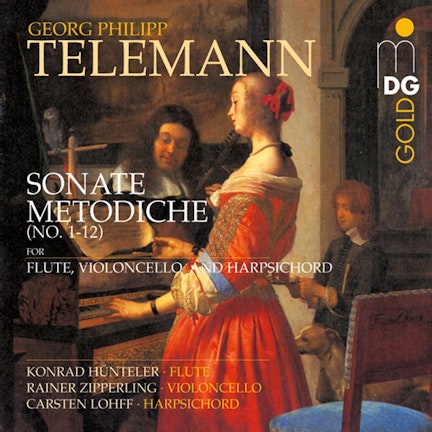
Telemann: Sonate Metodiche
Georg Philipp Telemann: 4 Concerti for Flute, Harpsichord & b.c.
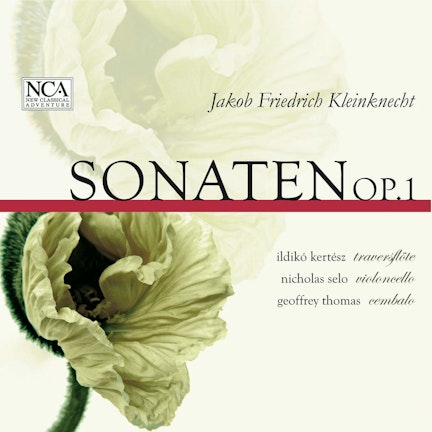
Kleinknecht: 6 Sonatas da Camera for Flute and Continuo Op. 1