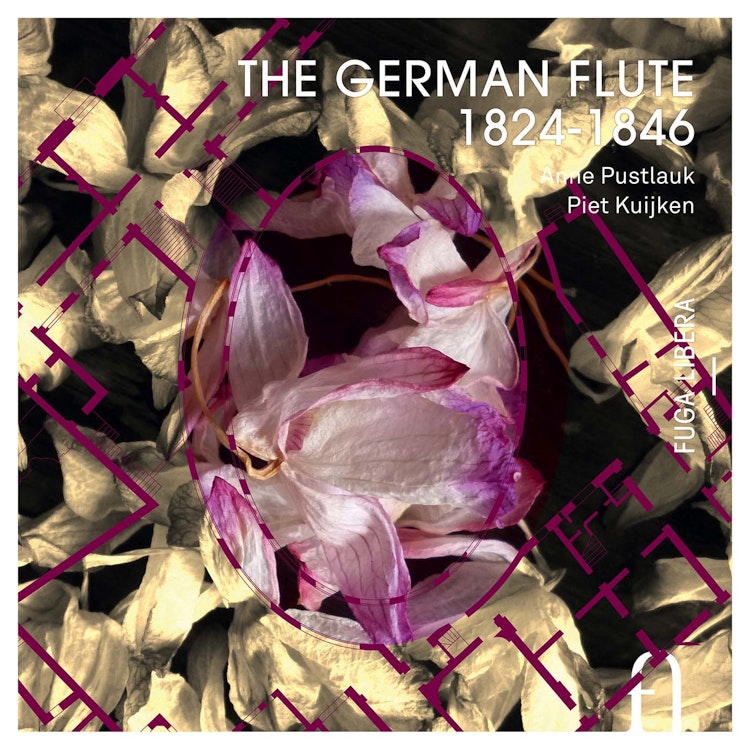
The flute underwent significant changes in the 19th century, evolving from a conical wooden flute with one key to a cylindrical metal flute with a complex Boehm system.
Instruments
The flute used in this recording is a copy of a boxwood flute made by Christian Wilhelm Liebel, an instrument maker whose flutes were considered among the best of his time by Anton Bernhard Fürstenau, a prominent 19th-century flutist.
Interpretation
Historically informed performance practices for the flute, as explored on this album, include varying articulation with 'consonants and vowels' and applying tempo rubato to emphasize emotion, details not typically written in scores of the period.
Interpretation
Playing the simple system flute, as featured on this album, involves using multiple fingerings for a single note to simplify passages, adjust intonation, or create different tone colors.
Interpretation
Anne Pustlauk, the flutist, plays a simple system (or German) flute because she believes it is important to hear compositions played on the instruments for which they were originally composed.
Performer Biography
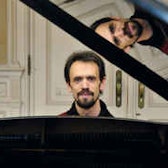
Piet Kuijken, the fortepianist on this recording, has an extensive discography that includes a wide range of chamber music and solo works, earning him awards such as 'Choc du Monde de la Musique' and 'Diapason d'Or'.
Recording & Production
This album is the result of a Doctoral Research Program in the Arts led by Anne Pustlauk, the flutist on this recording, focusing on the simple system flute and its performance practice.
You might also enjoy...
Karg-Elert: Complete Works for Flute
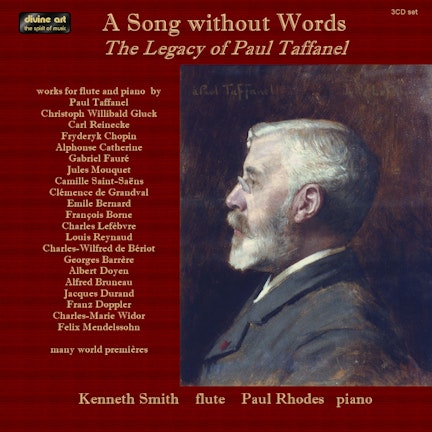
A Song Without Words: The Legacy of Paul Taffanel
Castérède: Complete Works for Flute, Vol. 2
Nicolas Bacri: Chamber Music, Vol. 1 - Works for Flute
A Viennese Bouquet
James Galway Plays the Music of Sir Malcolm Arnold