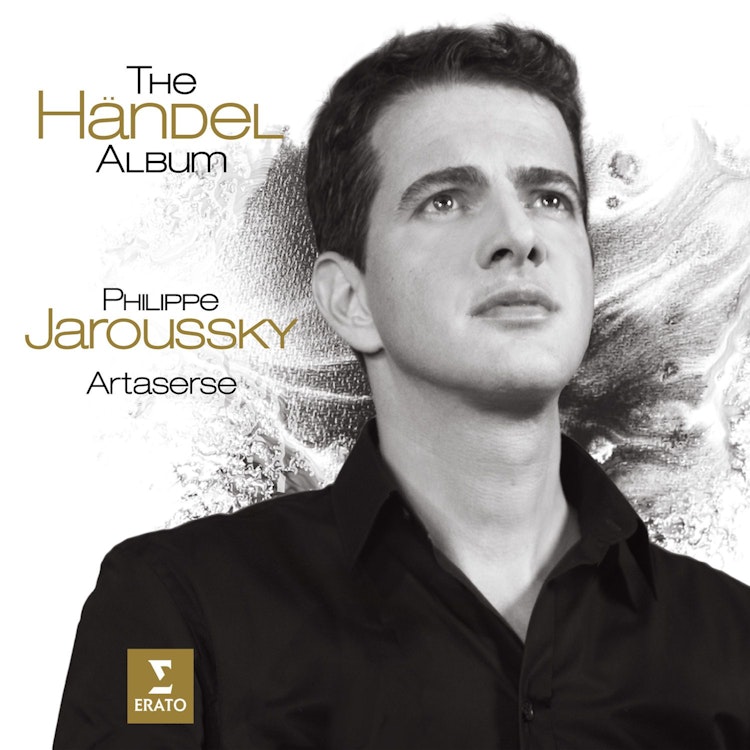
Philippe Jaroussky, the countertenor, adapted some arias on this album by transposing entire roles, mirroring Handel's own practice when reviving operas with different singers.
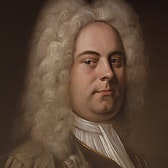
Composer Biography
George Frideric Handel composed thirty-five operas for the London stage between 1711 and 1741, though their box-office success varied greatly during his career.
Performer Biography
Philippe Jaroussky, the countertenor on this album, has only recently been able to perform major Handel roles on stage, such as Sesto in Giulio Cesare or Ruggiero in Alcina.
Composition History
Handel's opera Imeneo, which he first drafted in 1738, was laid aside for his large-scale oratorio Saul, and some of its arias were based on music originally intended for Saul.
Critical Reception
Handel's operas, including those considered 'failures' like Ezio and Serse, are now more popular and better known than at any point in their history, thanks to a century-long renaissance in theatres and recording studios.
Interpretation
Philippe Jaroussky chose to feature arias from less well-known Handel operas on this album, some of which he has been performing for many years with his ensemble, Artaserse.
Historical Context
The management of Italian opera in London was transformed by the establishment of the Royal Academy of Music, a joint-stock company founded by 73 aristocrats and supported by King George I, which recruited Handel as its salaried 'Master of the Orchestra'.
You might also enjoy...
Porpora: Arie d'Opera
Rivals - Arias for Farinelli & Co.
Cieco Amor - Opera Arias Written for Giuseppe Maria Boschi
Fra l'ombre e gl'orrori
Roma Travestita
Musiques de cinéma - Vivaldi: Vedrò con mio diletto (From "Lovers")