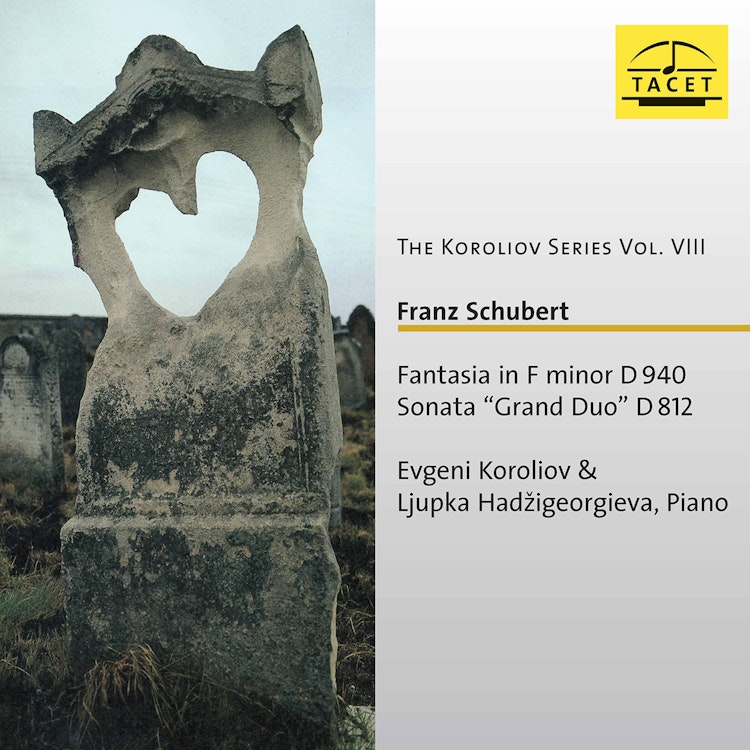
The Koroliov Series, Vol. 8: Schubert – Works for Piano 4 Hands
10/2/2020, 5 Tracks, 1:05:15
Featuring
Evgeni Koroliov
Ljupka Hadzi-Georgieva
Duo Koroliov
Franz Schubert
Did you know?
1/7
Composer's Artistic Vision
Schubert intended the Grand Duo as one of the works with which he wanted to "beat his 'path to the great symphony'", as mentioned in a letter from the time.
Critical Reception
Until recently, it was assumed that the Grand Duo was not an original composition but a piano version of a lost symphony, a theory seemingly confirmed by Joseph Joachim's impressive orchestration of it in 1856.
Composer Biography
Schubert may have been in love with Countess Caroline Esterházy, as suggested by a diary entry from his friend Eduard von Bauernfeld and a coded musical message in the Grand Duo.
Composer Biography
Franz Schubert, initially treated haughtily as a piano instructor for the Esterházy daughters in 1818, was received with much more cordiality during his second visit in 1824, having become a promising composer in Vienna.
Composition History
The Grand Duo was composed in 1824 at the Esterházy country residence in Zseliz, where Schubert served as both piano teacher and musical partner to the countesses.
Compositional Technique
The Grand Duo stands out from other works written in Zseliz due to its high musical standard, its venture into a great cyclical form, and the extraordinary span of its first and last movements.
Composer's Artistic Vision
The F minor Fantasia, composed in Schubert's final year, is interpreted as a lament or a "funeral farewell to an impossible love," reflecting his understanding of social constraints and the fate of a wanderer.
You might also enjoy...
Schubert: Works for Piano Duet and Piano Solo
Schubert: Piano Works for Four Hands, Vol. 6
Schubert: Music for Piano Duet
Schubert: Piano Sonatas Nos. 13 and 21 - Wanderer Fantasy
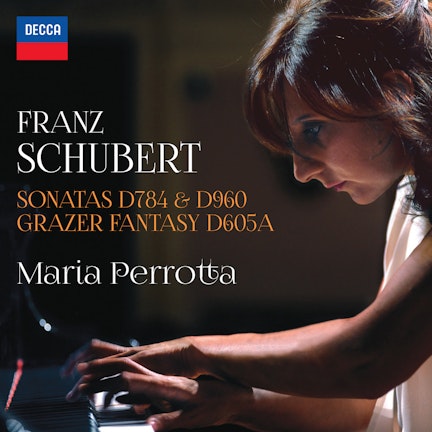
Schubert: Sonatas D784 & 960 - Grazer Fantasy D605A
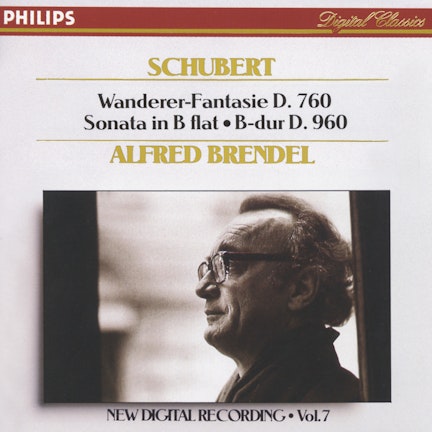
Schubert: Piano Sonata in flat, D.960/ "Wanderer" Fantasie, D.760
Schubert: Piano Sonata No. 21 in B-Flat Major; 4 Impromptus, Op. 142
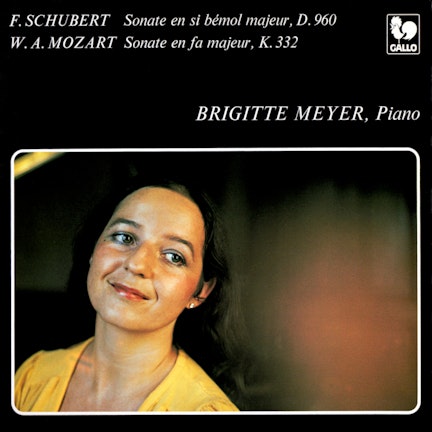
Schubert : Piano Sonata No. 21 in B-Flat Major, D. 960 - Mozart: Piano Sonata No. 12 in F Major, K. 332
Schubert - Klaviermusik
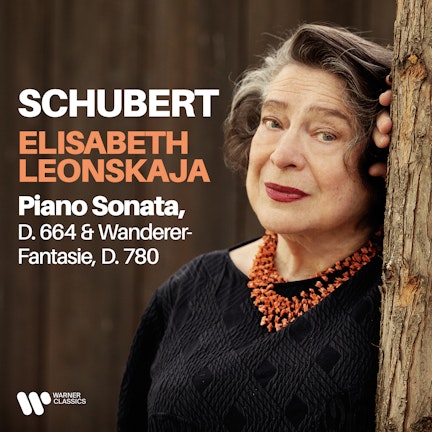
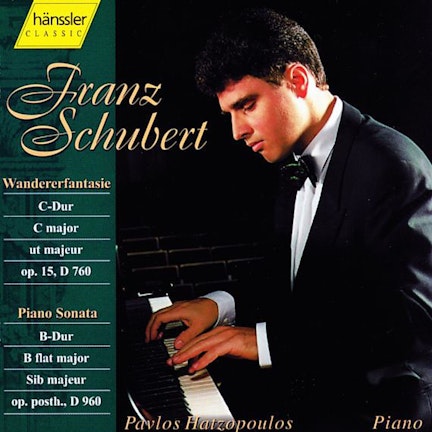
Schubert: Piano Sonata, D. 664 & Wanderer-Fantaisie, D. 780
Schubert: Fantasy in C Major, D. 760 & Piano Sonata No. 21 in B-Flat Major, Op. posth. D. 960