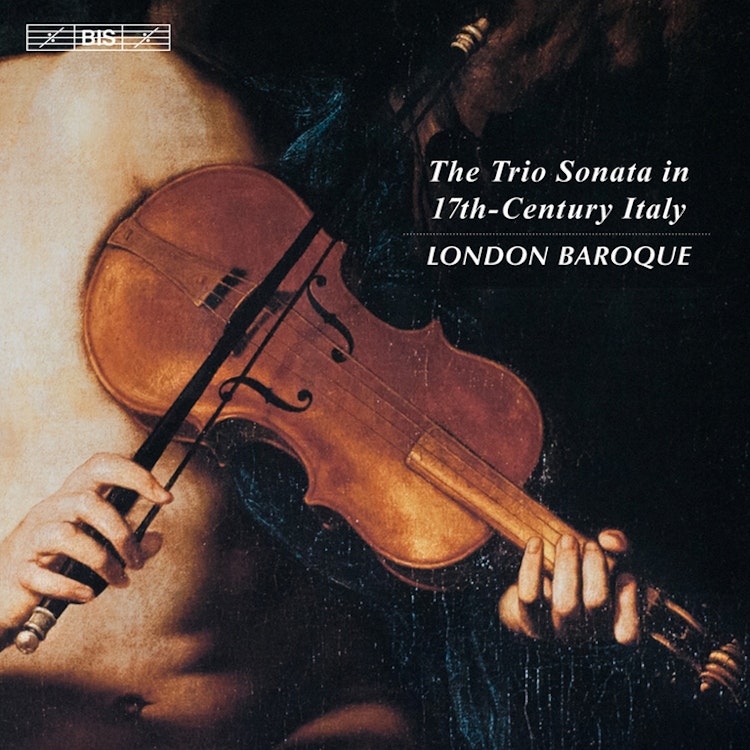
The trio sonata emerged in 17th-century Italy as a cutting-edge form of 'new music', following groundbreaking vocal developments like Caccini's stile moderno and Monteverdi's seconda prattica.
Composer's Artistic Vision
Some 17th-century composers, like Cima and Bononcini, explicitly requested performers to refrain from excessive ornamentation, preferring expressive playing or adherence to the written score.
Compositional Technique
Early trio sonatas, like those by Cima (1610) and Turini (1621), already exhibited advanced compositional techniques such as motivic imitation, contrapuntal sections, homophonic passages, and clear cadences.
Instruments
The violins used in this recording are a Jacobus Stainer from 1661 and a Giofredo Cappa from around 1685, both existing during the period when the later pieces on the disc were composed.
Interpretation
The term 'trio sonata' in 17th-century Italy referred to either 'Sonata a due' (two melody instruments plus continuo) or 'Sonata a tre' (three melody instruments plus continuo), with violins almost always playing the top parts.
Instruments
The cellist on this recording uses a 5-string cello after Stradivarius, made by David Rubio in 1986, as a historically informed alternative to the modern 4-string cello.
Album & Artwork
This disc is part of London Baroque's ambitious eight-CD project to record baroque trio sonatas from the 17th and 18th centuries in Italy, Germany, England, and France.
You might also enjoy...
L. & F. Couperin, Sainte-Colombe & Others: French Baroque Chamber Music
Telemann: Concertos & Suites
The Essentials of Café Zimmermann
Telemann And The Baroque Gypsies
Boismortier: Sonatas & Trios
Sammartini: Concertos
Gallo: 12 Trio Sonatas (Attrib. G.B. Pergolesi)
Telemann: Tafelmusik
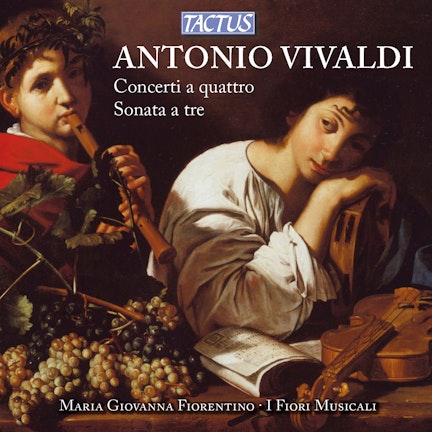
Vivaldi: Works for Flute & Recorder
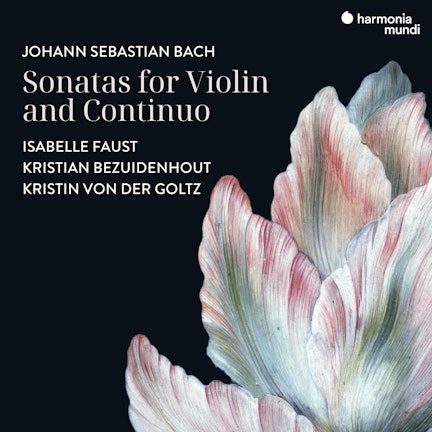
J. S. Bach: Sonatas for Violin and Continuo
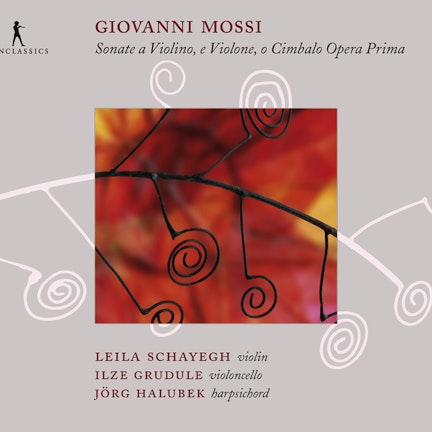
Mossi: Sonate Opera Prima a Violino e Violone, o Cimbalo