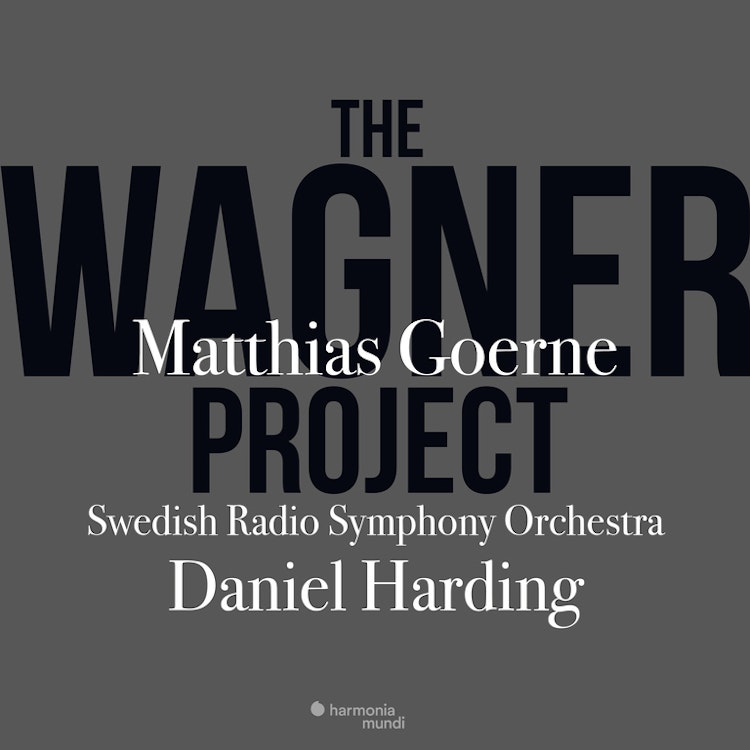
Wagner's 'Worttonsprache' (language of words and music) requires singers to have a new awareness of the text, with internal rhymes, assonances, and alliterations creating a rhythm that sometimes counteracts the melody.
Compositional Technique
In Wagner's works, virtuosity is found not in brilliant vocalizations, but in the endurance required by large forms, precise phrasing, and timbre quality.
Composer's Artistic Vision
Richard Wagner revolutionized 19th-century vocal music by moving away from Italian bel canto and accompanied melody towards a new form of recitative, where the text is embodied in the vocal line.
Composer's Artistic Vision
Wagner replaced traditional arias and ensembles with long monologues, allowing characters to express their stories and viewpoints, merging dramatic and epic art forms.
Compositional Technique
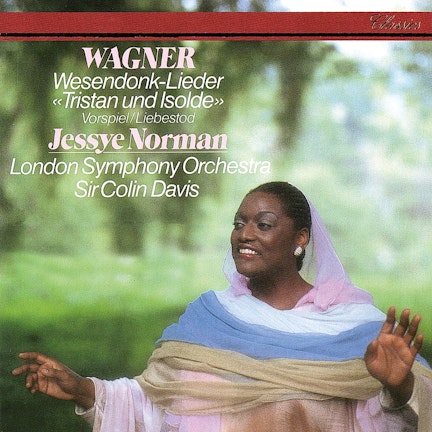
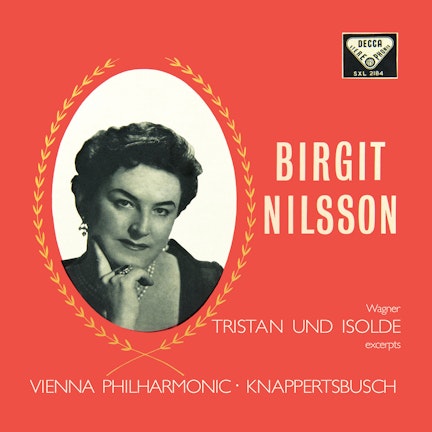
The association of chromaticism with pain is a constant in Wagner's music, appearing in both vocal and orchestral passages, such as the Prelude to Parsifal and Isolde's 'Liebestod'.
Compositional Technique
In Wagner's operas, the orchestra is not just a support for the voice; it envelops the singer with interwoven motifs, sometimes even taking the principal melody.
You might also enjoy...
Wagner: Tristan und Isolde, WWV 90 – Excerpt
Wagner: Tristan und Isolde (Highlights)
Anton Bruckner: Symphony No. 3 "Wagner" - Richard Wagner: Parsifal (Kundry's Aria), Tristan und Isolde (Prelude & Liebestod)