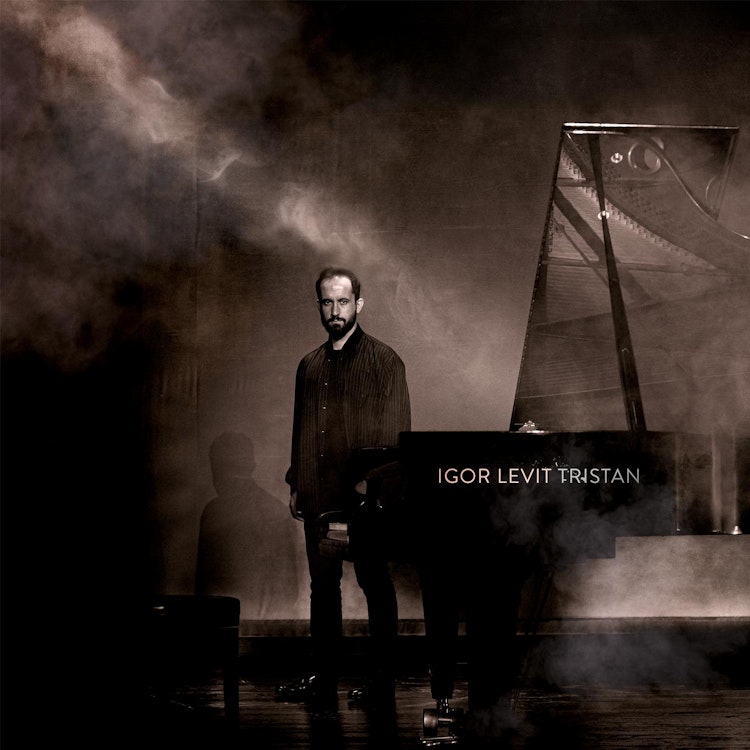
This album features recordings from two different locations: Berlin's Philharmonie Kammermusiksaal for the works by Liszt, Wagner, and Mahler, and Leipzig's Gewandhaus for the Henze piece.
Composer's Artistic Vision
The composers Wagner, Mahler, and Henze are united by their determination to transform their desires and experiences of unhappiness into musical forms, using original compositional resources to create distinctive narratives.
Composition History
Hans Werner Henze's Tristan was influenced by contemporary tragedies, including the death of Salvador Allende, the poet W. H. Auden, and his friend Ingeborg Bachmann, leading to an orchestral 'scream of death' in the work.
Compositional Technique
Hans Werner Henze's Tristan incorporates musical quotations from other composers, such as the opening of Brahms's First Symphony, Chopin's Funeral March, and Mahlerian scherzos.
Album & Artwork
The album title, "Singen, Klagen, Schreien" (Singing, Lamenting, Screaming), and its English subtitle, "Igor Levit Plays Songs of Love and Death," reflect the album's thematic focus on love and death.
Composer's Artistic Vision
Hans Werner Henze, a Marxist composer, dreamt of a free society where beauty could unfold in new ways, and he considered his Tristan work to embody his most intimate and personal questioning.
Composer Biography
Gustav Mahler's Adagio from his Tenth Symphony was composed during a period of intense personal crisis, triggered by the discovery of his wife Alma's affair.
You might also enjoy...
Bach (Transcribed by Kurtág) & Bartók: Monument
Mordecai Shehori Plays Schumann & Liszt
Wagner - Liszt
Vocalise
The Innermost Side - Unfold
Schmachtend: A Tribute to Richard Wagner
Liszt & Wagner: Piano Works
Franck: Piano Rarities - Original Works & Transcriptions