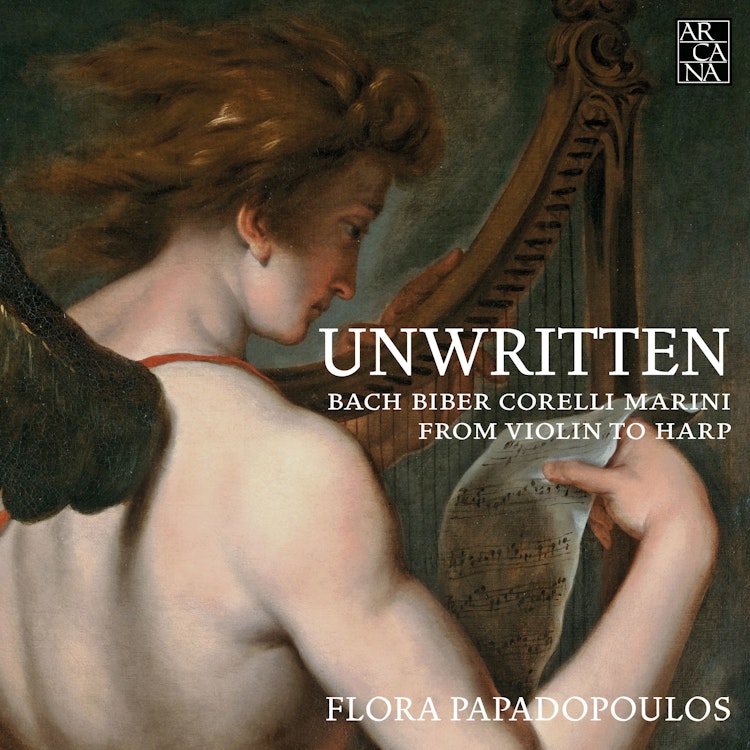
The Italian harp tradition, which flourished in the early 17th century, later migrated across the Alps, with Italian harpists working in German courts and spreading the use of multiple-strung harps.
Interpretation
The performer's approach to transcribing violin music for the harp was inspired by historical transcriptions of works by Bach and Corelli, as well as the few existing pieces for solo harp.
Instruments
The album features a 'doppia arpa a tre ordini' (double harp with three rows of strings) crafted by Dario Pontiggia in 2010, modeled after the historic Barberini Harp in Rome.
Interpretation
Flora Papadopoulos, the performer on this album, transcribed and adapted all the pieces for the harp, drawing from violin repertoire to recreate a lost past for the instrument.
Historical Context
In the 17th and 18th centuries, music often passed easily between instruments, and the harp frequently borrowed repertoire from instruments like the lute and spinet due to their similar polyphonic nature.
Historical Context
During the Baroque era, there were very few solo pieces written specifically for the harp, leading to a 'lost repertoire' that performers must now recreate.
Compositional Technique
For Bach's First Sonata, the performer transposed the piece down a fourth to D minor to better utilize all registers of the harp, and drew inspiration from organ and lute versions for the Fugue.
You might also enjoy...
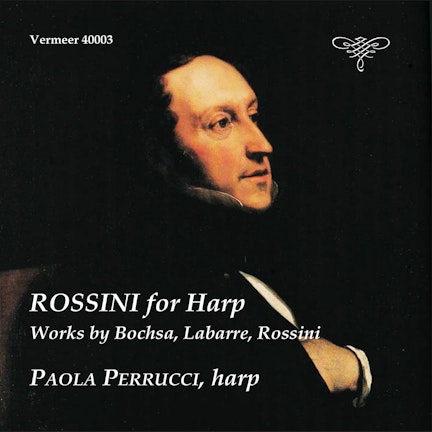
Rossini for Harp: Works by Bochsa, Labarre, Rossini
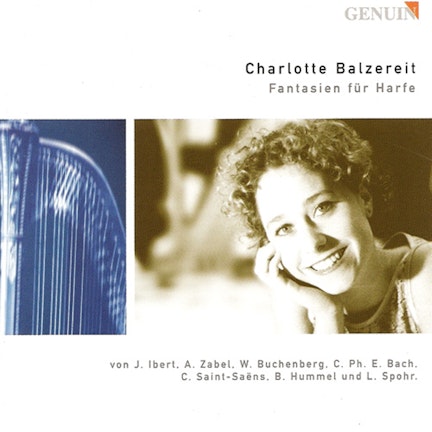
Balzereit, Charlotte: Fantasien fur Harfe
Harp Recital: Sellmann, Volker - Bach, J.S. / Handel, G.F. / Grandjany, M. / Kirchhoff, G. / Loeillet, J.-B. / Charpentier, L. / Pescetti, G.B.
De Marin: 3 Sonatas, Op. 15
Changes
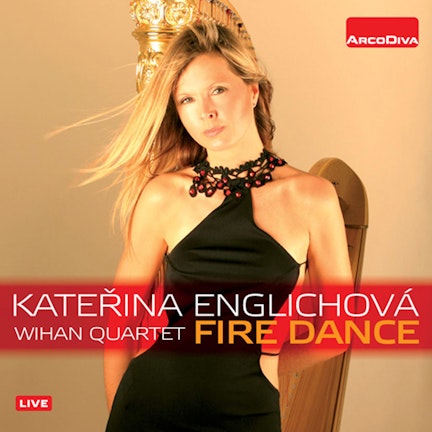
Fire Dance
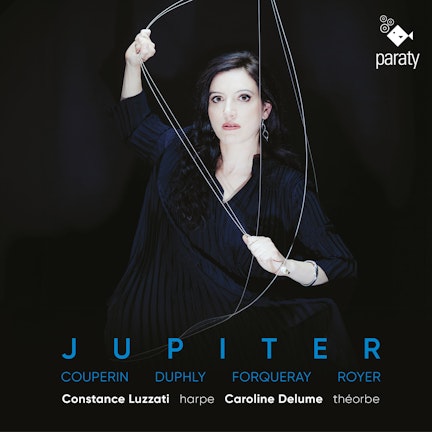
Jupiter
Dvorak / Bach / Satie: Dances for 2 Harps
Casella & Perrachio: Harp Music
Récital de harpe: Bach, Saint-Saëns, Fauré, Roussel...
Music For Harp
Harp Recital: Bennett, Elinor - Zabel, A.H. / Hasselmans, A. / Glinka, M. / Thomas, J. / Mozart, W.A. / Zabel, A. / Saint Saens, C.
Chorégraphie - Music for Louis XIV's dancing masters