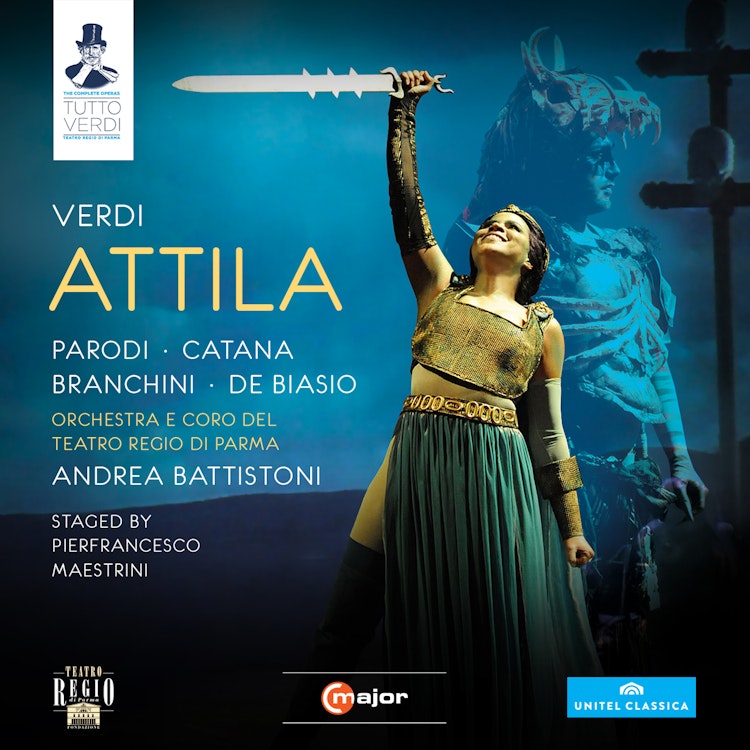
Verdi was particularly interested in the use of light and darkness in "Attila," often placing references to them in stage directions rather than the sung text.
Composition History
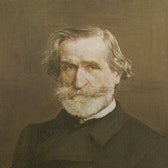
Giuseppe Verdi was commissioned to write "Attila" for La Fenice in Venice after the success of his previous opera, "Ernani."
Historical Context
The premiere of "Attila" saw its lead soprano, Sophia Loewe, begin an affair with an Austrian commander who later suppressed Italian uprisings and married her.
Critical Reception
"Attila" was hugely successful at La Fenice, partly because the opera's depiction of Aquileia's capture by Huns resonated with Venice's founding myth.
Compositional Technique
A high point in Verdi's score for "Attila" is a spectacular sunrise in the Prologue, featuring a nearly three-and-a-half-minute pedal point culminating in a fortissimo orchestral entry.
Composer's Artistic Vision
For "Attila," Verdi sent a friend to the Vatican to report on the colors of the clothes in Raphael's fresco depicting Attila's encounter with Pope Leo the Great.
Composition History
Verdi initially assigned the libretto for "Attila" to Francesco Maria Piave, then to Temistocle Solera (librettist for "Nabucco"), before returning to Piave.