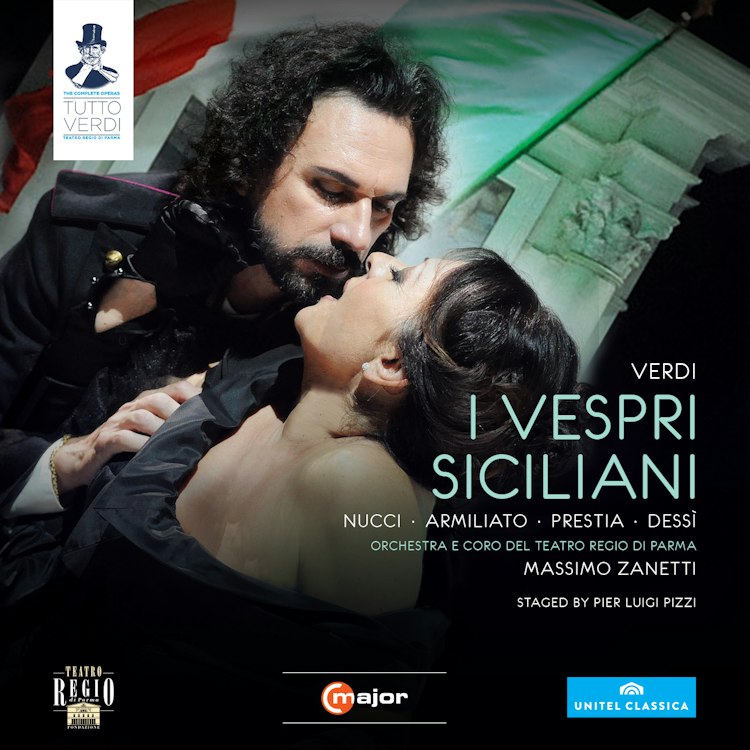
The libretto for "I Vespri Siciliani" was an existing work, "Le Duc d'Albe," which Donizetti had started to set to music in 1839 but left unused.
Compositional Technique
Verdi incorporated French verse rhythms, like the anapaestic rhythm and the alexandrine, into the score to create novel melodic solutions not found in Italian poetry.
Composition History
Verdi aimed to establish himself as a leading exponent of French grand opera with a new work in French, leading to the creation of "I Vespri Siciliani."
Historical Context
The opera's setting, the 1282 uprising in Palermo against French oppressors, was viewed in Italy as a model for the contemporary struggle for Italian independence.
Critical Reception
The original French version, "Les Vêpres siciliennes," was not successful in Italy, and an Italian translation, "I Vespri siciliani," premiered in 1861 and is generally preferred today for its singability.
Composer's Artistic Vision
Verdi used the historical setting primarily as a backdrop for complex personal relationships, which he considered more important than the political processes.