Italian opera composers, including Verdi, often reluctantly submitted to the French preference for extensive dance interludes, finding it difficult to create ballet music closely linked to the opera's plot.
Composition History
In 19th-century Italian operas, ballets were usually separate works by ballet composers, performed between acts or after the opera, with little connection to the main operatic work.
Composer Biography
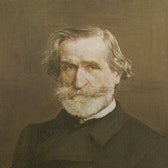
Giuseppe Verdi, like his Italian predecessors, faced the challenge of composing ballet music for the Paris Opéra, even though he initially had strong opinions against this convention.
Historical Context
The Paris Opéra had a strict convention requiring an extensive dance interlude, called a divertissement, to be included in the third act of a grand opéra.
Compositional Technique
Verdi gave new impetus to contemporary ballet music through catchy melodies, lively rhythms, chromatic effects, vivid gestures, and especially colorful orchestration in his dance compositions.
Cultural Impact
Verdi composed the most opera ballets for the Paris Opéra, creating seven divertissements between 1847 and 1894, and his work influenced outstanding ballet composers like Léo Delibes and Pyotr I. Tchaikovsky.
Recording & Production
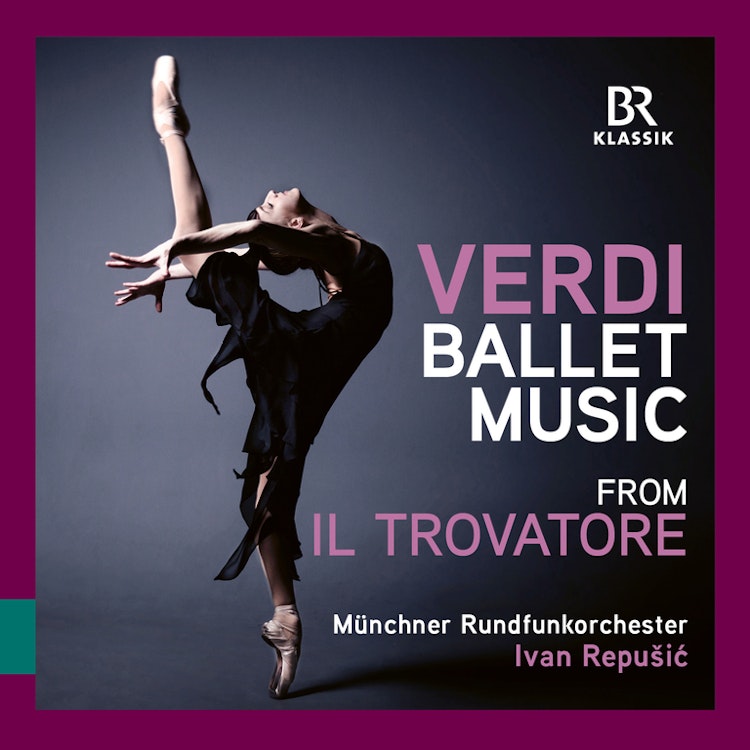
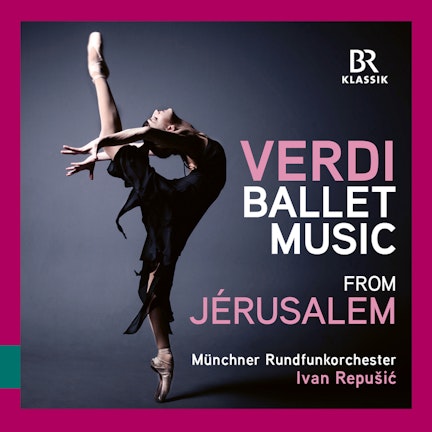
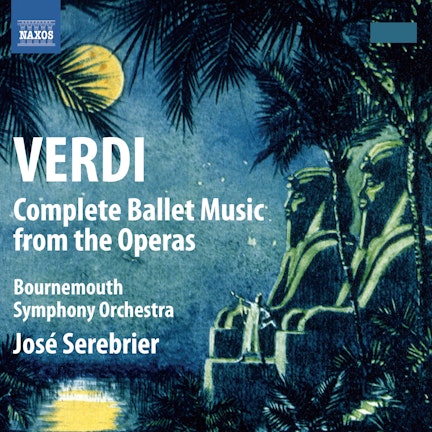
This album features ballet music from Verdi's operas, which for a long time were often omitted from productions but are now being revived and linked to the opera's dramaturgy.
You might also enjoy...
Janáček: The Excursion of Mr Brouček to the Moon, JW I/7, Pt. 1, Act 2: Mezihra
Verdi: Otello - Ballet Music
Verdi: Jerusalem - The complete Ballet Music
Wolf-Ferrari: Orchestral Works
Marschner: Overtures & Stage Music, Vol. 2
Verdi: Ballet Music
Verdi: Complete Ballet Music from the Operas
Verdi: Ballet Music; Leoni: The Prayer & The Sword