Villa-Lobos moved to Paris in 1923, which was then Europe's cultural center, finding an ideal home for his highly colored, rhythmically assured music amidst the vogue for African music, jazz, and the sounds of the East.
Composition History
Villa-Lobos found his new musical forms and language in the great series of Chôros (fourteen works, 1921-1929), where the imitation of true chôros music was just one element.
Composer Biography
After his father's death, Villa-Lobos avoided a medical career to play cello and guitar in Rio's ad hoc musical groups, known as chôros, performing in cafes, on street corners, and at parties.
Composer's Artistic Vision
Villa-Lobos traveled Brazil, absorbing musical influences from Portuguese, African, and Amerindian ethnic strands, realizing this "glorious aural amalgam" could revitalize Brazilian concert music.
Composer Biography
Heitor Villa-Lobos, born in Rio de Janeiro in 1887, is the most celebrated Brazilian composer of all time due to his immense output and colorful, accessible musical language.
Composer's Artistic Vision
The word "chôros" for Villa-Lobos was a broad generic title implying a spiritual concept, actual technique, and form, aiming to depict all aspects of Brazilian life.
Composer's Artistic Vision
Villa-Lobos's music helped free Brazilian art music from European late-Romanticism by richly typifying the diverse Brazilian scene with its abundance, originality, and vitality.
You might also enjoy...
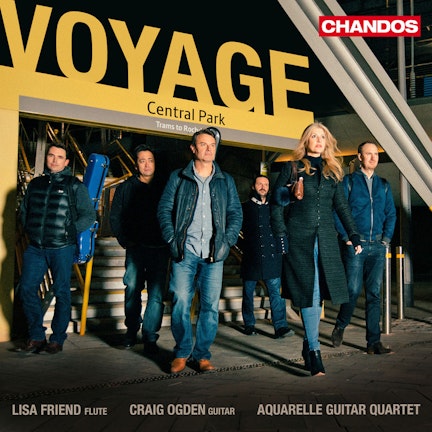
Voyage
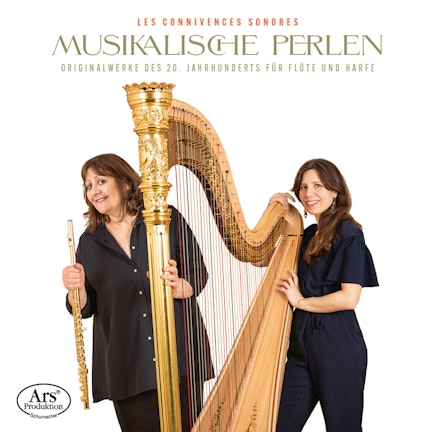
Musikalische Perlen
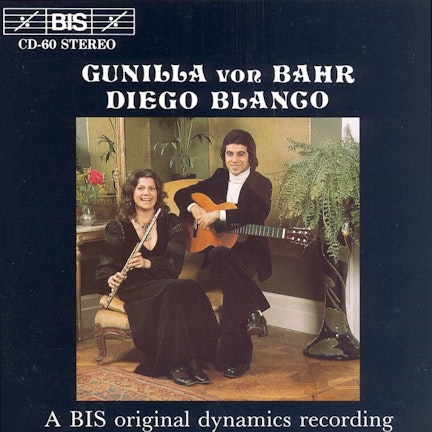
Music for Flute And Guitar
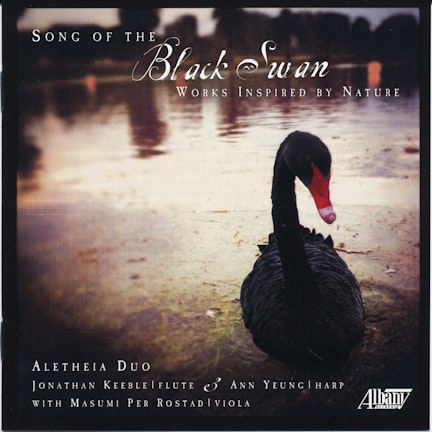
Song of the Black Swan
Carnaval de Venise
Zheng Tu: A Contemporary Voice on the Ancient Chinese Zheng
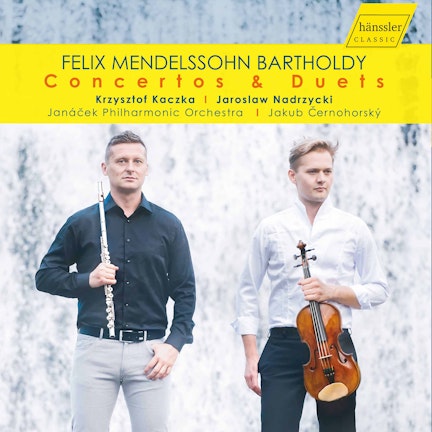
Mendelssohn: Concertos & Duets
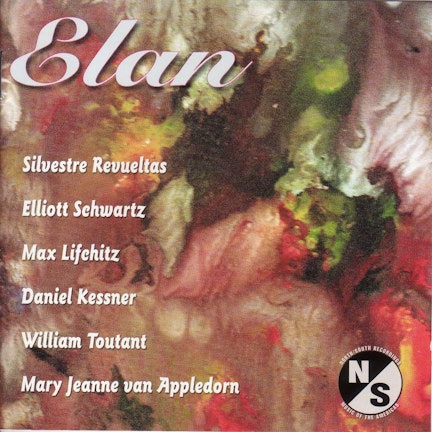
Lifchitz, M.: 3 Songs / Revueltas, S.: 5 Canciones Para Ninos / Appledorn, M.J. Van: Passages I and Ii / Kessner, D.: 2 Visions
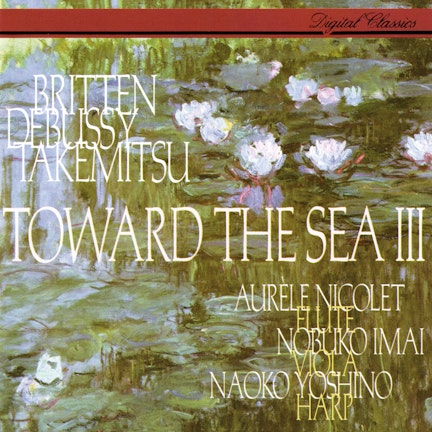
Takemitsu: Toward the Sea III / Debussy: Sonata for Flute, Viola & Harp / Britten: Lachrymae / Honegger: Petite Suite / Denisov: Duo
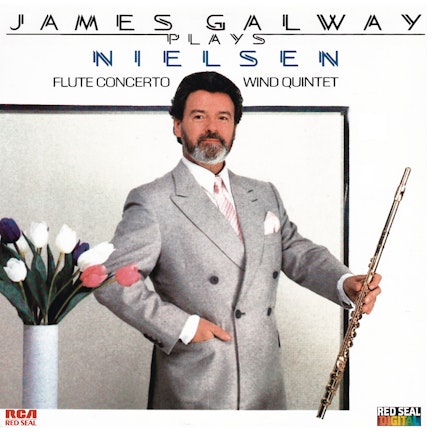
James Galway Plays Nielsen
Come Heavy Sleep
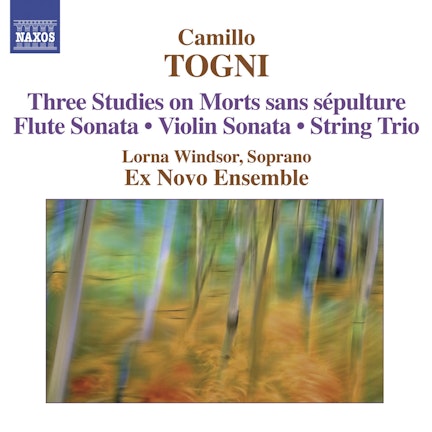
Togni, C.: 3 Studies On Morts Sans Sepulture / Flute Sonata / Violin Sonata / String Trio (Ex Novo Ensemble)