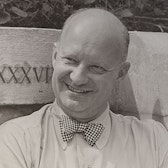
Webern's Five Pieces, Op. 5, were initially met with laughter by audiences at their premiere in Vienna in 1910 and again at an ISCM concert in Salzburg in 1922.
Composition History
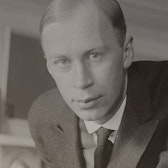
Sergei Prokofiev's Visions fugitives, Op. 22, were originally conceived as a set of twenty piano miniatures, with inspiration for some pieces re-awakened by the February 1917 Revolution.
Composition History
The album's program spans from the years before World War I to mere days before the outbreak of World War II, reflecting a tumultuous period in history.
Performer Biography
Rudolf Barshai, a Russian violist, transcribed Prokofiev's Visions fugitives for string orchestra and was also famous for his transcription of Shostakovich's String Quartet No. 8.
Composition History
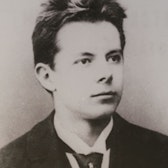
Béla Bartók composed his Divertimento for string orchestra in a mere 15 days in August 1939, making it his last orchestral work written in Europe before World War II.
Compositional Technique
Anton Webern, a composer featured on this album, moved towards extreme brevity and concision in his works, with some movements lasting only a few bars.
Composer's Artistic Vision
Webern's Five Pieces, Op. 5, were inspired by a quotation from the 17th-century mystic Jacobus Boehme, suggesting a new musical idiom to express inner feelings and a connection to nature.