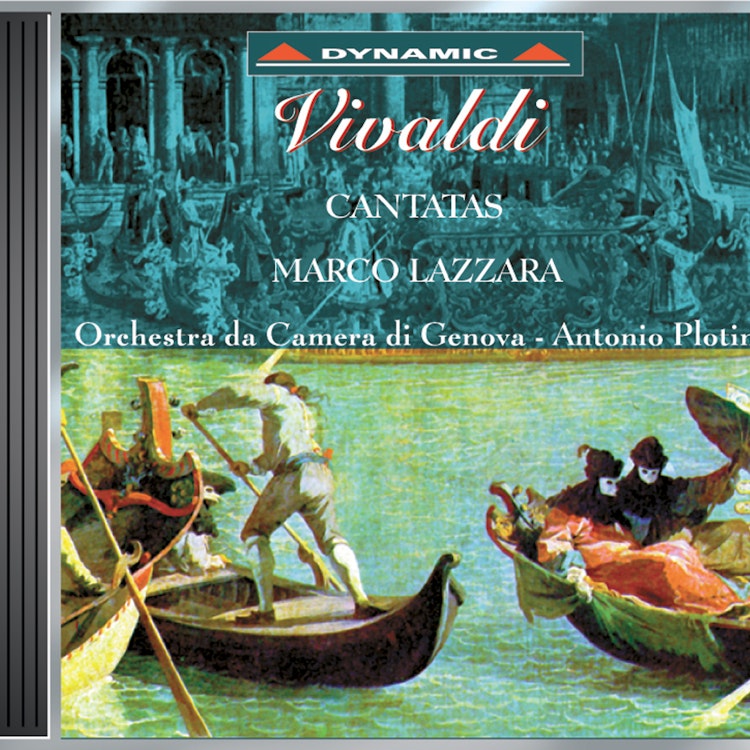
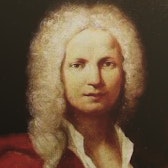
Antonio Vivaldi, born in Venice in 1678, dedicated most of his creative energy to instrumental music and melodrama, but also left an enduring mark on the cantata genre.
Instruments
The Orchestra da Camera di Genova features several notable instruments, including a 1742 Guadagnini violin played by Giulio Franzetti and an 18th-century Camillo Camilli violin played by Mario Trabucco.
Performer Biography
Marco Lazzara, the alto on this recording, has a solid technical training, having completed diplomas in piano, organ, and harpsichord before turning to singing.
Composition History
Vivaldi composed a total of 30 cantatas for voice and basso continuo (22 for soprano, 8 for alto) and 9 for voice and instrumental accompaniment (5 for soprano, 4 for alto).
Performer Biography
Marco Lazzara is known for interpreting a wide range of music beyond Baroque, including works from later centuries and even advertising jingles.
Historical Context
The cantata genre began to flourish around 1620, shortly after the first melodramas, eventually replacing the madrigal and developing a defined structure by the late 17th century.
Composer's Artistic Vision
Vivaldi's cantatas often transcend the mediocrity of their poetic texts and the occasional nature of their composition, resulting in effective and expressive music.
You might also enjoy...
Hasse: Complete Solo Cantatas, Vol. 1
Mes classiques
O barbaro amore
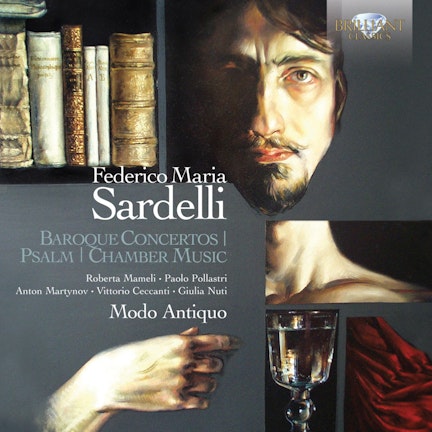
Sardelli: Baroque Concertos, Psalm, Chamber Music
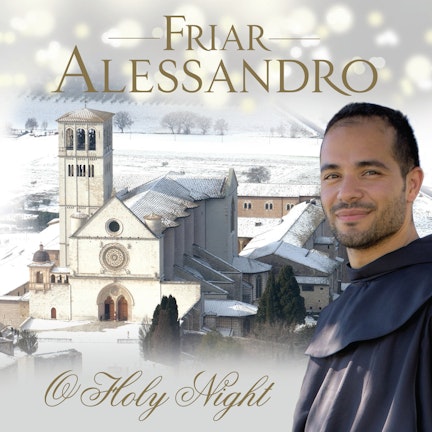
Friar Alessandro: O Holy Night
Strauss For Ever
Giulio Cesare: A Baroque Hero
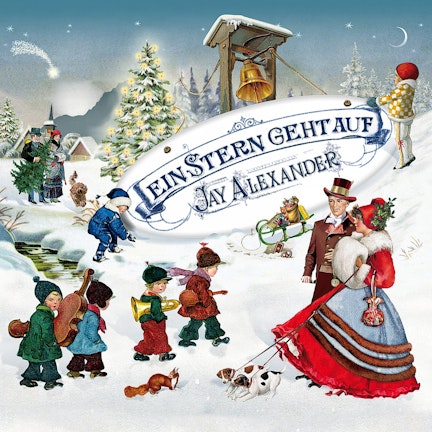
Ein Stern geht auf
The Bell Telephone Hour Recordings, Vol. 2: Concertos by Corelli, Dvořák & Others (Live) [Remastered 2022]