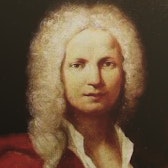
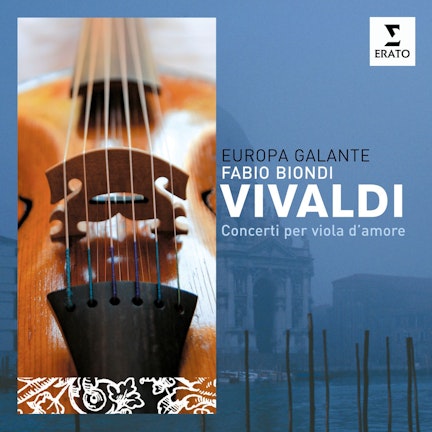
Vivaldi, the composer of these concertos, is described as having a profound sense of the harmony between beings and nature, always aiming to bring out the beauty of colors and the versatility of instruments.
Composition History
Vivaldi composed around fifty double concertos and another fifty for three or more soloists, demonstrating his ease with combining multiple soloists, a form often considered tricky and rare by others.
Compositional Technique
The ritornello is considered a key element of Vivaldian concertante form, and Vivaldi even composed pieces for orchestra alone, like Concerto RV 127, to train and showcase the ensemble qualities of his orchestra at La Pietà.
Compositional Technique
Vivaldi often used fugue or fugato in the ritornellos of his double concertos to emphasize layers of sound, as seen in Concerto RV 510, known for its concision and furious conclusion.
Historical Context
At the Ospedale della Pietà in Venice, where Vivaldi taught violin, the girls would engage in playful musical competitions, especially in duets, to showcase their skill and natural abilities.
Compositional Technique
Vivaldi's double concertos often feature soloists who engage in a joust-like interplay, sometimes competing with each other, but also blending in combinations of arpeggios, countermelodies, or rhythmic superimpositions.
Compositional Technique
Vivaldi's double concertos sometimes feature quantitative imbalances, where one soloist's part is more developed or virtuosic than the other's, or even where other instruments intrude on the soloists' limelight.
You might also enjoy...
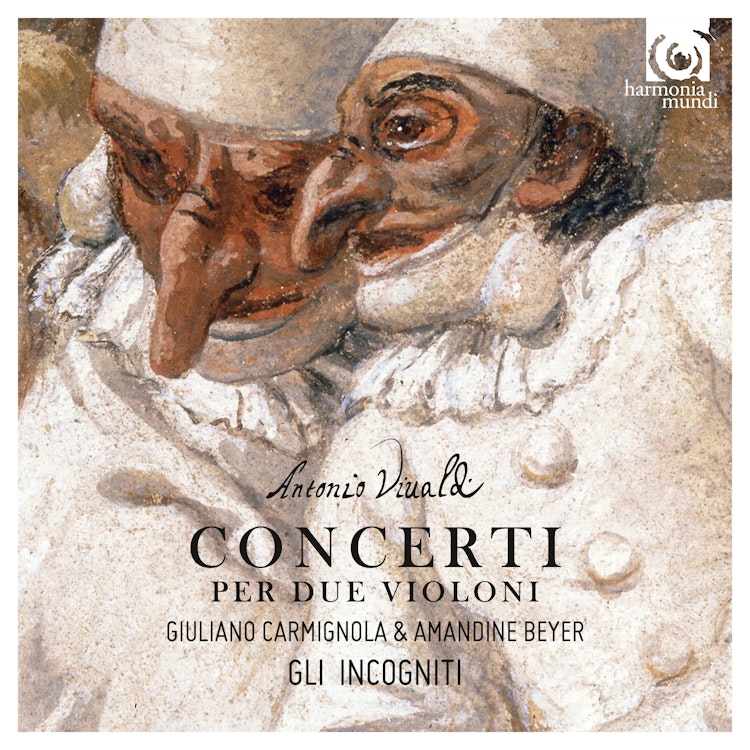
Vivaldi x2
Vivaldi: Concertos for 2 Violins
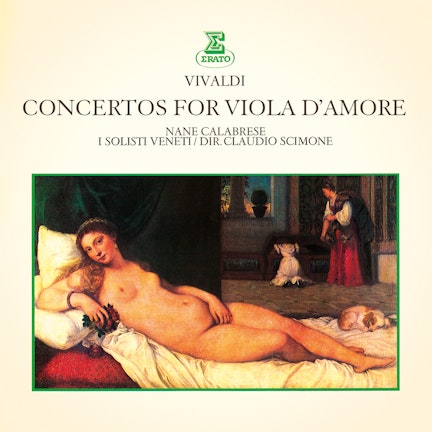
Vivaldi: Viola d'amore Concertos
Vivaldi: Concerti per viola d'amore
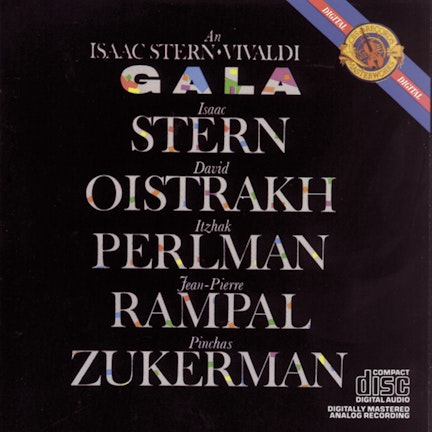
An Isaac Stern Vivaldi Gala
Vivaldi: The Four Seasons; Violin Concertos RV. 522, 565, 516