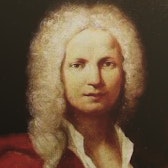
Antonio Vivaldi, though ordained as a priest, was more drawn to music and successfully persuaded his superiors that a 'tightness in the chest' prevented him from performing his priestly duties.
Compositional Technique
Vivaldi's L'Estro armonico, Op.3, ensures an ideal transition between the concerto grosso of the turn of the century and the modern solo concerto.
Historical Context
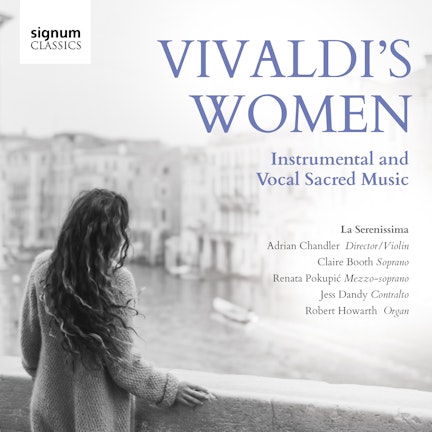
Vivaldi spent about twenty years of his life, either fully or partially, dedicated to the Ospedale della Pietà, one of four Venetian institutions providing charity and high-level musical education to orphaned girls.
Historical Context
The orphaned girls at the Ospedali, who were instrumentalists or singers, performed behind screens on raised galleries to preserve their modesty and avoid arousing 'profane desires' among the congregation.
Composition History
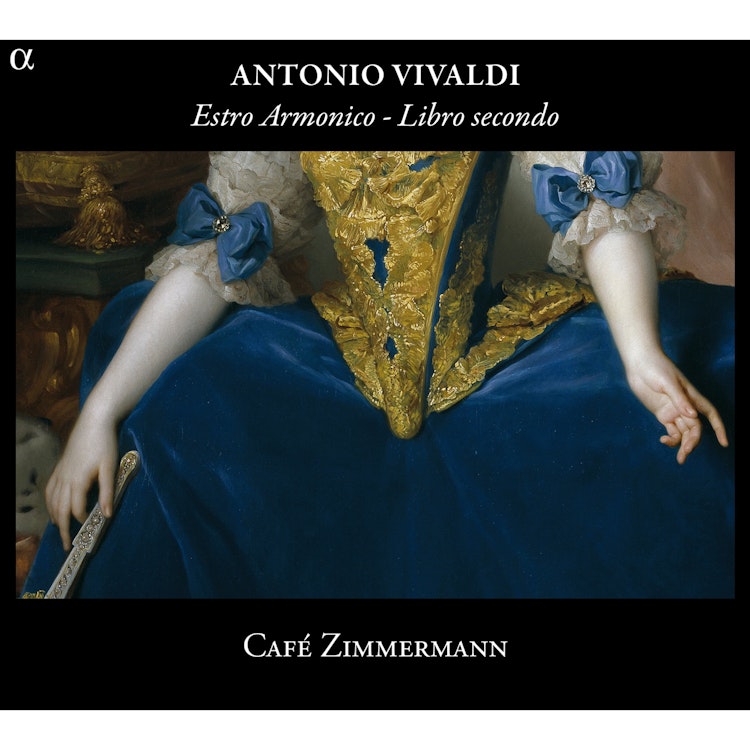
Vivaldi's first collection of concertos, L'Estro armonico, published in 1711, was a masterstroke that secured his European fame.
Instruments
Giovanni Battista Guadagnini, a self-taught luthier born in 1711, is considered an important successor to Antonio Stradivari and Giuseppe Guarneri de Gesù.
Cultural Impact
Johann Sebastian Bach, one of Vivaldi's first admirers, transposed several concertos from L'Estro armonico for solo harpsichord, organ, and even four harpsichords.
You might also enjoy...
Vivaldi II
Vivaldi: Double Concertos
Vivaldi: Double Concertos
Vivaldi: L'Estro Armonico ; 6 Flute Concertos
Il cimento/L'estro armonico
Vivaldi: Best Loved Concerti
Vivaldi: Four Seasons - Concertos
Vivaldi: Concertos
Vivaldi: Opera III "L'Estro Armonico" - concerti 7/12