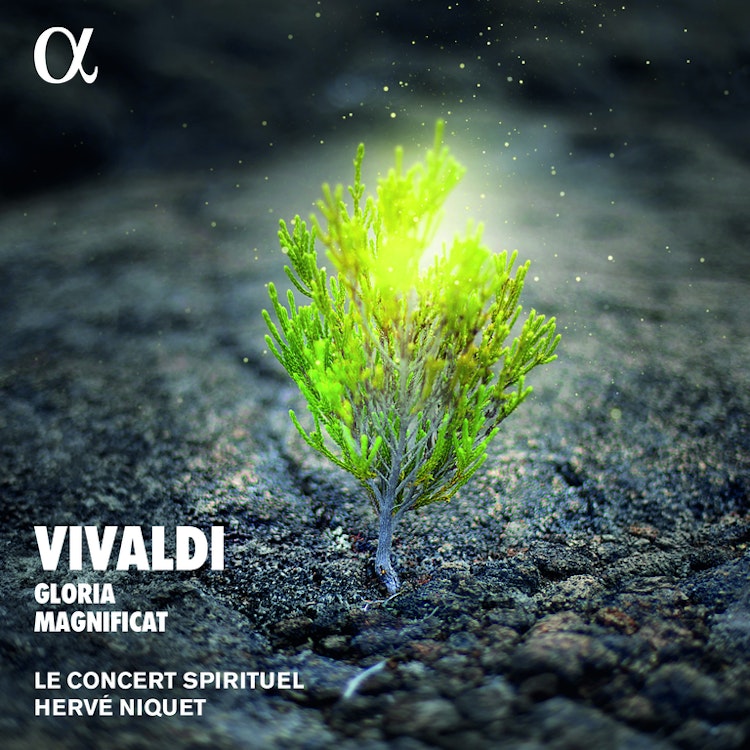
Vivaldi's Gloria in D major, RV 589, considered an 'emblematic' sacred vocal work, was introduced to modern audiences by Alfredo Casella in 1939.
Recording & Production
This album was recorded on June 8-9, 2015, at Notre-Dame du Liban Church in Paris, France.
Composer's Artistic Vision
Vivaldi harbored an ambition from a young age to be a 'universal' composer, excelling in as many musical domains as possible.
Composition History
Vivaldi's first regular opportunity to write sacred vocal music came in 1713 when he became acting choirmaster at the Ospedale della Pietà, a residential home for foundlings in Venice.
Historical Context
The Ospedale della Pietà, where Vivaldi worked, maintained a choir and orchestra composed entirely of girls and women, as a mixed ensemble was socially and religiously unacceptable at the time.
Composer Biography
Unlike most composers of vocal music from established bourgeois backgrounds, Vivaldi's father was a humble barber who became a violinist.
Compositional Technique
To accommodate female singers in four-part choral writing, Vivaldi's tenor parts were kept high, and bass singers could perform at written pitch or an octave higher in the contralto register, with bass instruments doubling the vocal parts.