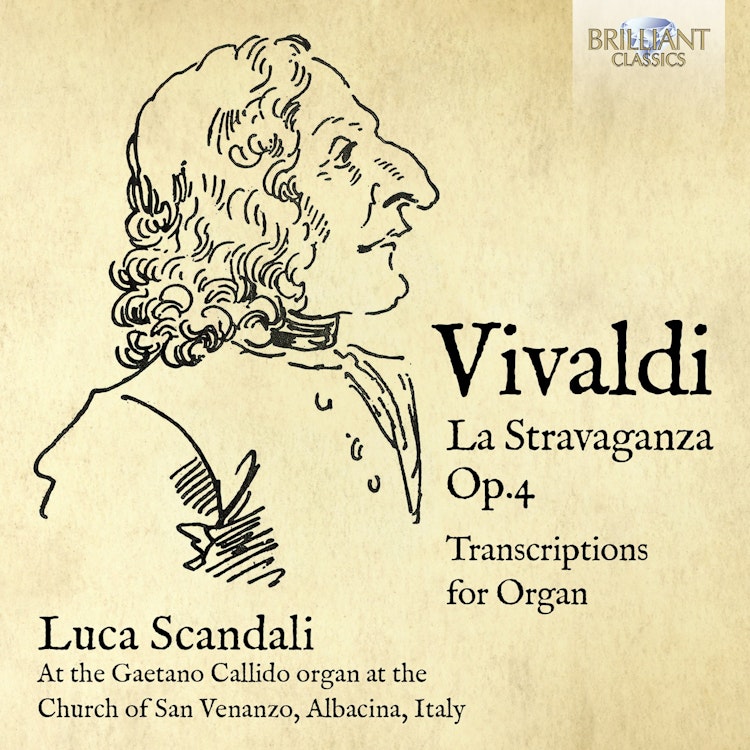
Vivaldi: La Stravaganza, Op. 4, Transcriptions for Organ
3/1/2023, 20 Tracks, 1:04:21
Featuring
Luca Scandali
Antonio Vivaldi
Did you know?
1/7
Composer Biography
Antonio Vivaldi, though not inventing the concerto, significantly boosted the genre, making it the dominant instrumental form in the early 18th century.
Historical Context
Vivaldi's concertos spread across Europe via Amsterdam, a city known as the 'Venice of the north', due to publishers like Estienne Roger.
Compositional Technique
Vivaldi's 'extravagant' musical style included frequent asymmetry, inventive harmonic progression, rhythmic repetition, sudden theatrical breaks, and highly virtuosic solo parts.
Composition History
Vivaldi's Op. 4 collection, La Stravaganza, was published by Estienne Roger in Amsterdam around 1714 and is dedicated to Vettor Dolfin, a Venetian aristocrat and Vivaldi's pupil.
Cultural Impact
Ten of the twelve concertos transcribed for keyboard by Johann Sebastian Bach, a German composer, came from Vivaldi's L'Estro Armonico Op.3.
Composer's Artistic Vision
The title 'La Stravaganza' (meaning 'extravagance' or 'eccentricity') refers to the early Italian baroque style, which used eccentric features, trickery, and virtuosity to move audiences.
Instruments
The recording features a Gaetano Callido organ, Op.96, built in 1774 for the Church of San Venanzo in Albacina, Italy, and restored in 2014.
You might also enjoy...
Bach, J.S.: Organ Works – The Mono Cycle 1947 - 1952
Bach: Organ Works / The 1947 - 1952 Recordings
Soli Deo Gloria
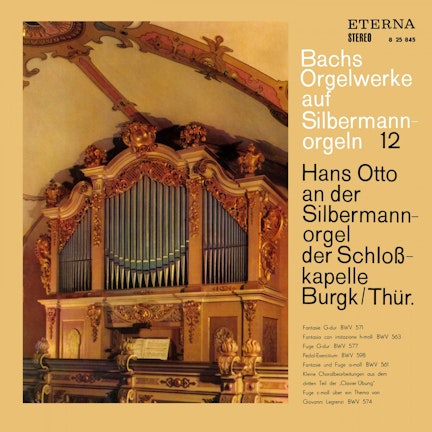
Bach: Orgelwerke auf Silbermannorgeln 12
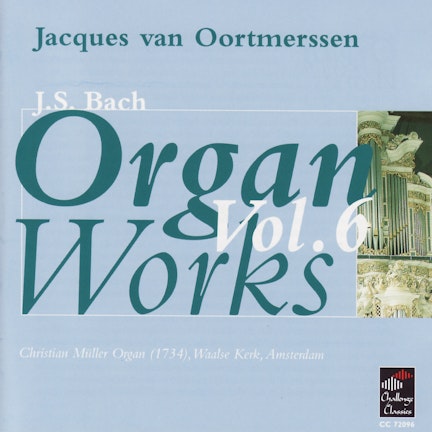
Bach: Organ Works Vol. 6
Merulo: Organ Music il primo libro de ricercari da cantare, a quattro oci
Johann Sebastian BACH | Andreas HILDEBRANDT organ in PASŁEK | Natalia ZANNI-LEWANDOWSKA
Bach: Leipzig Organ Works (1723-1750)
Van Noordt: Tabulatuurboeck van Psalmen en Fantasyen
'Ricercare: Bach in Lövstabruk
Frescobaldi: Toccate - Capricci - Fiori Musicali
Buxtehude: Organ Works BuxWV 137, 139-142, 145-146, 149,159-160, Passacaglia BuxWV 161
The Alexandra Palace Organ: Complete HMV Recordings